
Some roses just have a way of stopping you in your tracks, even if you have seen a thousand others.
Just Joey is definitely that kind of rose.
This apricot colored hybrid tea has been stealing the spotlight in gardens around the world since the 1970s and still gets folks talking today.
Known for its enormous ruffled blooms and mouthwatering scent, it is a cult favorite among rose enthusiasts, floral designers, and everyday gardeners.
But how does it perform in USDA Zones 6–9, and is it the best choice if you crave warm-toned roses that actually hold up through summer heat and chilly nights?
Apricot roses have really shot up in popularity, not just among collectors but with anyone looking for something a bit warmer and more unusual than classic pink or red.
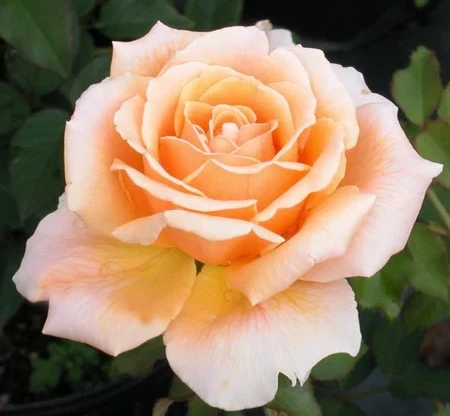
People often confuse apricot with orange or peach roses, but Just Joey’s blend is unique.
It is got coppery highlights and delicate changes in tone you would not find in a typical orange rose.
Add that fruity fragrance, massive flower size, and a solid reputation for repeat blooming, and you get why it remains a garden favorite decade after decade.
I have seen Just Joey in various climates and seen it perform from frosty Zone 6 springs to blazing hot Zone 9 afternoons.
In this deep-dive review, I’m laying out everything I have learned, from bloom color and fragrance to care tips, disease resistance, and how it compares with other popular warm toned hybrid teas.
Whether you are building a collection or searching for a reliable cut flower rose, this is the guide you’ll want before planting.
Table of Contents
- Quick Verdict
- Just Joey Rose at a Glance
- What Makes Just Joey Rose Special?
- Flower Color and Bloom Characteristics
- Fragrance Review
- Growing Just Joey Rose in USDA Hardiness Zones 6–9
- Soil Requirements
- Sunlight Requirements
- Water Requirements
- Fertilizing Just Joey
- Pruning Guide
- Disease Resistance
- Is Just Joey Good for Containers?
- Garden Design Ideas
- Best Companion Plants
- Pros and Cons
- Just Joey vs Other Warm Colored Roses
- Who Should Buy Just Joey Rose?
- Where to Buy Just Joey Rose
- Frequently Asked Questions
- Final Verdict
- Call to Action
Quick Verdict
Just Joey is a show stopping apricot hybrid tea rose with massive, ruffled, high centered blooms that glow in the garden and last days in a vase.
It thrives in USDA Zones 6–9, especially if you give it good sun, deep soil, and a regular care routine.
Best for folks looking for standout color, fragrance, and cut flowers; less ideal for super cold climates or totally neglectful gardeners.
Just Joey Rose Review Summary Category Score (1–5)
Overall Rating – 4.5
Flower Color – 5.0
Fragrance – 4.5
Bloom Size -5.0
Disease Resistance – 3.5
Repeat Bloom – 4.0
Heat Tolerance – 4.0
Cold Hardiness – 3.5
Container Suitability – 4.0
Cut Flower Rating – 5.0
Beginner Friendly – 4.0
Just Joey Rose at a Glance
Botanical Name -Rosa ‘Just Joey’
Rose Class – Hybrid Tea
Breeder – Roger Pawsey of Cants of Colchester
Introduction Year -1972 (UK)
Flower Color – Apricot copper with peachy undertones
Fragrance – Strong, fruity, sweet
Bloom Size – 6–7″ (enormous for hybrid teas)
Mature Height – 3 to 4 ft
Mature Spread – 2 to 3 ft
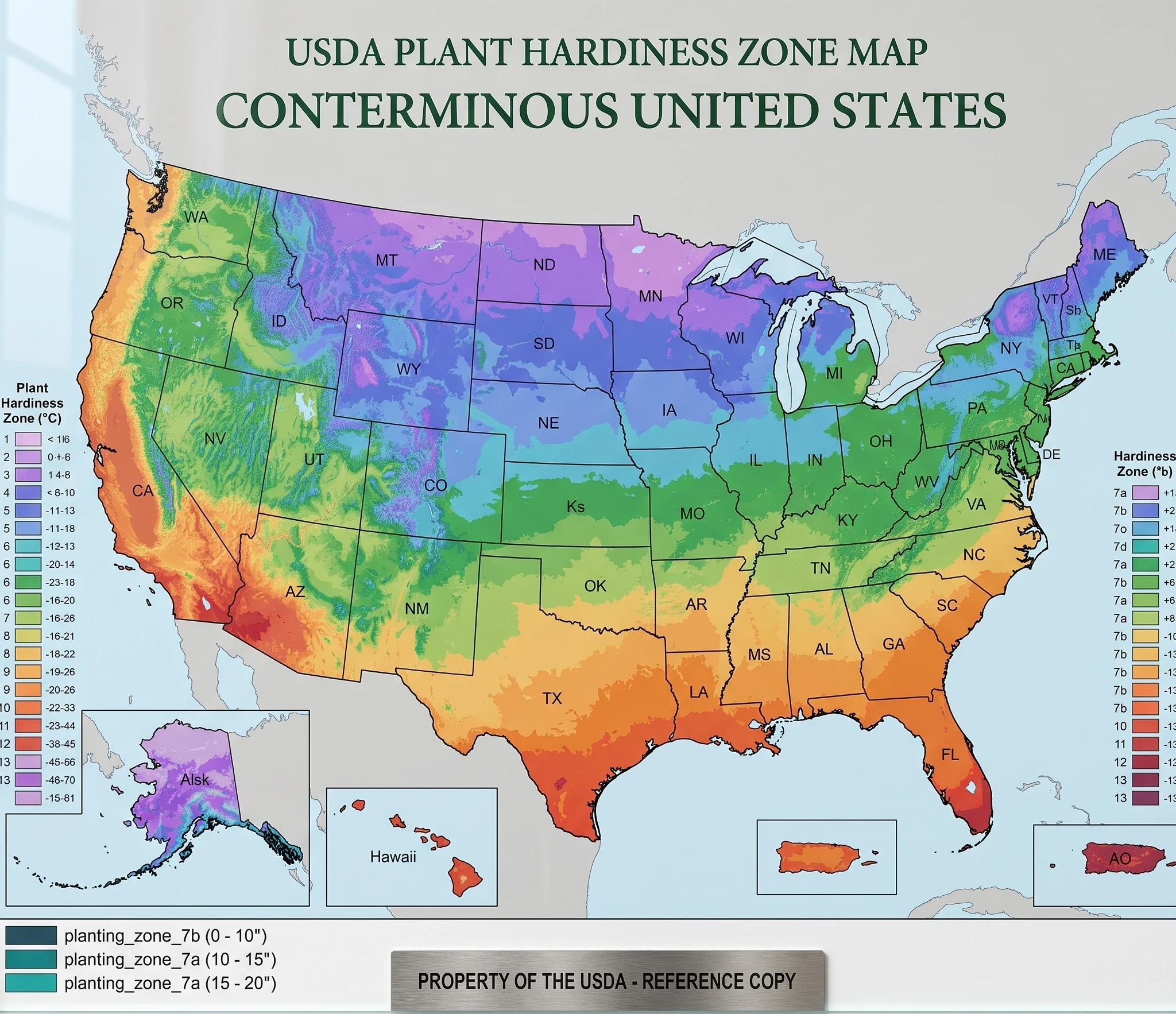
USDA Hardiness – Zones 6 to 9
Blooming Season -Late spring until frost
Growth Habit- Medium bushy shrub
Sun Requirements – Full sun (6+ hrs)
What Makes Just Joey Rose Special?
Just Joey is not your average tea rose.
Here is what gets me (and most rose fans) excited about this one:
- Huge, exhibition style blooms, easily 6″ wide, super full and ruffled
- Unique apricot petals flecked with soft copper and sometimes a hint of peach
- Sophisticated petal shape: big, loose, wavy petals for that “garden luxury” vibe
- A fruity, sweet fragrance that is present even at 6 feet away
- Long flowering period, late spring to fall with strong flushes
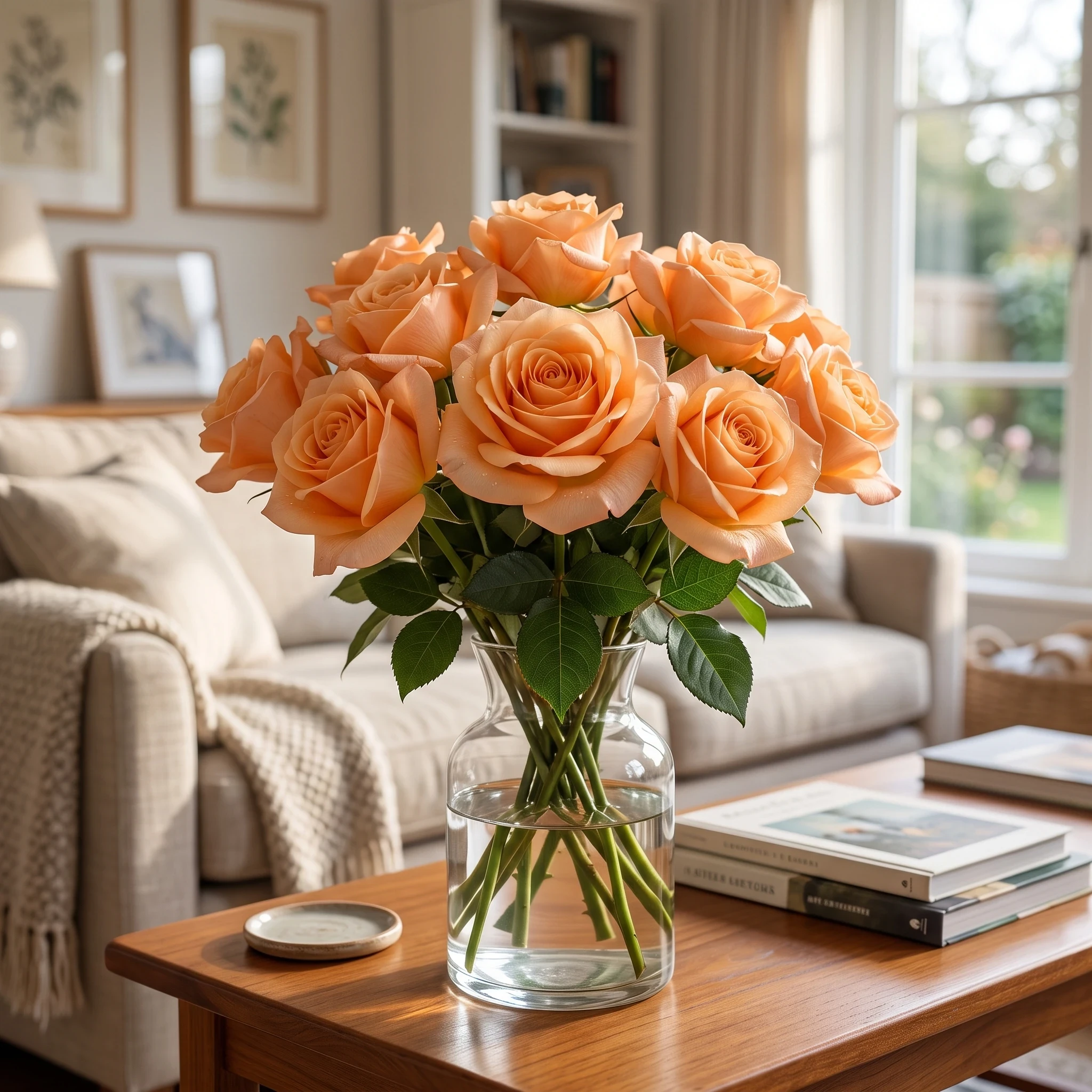
- Vase life is great, making it a top pick for floral arrangements
- Winner of countless international awards (including World’s Favourite Rose, 1994)
If you want an eye catching specimen for your border or a talking point for sunset gardens, Just Joey sets the bar high.
Flower Color and Bloom Characteristics
Bud Color:
Buds emerge as deep coppery apricot, sometimes with a blushy pink base.
Newly Opened Blooms:
The color is strongest right as the flower opens, with rich apricot and copper, and a velvety look. As petals unfurl, you get a light peachy highlight at the edge of each one.
Mature Flower Color:
As the bloom grows, the deep apricot softens to a warmer, paler shade. In cooler weather, blooms look richer; in summer heat, they lean more toward light apricot or pastel orange.
Seasonal Color Changes:
Spring and fall blooms show the best color, with lots of coppery depth. In peak summer, the color lightens and the blooms can look almost pastel.
Temperature Effects:
Heat tends to mute the color. If you live in a hot climate, morning and late season blooms are often the most vibrant.
Bloom Size:
Blooms regularly hit 6–7″ wide. That’s among the biggest in any hybrid tea I’ve grown.
Petal Count:
Roughly 25–35 petals per bloom (not super double, so blooms never look too heavy).
Flower Form:
Classic hybrid tea but with extra ruffling. Blooms are loosely high centered, then open out into a full, wavy edged, romantic display.
Vase Life:
Very good, blooms last about 5–7 days when cut at the “half open” stage.
Fragrance Review
Just Joey is known for a strong, sophisticated scent that combines fruity, sweet, and light citrus notes.
The fragrance smells a bit like ripe mango with a splash of tea and a hint of sweet vanilla.
I find the perfume best in the morning or evening, especially when blooms are half open.
Compared to Double Delight, Just Joey’s fragrance is fruitier and less spicy.
Perfume Factory is more perfume like (floral, powdery), while Just Joey stays on the warm, fruity side.
For sheer volume, it is up there, as most folks can smell it from several feet away on a still day.
Fragrance Rating: 4.5/5
Growing Just Joey Rose in USDA Hardiness Zones 6–9
USDA Zone 6
I have seen Just Joey survive winters here with the right help; think thick mulch, wind shelter, and sometimes a burlap wrap if cold snaps are expected.
Spring takes a bit longer to get started, but once going, the blooms still reach exhibition size.
Some minor dieback is normal after a tough winter, but nothing a good spring prune cannot fix.
USDA Zone 7
This is prime territory for Just Joey.
The combination of mild winters and long, warm summers equals loads of blooms and very little dieback.
Plant near a wall for extra warmth and wind protection in winter, and expect a flushy, showy performer.
USDA Zone 8
Bloom production is even better, often 3–4 rounds of flowers between late April and first frost.
Just Joey does like morning sun and a break from harsh afternoon rays in peak summer.
Mulching and deep watering make a big difference when summer heat arrives.
USDA Zone 9
Just Joey can absolutely thrive here, but flowers may pale in the hottest months.
Afternoon shade helps keep color strong and petals from sunburn.
Watch soil moisture closely, as summer drought and reflected heat from walls or paving can cause crispy leaves or slow blooming.
Soil Requirements
- Well drained soil is super important; do not let roots sit in soggy spots.
- Add organic matter: compost, leaf mold, or aged manure make for rich, “fluffy” soil that roses love.
- Aim for a soil pH between 6.0 and 6.5 (slightly acidic to neutral).
- Mulch over roots with 2–3″ bark or compost each spring to hold water and keep roots cool.
- A deep, wide planting hole (twice the size of the roots) prepped with compost gets newly planted bushes off to a strong start.
Sunlight Requirements
Just Joey produces the most (and biggest) flowers with 6+ hours of direct sunlight per day.
In Zones 8 and 9, I get the best colors and least stress when plants get morning to midday sun and a bit of afternoon shade.
Full sun all day is okay in cooler climates, but in hot areas, light shade after 2 pm keeps the blooms from bleaching or cooking.
Too much shade leads to fewer and smaller flowers, with plants prone to mildew or leggy growth.
Water Requirements
- New plants: Water deeply 2–3 times weekly for the first couple months (soak the root zone, not just the surface).
- Established plants: Deep soak weekly, adjusting to 2x per week during heat waves or drought.
- Drip irrigation or a slow soaker hose works best.
- Roses are more drought tolerant as they mature, but big blooms need consistent moisture, so don’t let them dry out completely.
Fertilizing Just Joey
Just Joey is a pretty heavy feeder if you want lots of blooms.
My routine looks like this:
- Early spring: General rose fertilizer or compost when buds swell
- Late spring: Balanced organic fertilizer with micronutrients
- Midsummer: Quick acting liquid feed or seaweed tonic
- Stop feeding about 8 weeks before first frost to avoid tender new growth being damaged by cold
If you are using granular fertilizer, rake it into the top 2″ of soil, water in well, and mulch over for best results.
Regular organic feeding gives a deeper flower color and sturdier plants.
Pruning Guide
- An annual hard prune in very early spring (when the forsythia bloom) encourages new, vigorous canes
- Deadheading (removing spent blooms) helps trigger more flower production
- Snip blooms with a long stem for vases; cut just above a five leaflet set facing outward, which helps shape the bush
- Winter pruning: Remove damaged or dead canes, shape plant as needed, and reduce risk of disease
Disease Resistance
Just Joey falls in the “average” range for disease resistance, based on years of growing and chatting with other rose garden folks.
- Black spot: Can be an issue during wet springs or humid summers, especially in crowded spots. Good air circulation really helps. Weekly sprays with neem oil or an organic fungicide can prevent the worst outbreaks.
- Powdery mildew: Not immune but rarely gets a big outbreak unless plants are shaded or water stressed.
- Rust: Very rare on well tended Just Joey plants, especially in the U.S.
Clean up dead leaves in fall, do not water overhead, and space plants so the air can move.
Sticky spots on leaves sometimes show up but can usually be washed off with a quick blast from the hose.
Is Just Joey Good for Containers?
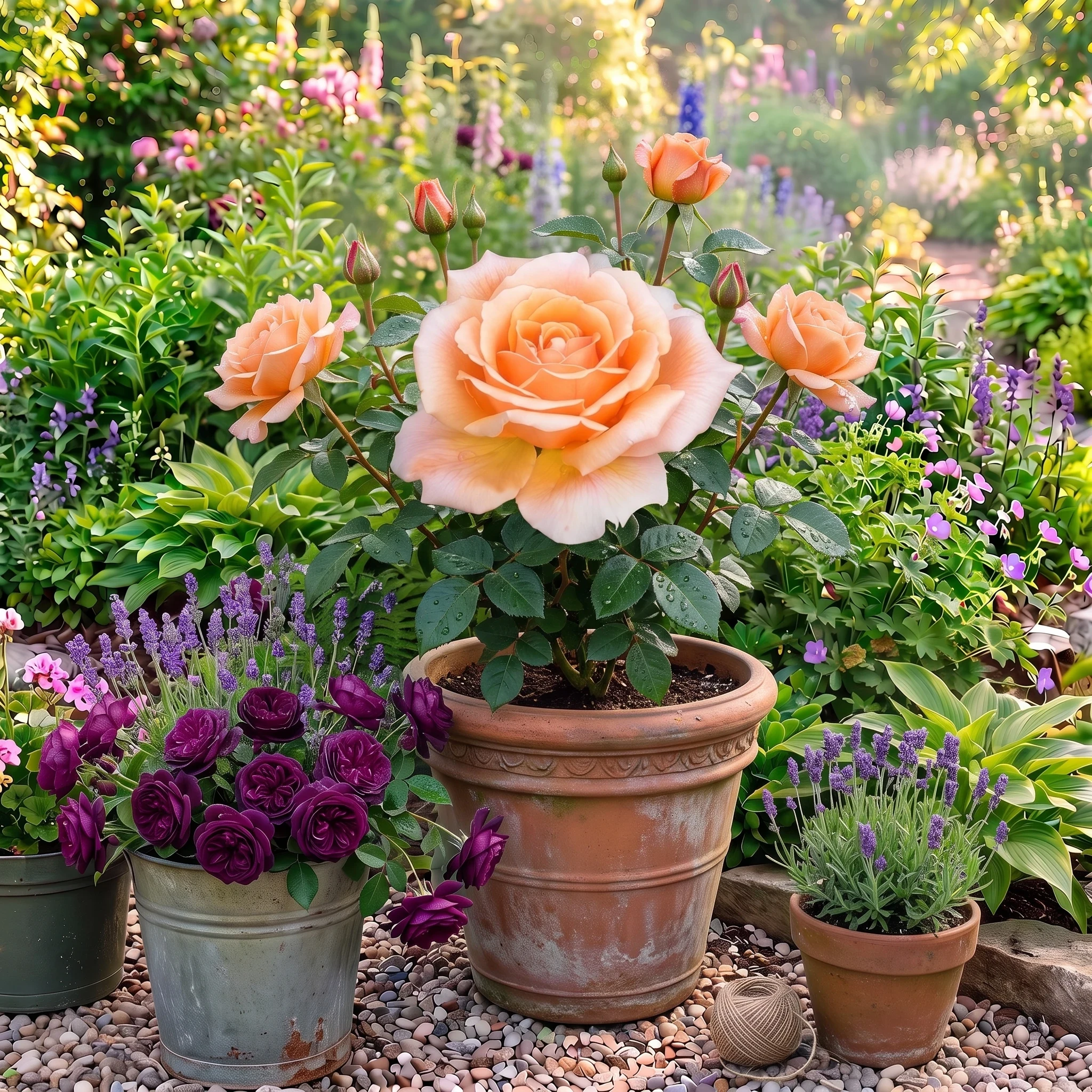
Just Joey can do well in a pot, as long as the pot is big enough (think 16–20 inches wide and deep).
A commercial rose or citrus mix or a blend of quality potting soil, compost, and perlite helps drainage.
Containers dry faster, so they will need more regular watering, especially in summer.
Feed every month with a half strength liquid fertilizer, and mulch over the root zone within the pot.
For winter, move pots to a wind protected spot or wrap with burlap if you are in Zone 6 or 7.
Garden Design Ideas
Just Joey is super versatile for many garden styles.
Here is where it shines:
- Cottage gardens, surrounded by foxgloves, catmint, and delphiniums
- Formal rose beds, line up three or five for a jaw dropping feature
- Warm color borders, mix with yellows, oranges, and rusty reds
- Sunset gardens, combine with ornamental grasses for movement and contrast
- Cutting gardens, grows great alongside other hybrid teas
- Mixed perennial borders, offers structure between perennials
Best Companion Plants
- Purple Salvia, brings vibrancy and upright spikes
- Lavender, contrasts perfectly in both color and fragrance
- Catmint (Nepeta), plays up the apricot tones and softens edges
- Blue Delphiniums, boost the coppery color by contrast
- White Shasta Daisy, adds pop and brightness, extends blooming season
- Silver Artemisia, brings silvery foliage that keeps things cool and soft
- Ornamental grasses, add texture and sway in late summer winds
Cool blue, purple, and silver foliage makes Just Joey’s warm blooms stand out even more, keeping borders lively without getting clashy or crowded.
Pros and Cons
Pros:
- Huge, ruffled exhibition blooms
- Striking apricot copper coloring
- Excellent fruity fragrance
- Great as a cut flower (long stems, solid vase life)
- Long, reliable flowering from spring to frost
- Adds unique warm tones to gardens
Cons:
- Needs regular dead-heading and feeding for best performance
- Large blooms may be damaged by heavy rain or strong wind
- Best results in USDA Zones 6–9; not ideal for much colder climates without serious winter protection
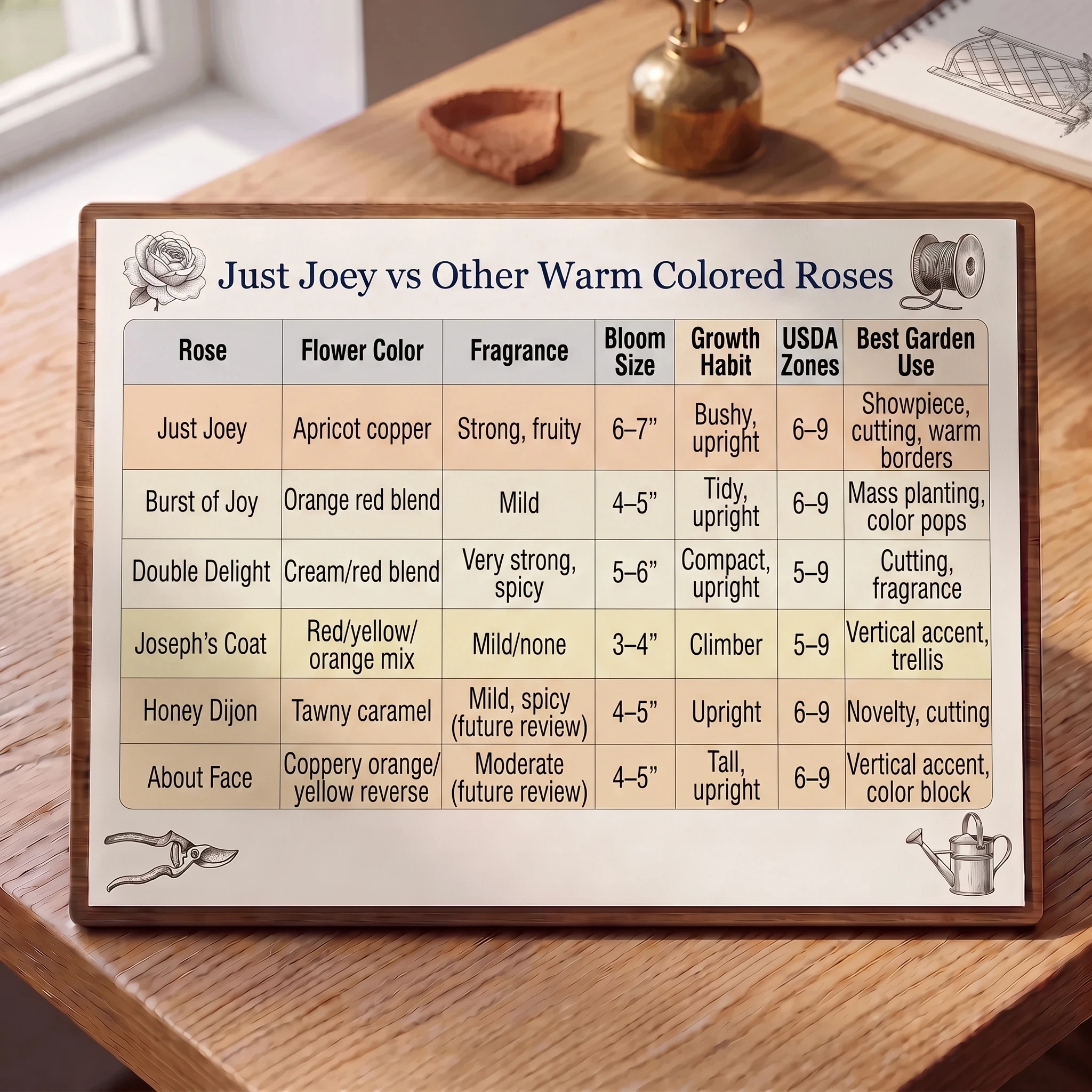
Who Should Buy Just Joey Rose?
Just Joey fits best for:
- Hybrid tea rose collectors wanting a modern classic
- Cut flower enthusiasts who value vase life and size
- Cottage and formal gardens aiming for a warm, romantic vibe
- Gardeners in USDA Zones 6–9 who want real flower power
- Anyone searching for something more unusual than typical pink, red, or yellow tea roses
May not be ideal if:
- You want a compact landscape type rose for very small spaces
- You garden in USDA Zone 5 or colder and cannot provide winter protection
Where to Buy Just Joey Rose
Look for plants from reputable nurseries, either in bare root or potted form.
Bare root roses are shipped during the dormant season (late winter to early spring), while potted roses can be planted anytime soil is not frozen.
Healthy canes (thick, green, no shriveling) and strong root systems mean a better start.
Make sure the plant is labeled as ‘Just Joey’ and check the USDA zone information listed by the retailer.
Bigger, established plants (2 year potted) bloom fastest, but bare roots are usually less expensive and just as strong after a year or two.
Nature Hills Nursery, David Austin US, and Regan Nursery are known for clear labeling, good shipping, and detailed climate information.
Always double check shipping windows, as nurseries often stop shipping roses during summer heat and winter freeze.
Frequently Asked Questions
Is Just Joey Rose orange or apricot?
Definitely apricot, with copper and peach highlights, never pure orange.
How fragrant is Just Joey Rose?
Very fragrant, so expect strong, fruity perfume, especially in mornings and evenings.
Does Just Joey bloom repeatedly?
Yes, it blooms in flushes from late spring until frost in most climates.
Which USDA zones are best?
6–9 give you the best mix of winter hardiness and long summer bloom.
Is Just Joey suitable for containers?
Yes, if you use a large enough pot and keep up with watering and feeding.
How large are the flowers?
6–7″ wide on average, with long cutting stems.
Is Just Joey disease resistant?
Average resistance; keep it pruned and provide good airflow to reduce trouble.
Does it make a good cut flower?
Yes, one of the best! Big heads and long vase life.
Is Just Joey suitable for beginners?
Yes, it’s forgiving in zones 6–9 and responds well to regular garden care.
How much sunlight does Just Joey need?
About 6+ hours daily for the biggest flowers and best color.
Final Verdict
If you are after a large, warm-toned hybrid tea rose with stand-out blooms, lush scent, and reliable repeat flowering in Zones 6–9, Just Joey is absolutely worth growing.
It blends classic hybrid tea looks with a twist of coppery apricot that never gets old, and its huge blooms and fragrance are as good for vases as they are in the landscape.
The only real downsides: it is a little fussy about regular care and does not like coldest winters unless protected.
For gardens that want “wow” factor from late spring to frost, it’s pretty hard to beat.
Curious about more unusual and stunning rose colors?
Check out my full guide to :-
Best Unusual Rose Colors for American Gardens: 12 Rare Roses for USDA Zones 5–9,
or dig into my in-depth reviews of favorites like Double Delight Rose, Joseph’s Coat Rose, Burst of Joy Rose, Ebb Tide Rose, and Neptune Rose for more rose inspiration and hands-on tips.
Happy gardening!!!!!!!!
Here is a little transparency: Our website contains affiliate links. This means if you click and make a purchase, we may receive a small commission. Do not worry, there is no extra cost to you. It is a simple way you can support our mission to bring you quality content.”
Hello I’m timothy Willan, love plants, Apricot roses have really shot up in popularity, they do have great fruity fragrance, Most people can smell it from several feet away on a still day. Why would it be in USDA zone7?
This is good to know, and a good tip, do not let roots sit in soggy spots. also, light shade after 2 pm keeps the blooms from bleaching or cooking. i love this flower, I think it’s easy to take care of,
this is a norther good tip, An annual hard prune in very early spring, Snip blooms with a long stem for vases
your info is RIGHTON, Does Just Joey bloom repeatedly? Best zones 6-9 – Does it make a good cut flower? YES!!
I really enjoyed this Blog post, Thanks you for sharing with me.
Hi Timothy,
Thank you very much for your kind and detailed comment!
I am delighted to hear that you enjoyed the review and found the growing tips helpful.
You are absolutely right—Just Joey is well known for its beautiful apricot blooms and wonderful fruity fragrance.
On a calm, warm day, the scent really can carry several feet, making it a fantastic rose to plant near a patio or walkway where you can fully appreciate it.
Regarding your question about USDA Zone 7, Just Joey grows very well there because it has enough winter hardiness to withstand the colder temperatures while still enjoying the long growing season it needs to produce its repeat blooms.
It also performs beautifully in Zones 6 through 9, provided it is planted in well-drained soil and receives plenty of sunlight.
In hotter parts of its range, a little afternoon shade can help preserve the bloom color and prevent heat stress, just as you mentioned.
I am glad the tips on pruning, avoiding soggy soil, and cutting long stems for vases stood out to you.
With proper care, Just Joey rewards gardeners with repeated flushes of gorgeous blooms throughout the season, and it truly is one of the finest hybrid tea roses for cutting and bringing indoors.
Thanks again for taking the time to leave such an encouraging comment, Timothy.
I really appreciate your support, and I hope you continue to enjoy the other rose reviews as well.
Happy gardening!