
If you are after a rose that combines the best of deep, rich color with knockout fragrance, it is hard to ignore Fragrant Plum.
This hybrid tea rose grabbed my attention years ago and it is only gotten more popular as gardeners search for purple roses that do not skimp on classic rose perfume.
Purple roses are always in demand, but truly fragrant and richly colored options can be rare.
The Fragrant Plum fills that gap for folks in USDA Zones 5–9.
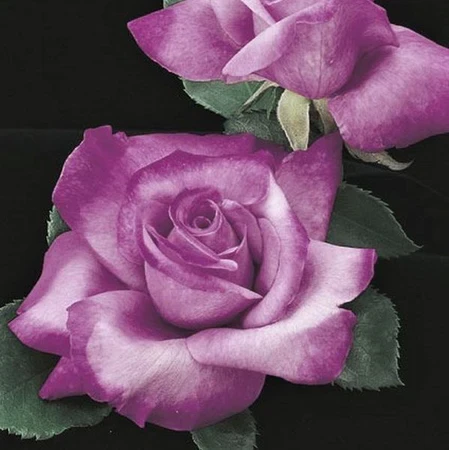
Some of my own favorite garden moments come from walking past a bush loaded with plum purple roses that send waves of scent through the air.
Whether you are a longtime rose collector or someone dreaming of their first head turning hybrid tea, I am walking you through everything you will want to know about growing Fragrant Plum, from how it performs in different zones to what you can expect in terms of flower color, scent, and upkeep.
If you are wondering if this rose is a good match for your landscape, you will get honest, first hand advice here.
Table of Contents
- Quick Verdict
- Fragrant Plum Rose at a Glance
- What Makes Fragrant Plum Rose Special?
- Flower Color and Bloom Characteristics
- Fragrance Review
- Growing Fragrant Plum Rose in USDA Hardiness Zones 5–9
- Soil Requirements
- Sunlight Requirements
- Water Requirements
- Fertilizing Fragrant Plum
- Pruning Guide
- Disease Resistance
- Is Fragrant Plum Good for Containers?
- Garden Design Ideas
- Best Companion Plants
- Pros and Cons
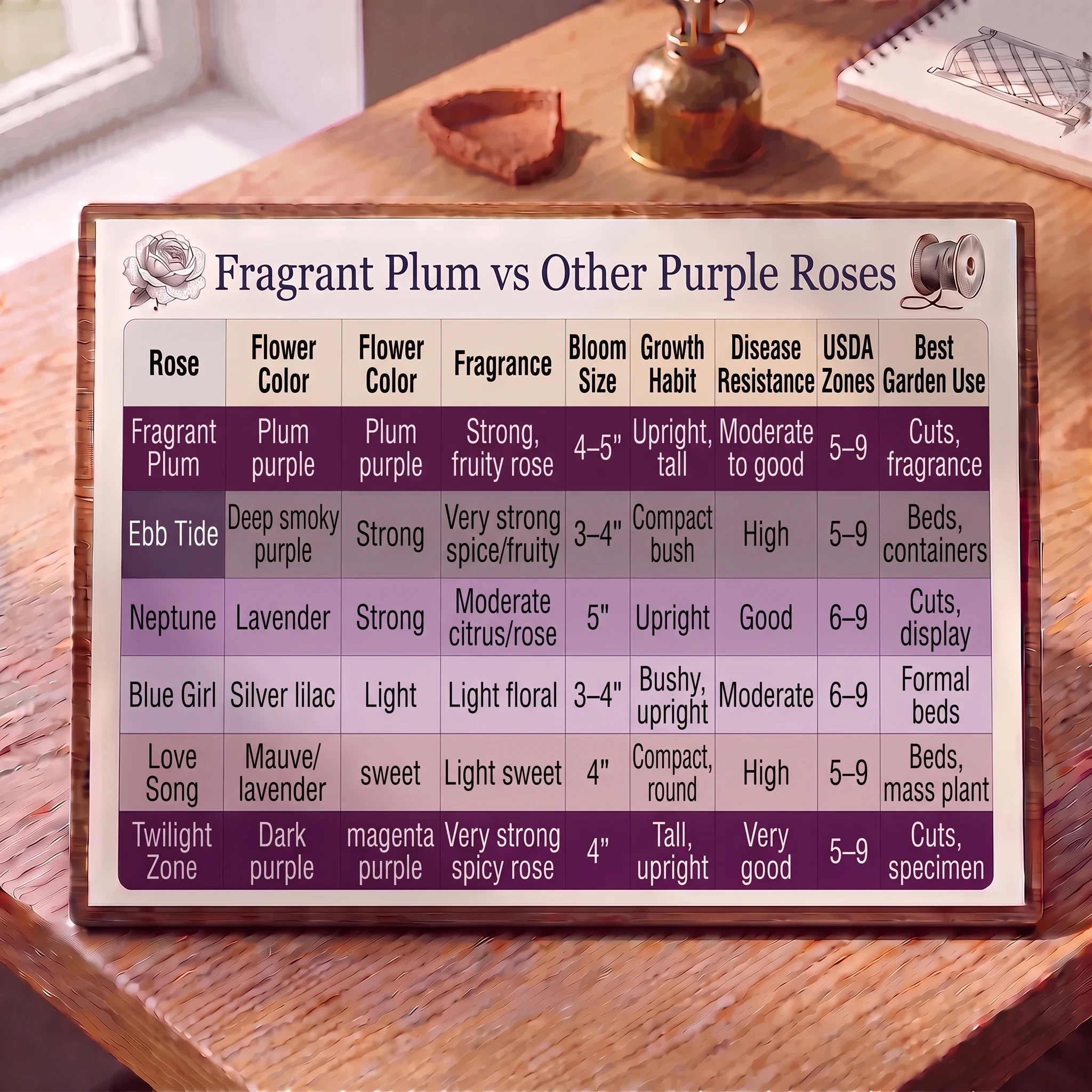
- Fragrant Plum vs Other Purple Roses
- Who Should Buy Fragrant Plum Rose?
- Where to Buy Fragrant Plum Rose
- Frequently Asked Questions
- Final Verdict
- Call to Action
Quick Verdict
Overall Rating: 4.4/5
Flower Color: Plum purple and lavender
Fragrance: Strong, fruityrose
Bloom Size: 4–5 inches
Disease Resistance: Moderate to good
Repeat Bloom: Yes; blooms in flushes
Cold Hardiness: Good with winter mulch
Heat Tolerance: Holds color in high heat
Container Suitability: Good for large pots
Cut Flower Rating: Excellent
Beginner Friendly: Yes, with some attention to feeding and disease
Fragrant Plum Rose at a Glance
Botanical Name: Rosa ‘Fragrant Plum’
Rose Class: Hybrid Tea
Breeder: Dr. Keith Zary
Introduction Year: 1988 (United States, Jackson & Perkins)
Flower Color: Deep plum purple fading to lavender
Fragrance: Strong, spicysweet
Bloom Size: 4–5 inches across
Mature Height: 4 to 6 feet
Mature Spread: 2 to 3 feet
USDA Hardiness Zones: 5–9
Growth Habit: Upright, long stems
Blooming Season: Late spring through frost
Sun Requirements: Full sun for best performance
What Makes Fragrant Plum Rose Special?
There is a good reason Fragrant Plum has fans who grow it year after year.
You get lush, saturated plum to purple coloring, which isn not that common among hybrid teas.
The blooms are decently sized and hold their color, even in heat. That strong, sweet scent you notice from several feet away gives any garden a boost.
The long, upright stems mean you can bring them indoors for cut arrangements; they last well in a vase, too.
This rose flowers repeatedly throughout summer and into fall with just a little deadheading and consistent feeding.
If you collect roses for their rare colors or for strong perfume, Fragrant Plum is definitely one to have on your list.
Flower Color and Bloom Characteristics
- Bud Color: Deep, dusky purple with hints of red
- Newly Opened Blooms: Rich plum and violet
- Mature Bloom Color: Lavender at the edges, deeper purple in the center, fading slightly in strong sun
- Seasonal Color Changes: More intense in cooler weather; softer in extreme summer heat
- Bloom Size: Consistently 4–5 inches across
- Petal Count: 25–30, giving a traditional, high centered hybrid tea look
- Flower Form: Classic hybrid tea shape; opens to a full, visually striking rose
- Repeat Bloom Performance: Flowers in flushes, so you will see regular color from late spring to hard frost
- Vase Life: Lasts about 5 to 7 days when cut fresh and conditioned correctly.
Fragrance Review
If you are a scent first gardener, Fragrant Plum really lives up to its name.
Each bloom packs a punch.
Think sweet, fruity plum with classic old rose undertones, and some describe a hint of citrus when you get up close.
The fragrance gets strongest in the morning and evening, especially after a rain or on humid days.
Even standing a few feet away, you will probably notice the perfume if there is a breeze.
It is richer and more punchy than many other purple roses I have tried, which is a feature a lot of people miss out on with more modern, less fragrant varieties.
Fragrance Rating: 9.5/10. Strong, complex, and long lasting—definitely top tier for hybrid teas in the purple range.
Growing Fragrant Plum Rose in USDA Hardiness Zones 5–9
USDA Zone 5
Zone 5 gardeners will want to give Fragrant Plum extra TLC in winter.
A thick layer of mulch at the base (4 to 6 inches) after a few good freezes helps protect the graft and roots from deep cold.
For my Zone 5 friends, I have seen success when folks mound up compost and leaves, and sometimes wrap the lower stem with burlap.
The plant bounces back reliably with this winter prep and is worthwhile if you crave purple hybrid teas in colder regions.
USDA Zone 6
Fragrant Plum settles in comfortably in Zone 6, often putting on its best growth and flower shows from late spring through mid autumn.
Good air circulation and morning sun make a big difference here; less disease, more blooms, and richer color.
USDA Zone 7
This is honestly where Fragrant Plum really shines.
The bloom cycles are frequent, the plant often gets taller, and you will see more of that signature plum color.
A little afternoon dappled shade keeps the color saturated in the hottest parts of summer and helps preserve fragrance quality.
USDA Zone 8
In hotter summers, afternoon shade can keep blooms looking fresher and prevent sun scald.
Good soil moisture (but not soggy!) is key here.
I recommend mulching well and watering deeply to help flowers last and maintain that strong purple color.
USDA Zone 9
If you are gardening in Zone 9, you will notice Fragrant Plum’s color softens a bit in peak heat, but the fragrance sticks around.
Regular soaks and thick mulch will help with flower quality.
Some gardeners here plant Fragrant Plum where it gets shade after 2 p.m. in July and August to keep it happiest through the hottest stretches.
Soil Requirements
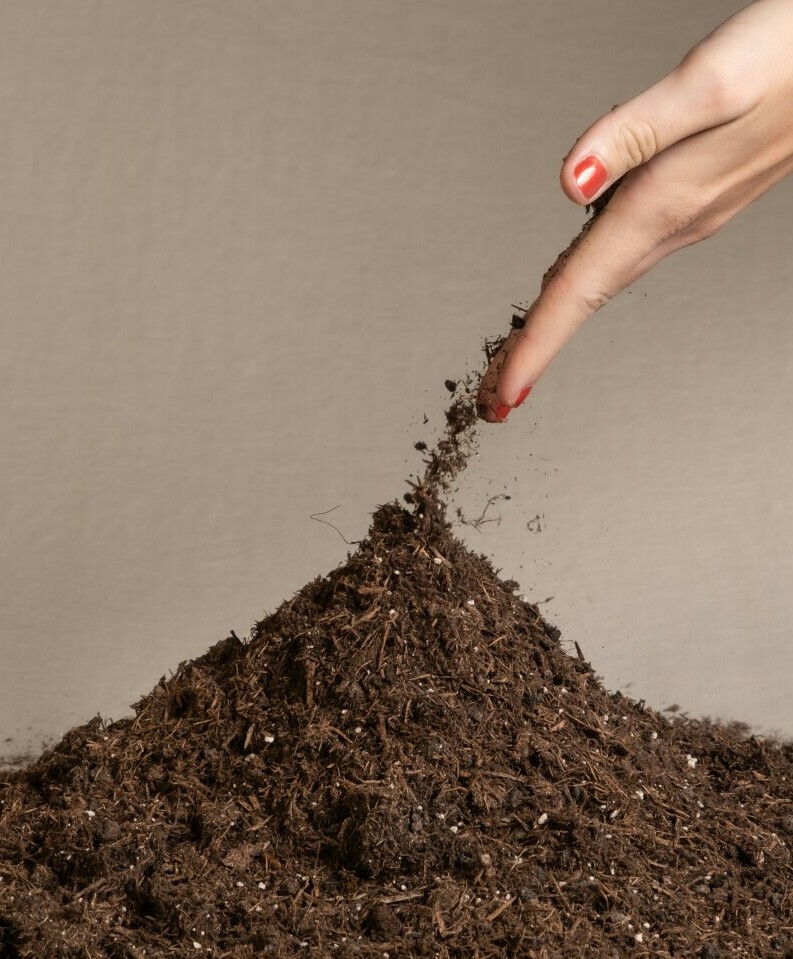
- Soil Texture: Welldrained is the way to go; clay or sandy soils should be amended with compost
- Organic Matter: Mixing in aged manure or rich organic compost gives the best blooms
- Ideal pH: Slightly acidic to neutral (6.0 to 7.0)
- Mulching: Mulch keeps roots cool and moisture stable, which is super important for vivid flower color
- Preparation: I dig the planting hole twice as wide as the root ball and blend in compost, which always seems to help new plants settle quickly
Sunlight Requirements
Full sun (at least 6 hours daily) is best for strong stems, deep color, and lots of blooms.
In the hottest areas, a bit of afternoon shade or filtered light will keep flower color richer and fragrance strong; direct sun in high heat can fade purple tones by late afternoon.
Less sun tends to mean fewer flowers and leggy, weak stems, so find that sweet spot.
Water Requirements
- Newly planted roses: Deep soak 2 to 3 times per week until established
- Established roses: Deep watering (allowing water to reach two feet down) once per week; more if it is hot and dry
- Summer irrigation: Do not let soil dry out; consistency is especially important for repeat bloom and keeping foliage healthy
Fertilizing Fragrant Plum
- Spring feeding: After pruning, use a balanced organic granular rose fertilizer or alfalfa meal to kickstart the season
- Midseason feeding: Repeat feeding after the first flush of blooms (usually June)
- Organic fertilizers: Fish emulsion or liquid seaweed can be applied every couple of weeks for lush growth and bigger flowers
- Fertilizer schedule: Feed every 4 to 6 weeks during the active growing season, then stop in late summer so the plant can slow down for fall
Pruning Guide
- Annual pruning: Early spring before new growth. Cut back stems to strong, outward facing buds at 12 to 18 inches
- Deadheading: Remove spent blooms as soon as they fade to keep repeat flowers coming
- Harvesting cut flowers: Cut when blooms are just starting to open (long stems make this rose ideal for bouquets)
- Winter pruning: In colder zones, cut stems shorter after hard frost and mulch up around the base
Disease Resistance
Fragrant Plum handles disease better than some older purple hybrid teas, but humid, rainy summers can still bring black spot and mildew.
Rust is not common but can appear.
Here is what I have learned works best:
- Black spot: Remove affected leaves and avoid wetting foliage; use a preventative fungicidal spray if you are in a high risk area
- Powdery mildew: Good air movement makes a huge difference. Space plants out and water at the base
- Rust: Rare on Fragrant Plum, but keep foliage dry and remove any orange spotted leaves you see
I have found that healthy, wellfed plants with lots of sun and air movement stay cleaner and look their best.
A regular rose care routine goes a long way.
Is Fragrant Plum Good for Containers?
- Pot size: Choose a big container; at least 18 to 22 inches across and deep
- Soil mix: A loose, welldraining rose soil mix with lots of compost
- Fertilizing: Liquid feeds every 3 weeks during active growth
- Watering: Container plants dry out faster; daily checks in summer
- Winter protection: Move pots into a sheltered spot or insulate with bubble wrap or mulch in colder zones.
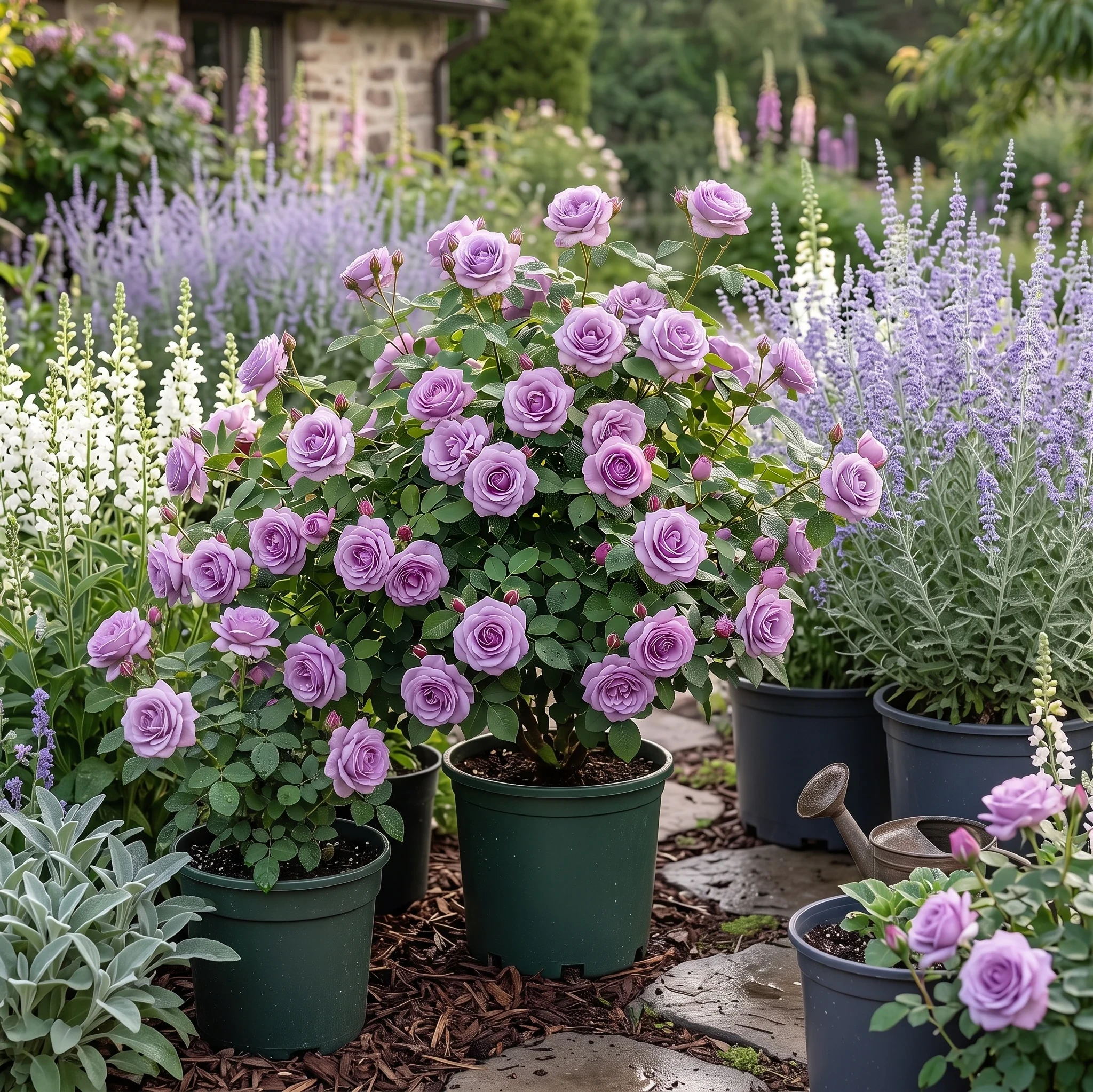
I know a few gardeners who keep Fragrant Plum on a sunny patio, and they love being able to move it for the best light or to shelter it during bad weather.
For container success, also try adding water retaining crystals to your soil mix and elevate the pot off the cold ground in winter to safeguard the roots from freezing.
Remember, since container plants can dry out fast in heat or wind, staying consistent with watering will reward you with longer flushes of those purple flowers.
Garden Design Ideas
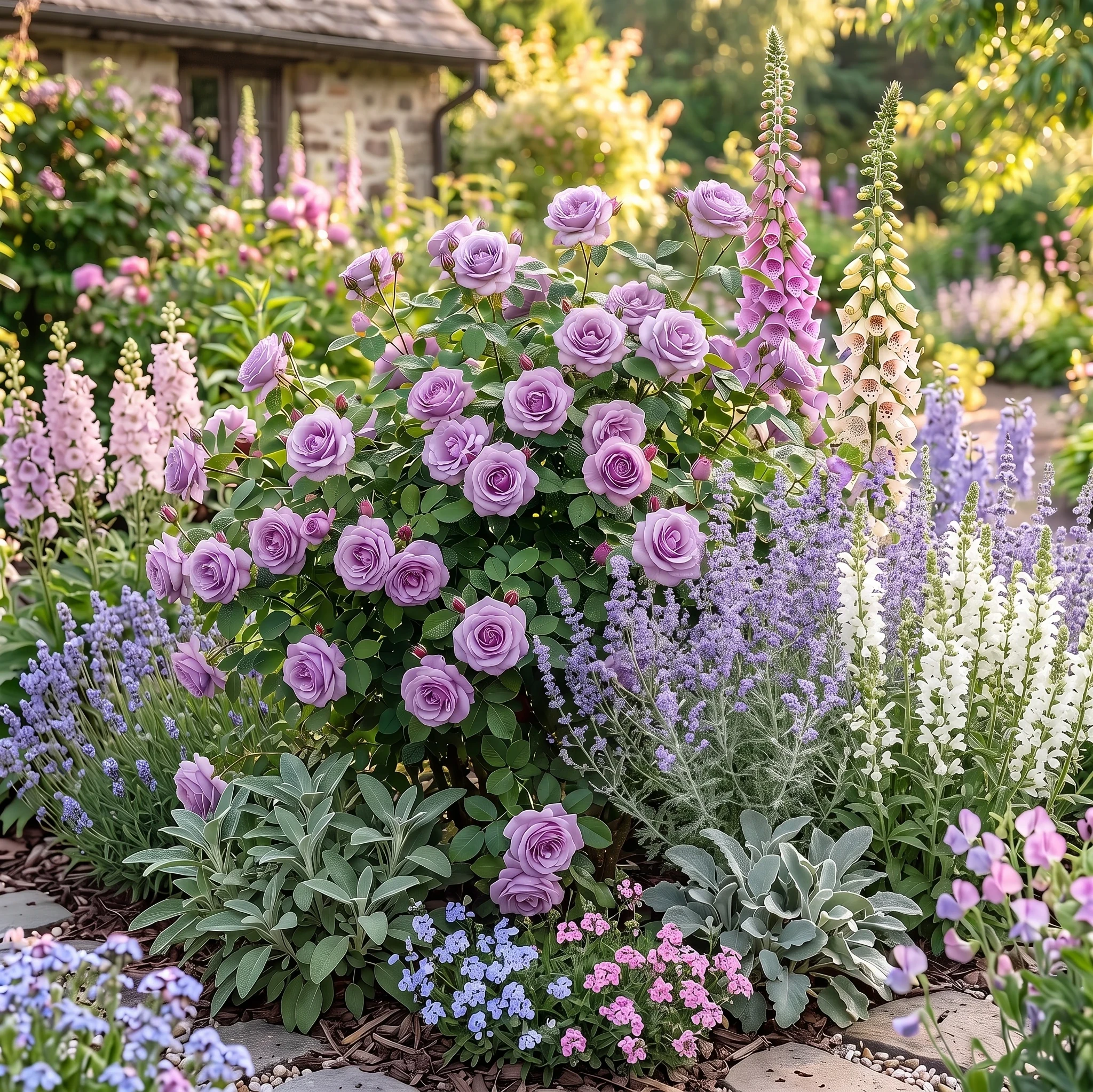
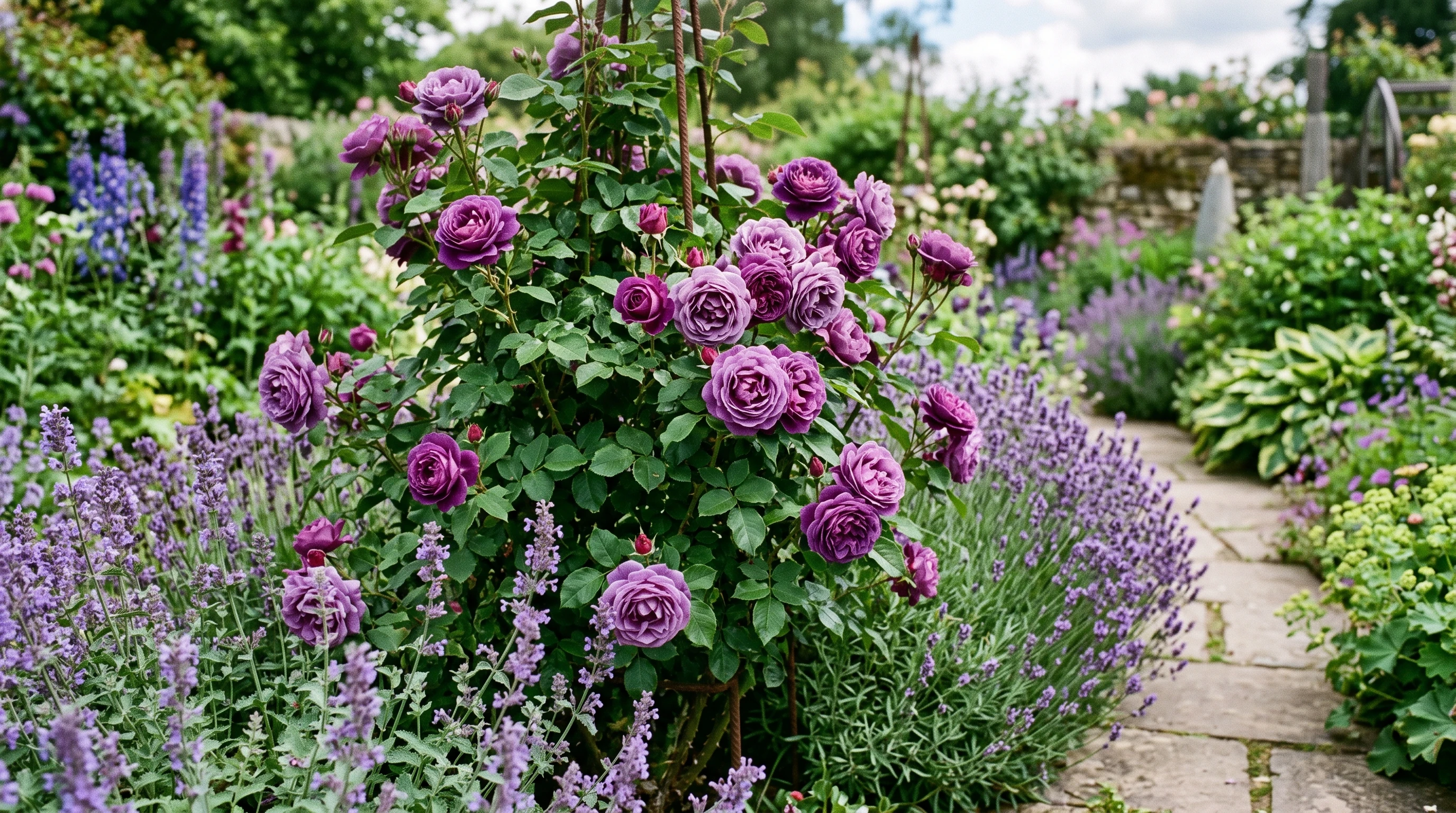
- Cottage gardens: Fragrant Plum adds drama and scent among foxglove and delphiniums
- Purple themed borders: Pair with mauve and blue repeat bloomers
- Formal rose gardens: The upright habit and classic flower make it fit right in
- Fragrant gardens: Position near paths or doorways so the scent is easy to enjoy
- Cut flower gardens: Long stems and great vase life
- Mixed perennial beds: Use as a vertical accent with softer, silver foliage companions
To really show off Fragrant Plum in your garden, border it with low, silverleaved perennials like artemisia or lamb’s ear to provide a vibrant contrast that makes those purple tones pop.
It also looks stunning near white flowering companion plants that bring the purples forward.
If fragrance is your main goal, try grouping Fragrant Plum with other old rose scented varieties to create a corner packed with scent all season long.
Best Companion Plants
- Catmint (Nepeta): Soft blue lavender flowers and graygreen leaves highlight the deep roses
- Lavender: Droughttolerant and sets off the plum blooms beautifully
- Russian Sage: Airy habit and long lavender spikes keep the border lively
- White Salvia: Brings a crisp contrast and attracts pollinators
- Shasta Daisy: White flowers make that purple pop
- Silver Artemisia: Silvery leaves cool the border and highlight the richness of the rose color
- Boxwood: Formal edging helps showcase the upright growth and vibrant blooms
Pros and Cons
Pros:
- Rich plum-purple flowers that grab attention
- Strong, complex fragrance
- Excellent for cutting and bouquets
- Repeat flowering all season
- Classic, highcentered hybrid tea blooms
Cons:
- Appreciates regular feeding for best blooms
- Needs disease monitoring in humid climates
- Large petals can flop in heavy rain without support
Who Should Buy Fragrant Plum Rose?
Ideal for:
- Rose lovers who focus on fragrance
- Hybrid tea collectors looking for something different
- Cut flower enthusiasts
- Cottagestyle gardens or classic garden design
- Those in USDA Zones 5–9
Not ideal for:
- Gardeners wanting a set and forget landscape rose
- Small space gardeners (it likes room to grow)
Where to Buy Fragrant Plum Rose
I have had the best luck ordering Fragrant Plum from reputable mail order nurseries and rose specialists like Nature Hills or Heirloom Roses.
Here is what I look for before buying:
- Bareroot vs potted: Bareroot plants ship in early spring; potted roses ship later and can be planted any time there is no frost
- Healthy canes: Should be fat, green, and free of wrinkling or scrapes
- Strong root system: Roots should be full and look alive, not dry or shriveled
- Plant size: Aim for a twoyearold rose or larger for fastest results
- Zone suitability: Double check the seller lists your hardiness zone and shipping time
- Shipping: Quality nurseries ship at the right time for your region
Buying from reputable sources matters.
They give accurate rose names and cultivar details so you know you are getting the real plant, not a look alike.
You can also expect advice on care and honest information about zone hardiness, which comes in handy if you are gardening at the edge of what is recommended.
Frequently Asked Questions
Is Fragrant Plum Rose really purple?
Yes; it is one of the deepest purple hybrid tea roses, with a rich plum hue that holds well most of the season.
How fragrant is Fragrant Plum Rose?
Very!
You will notice the sweet, fruity rose scent from several feet away, especially in the morning and evening.
Does Fragrant Plum bloom repeatedly?
Yes.
It produces several flushes of blooms from late spring until frost if you deadhead and feed it regularly.
Which USDA zones are best?
Zones 5–9, with some winter protection in the coldest areas.
Is it suitable for containers?
Definitely, as long as you use a big pot and keep up with water and feed.
How tall does Fragrant Plum grow?
Usually reaches 4–6 feet tall, sometimes up to 7 in ideal spots.
Is Fragrant Plum disease resistant?
It is moderately resistant; much better than older purple roses but needs attention in humid summers.
Does it make a good cut flower?
Absolutely!
The long, sturdy stems and good vase life make it a top pick.
Is Fragrant Plum better than Ebb Tide?
They are different; Ebb Tide is smokier and bushier, Fragrant Plum reaches taller and is stronger on fragrance.
How much sunlight does Fragrant Plum need?
Six or more hours per day is ideal, with afternoon shade in hottest zones for best color and health.
Final Verdict
Fragrant Plum is a top choice if you want a purple rose that actually smells as good as it looks.
The color, scent, and repeat blooms make it a real asset for both gardens and vases. It does like a little attention (especially with feeding and disease checks), but it rewards with unforgettable displays from early summer to fall.
You will get the best results in USDA Zones 5–9, with some planning needed for winter survival in colder areas and for keeping blooms fresh in the hottest summers.
Call to Action
If you are into unusual colors or building out a collection of great hybrid teas, Fragrant Plum totally belongs on your list.
Interested in exploring more?
Check out Best Unusual Rose Colors for American Gardens: 12 Rare Roses for USDA Zones 5–9, or see how it compares to other popular purples in my reviews of Ebb Tide, Neptune, Blue Girl, Love Song, and Twilight Zone.
 Happy gardening !!!!!!!!!!!!
Here’s a little transparency: Our website contains affiliate links. This means if you click and make a purchase, we may receive a small commission. Don’t worry, there’s no extra cost to you. It’s a simple way you can support our mission to bring you quality content.”
This is the first time that I have heard of or seen the purple plum rose and it is spectacular. I wonder if it would grow here, but I somehow doubt it, otherwise I would have seen them along with all the other roses for sale. What an achievement to be able to make something like that grow, and I am sure your garden and house willl smell wonderful.
We have loads of catmint and lavender in our garden, so that rose would look lovely there, but I think our climate here in the Eastern Cape, South Africa may be a little harsh.
Hi Michel,
Thank you so much for your thoughtful comment!
I am happy you enjoyed learning about the Fragrant Plum rose. It certainly is a spectacular variety, especially with its rich purple blooms and wonderful fragrance.
I think Fragrant Plum would look beautiful alongside your catmint and lavender. The purple tones and complementary fragrances would make for a stunning display.
As for growing it in the Eastern Cape, your climate could present some challenges depending on your exact location.
Fragrant Plum generally performs best in areas with mild summers, plenty of sunlight, fertile, well-drained soil, and consistent moisture. If you are in one of the hotter, drier parts of the Eastern Cape, giving it some afternoon shade during the hottest months, mulching well to keep the roots cool, and watering deeply during dry spells could help it cope with the conditions.
If Fragrant Plum is not readily available locally, it is also worth looking at roses bred specifically for warmer climates, as they may offer similar beauty while being better adapted to your environment.
Thanks again for sharing your thoughts. I hope you have the opportunity to try growing one someday—it would make a lovely companion to your lavender and catmint.
Happy gardening!