
Burst of Joy is one of those roses that really lives up to its name.
This cheerful floribunda gets a lot of attention for its eye-catching warm-toned blooms and nonstop flowers all season.
Thanks to its amazing cluster blooms and tidy habit, it fits perfectly in just about any garden landscape, border, or sunny patio.
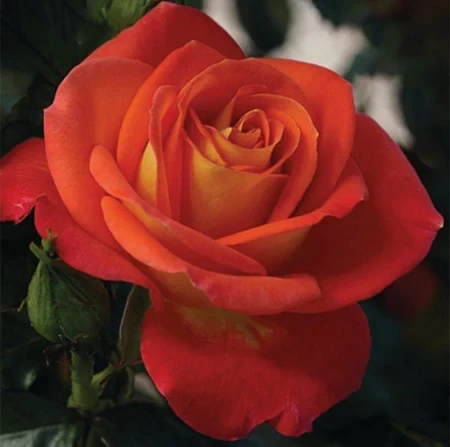
If you’re in USDA Hardiness Zones 5 through 9 and thinking about adding some hot color to your space, this review will help you decide if Burst of Joy is your best bet.
Burst of Joy Rose: Why Warm Colors Are So Popular
There is something about bold oranges and vivid apricots that naturally brightens up the garden, especially when spring blends into summer.
Warm colored roses like Burst of Joy are popular in American landscapes because they pop against leafy greens and blend beautifully with blues, purples, and silvers.
These colors remind many gardeners of sunsets, bonfires, and long, sunny afternoons.
Planting warm colors creates a vibrant focal point and invites lots of compliments from neighbors and friends.
Floribunda Roses Vs Hybrid Teas: What is the Deal?
Floribundas, like Burst of Joy, are well known for their clusters of blooms and repeat blossoming.
While hybrid teas usually have single, large flowers on long stems (great for cutting and bouquets), floribundas usually offer bushy plants filled with color.
This means you get a bigger impact in the landscape, more flowers per square foot, and often—though not always—a plant that is easier to care for.
If you want non-stop garden color instead of exhibition-perfect blooms for bouquets, floribundas are definitely worth checking out for your beds and borders.
Who Should Read This Review?
I put this review together for anyone considering Burst of Joy and looking for solid, straight-forward advice about how it works in real home gardens.
Beginners and experienced gardeners alike will find practical tips and clear details, especially if you grow in US Zones 5–9, where this rose is happiest.
Those who want vivid color without fuss, as well as rose collectors on the lookout for something new, will find helpful, specific guidance here.
What You Will Get From This Guide
I cover everything I have learned and researched about Burst of Joy in real gardens: flower power, repeat bloom, fragrance, disease resistance, landscape uses, and care for your specific growing zone.
You will also get companion planting ideas, scores in all the areas that matter, a heads-up on possible drawbacks, and easy-to-follow tips for great results, along with some gardening hacks for busy folks.
Burst of Joy’s Performance in USDA Zones 5–9
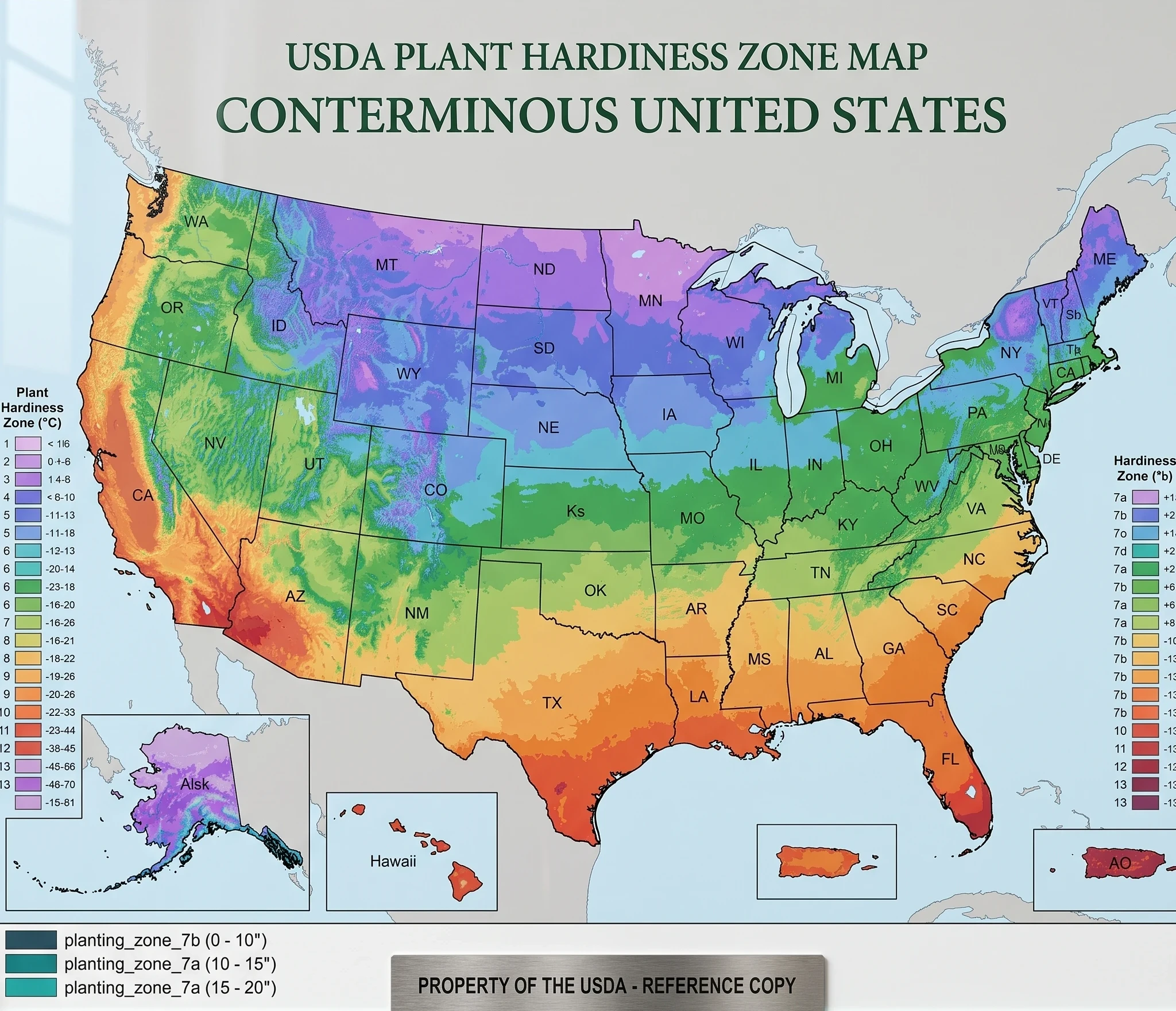
All the advice in this review is directed at gardeners in USDA Zones 5–9.
You will get zone-specific guidance on cold hardiness, summer heat, watering, and winter protection, so you know exactly what to expect and how to set your Burst of Joy up for success.
Smart planning keeps your roses looking their absolute best throughout every season.
Table of Contents
- Quick Verdict and Review Scorecard
- Burst of Joy Rose at a Glance
- What Makes Burst of Joy Special?
- Flower Color and Bloom Details
- Fragrance Review
- Growing Burst of Joy in USDA Zones 5–9
- Soil, Sun, and Watering Needs
- Fertilizing and Pruning Guide
- Disease Resistance
- Container Garden Tips
- Design and Companion Planting Ideas
- Pros and Cons
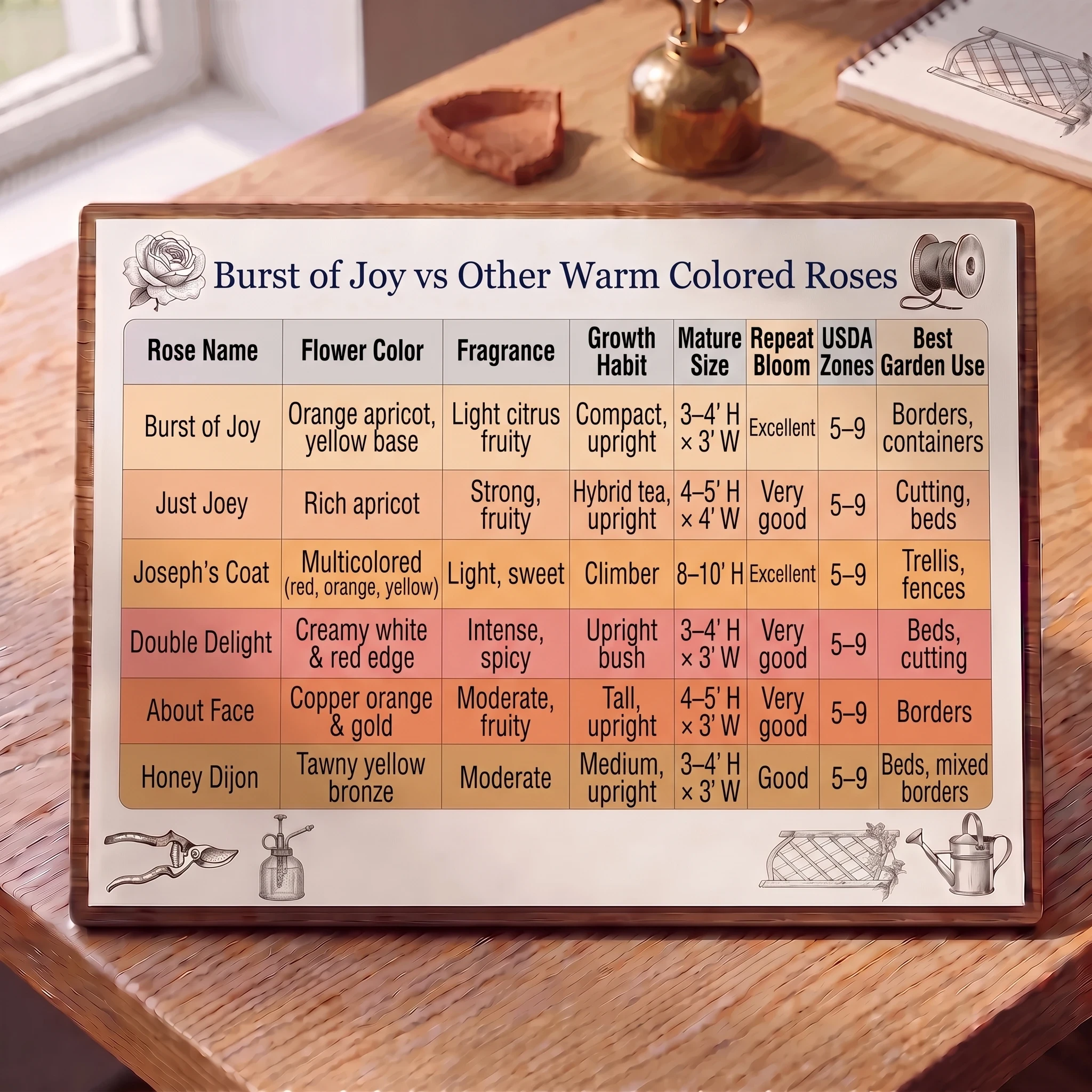
- Burst of Joy Compared to Other Warm Roses
- Who Should Grow Burst of Joy?
- Where to Buy Burst of Joy Rose
- Frequently Asked Questions
- Final Thoughts + Next Steps
Quick Verdict: Should You Grow Burst of Joy?
Burst of Joy is an upbeat, ultra-colorful floribunda.
Its orange-apricot blooms show up in impressive clusters from spring to frost, paired with tidy, glossy foliage and solid disease resistance.
This rose is super easy to enjoy in borders, perennial beds, or containers.
Not too fussy about care, happy in sunny spots, and genuinely beginner friendly.
The only caveat might be that its fragrance is on the lighter side—more fresh and fruity than intense.
If you want a garden or patio full of punchy, long-lasting color, Burst of Joy delivers big impact and long-lasting beauty all season long.
Burst of Joy Review Scorecard
- Overall Rating: 8.7/10
- Flower Color: 9.5/10
- Fragrance: 6.5/10
- Bloom Size: 8/10
- Repeat Bloom: 9/10
- Disease Resistance: 8.5/10
- Heat Tolerance: 8/10
- Cold Hardiness: 8.5/10
- Landscape Performance: 9/10
- Container Suitability: 8.5/10
- Beginner Friendly: 9/10
Burst of Joy Rose at a Glance
- Botanical Name: Rosa ‘Burst of Joy’
- Rose Class: Floribunda
- Breeder: Tom Carruth (Weeks Roses)
- Introduction Year: 2019 (U.S. debut)
- Flower Color: Orange apricot, with yellow undertones and soft pink highlights
- Fragrance: Light citrus fruity scent
- Bloom Size: 3–3.5 inches
- Mature Height: 3–4 feet
- Mature Spread: 2.5–3 feet
- USDA Hardiness Zones: 5–9
- Blooming Season: Late spring to frost; repeat flowering
- Growth Habit: Upright, compact, and bushy
- Sun Requirements: Full sun (6+ hours daily)
What Makes Burst of Joy Rose Special?
- Superbright flowers in happy sunset colors – eye-catching, especially from a distance
- Each stem topped by a bunch of blooms for big color impact
- Keeps flowering almost non-stop with good care
- Stays compact and does not sprawl – great for tight spaces or pot culture
- Glossy, healthy foliage plus strong disease resistance for less spraying
- Works beautifully in borders, mass plantings, or in front of taller shrubs
- Adapts well to large containers on patios or decks
Flower Color and Bloom Characteristics
- Bud Color: Deep apricot orange
- Newly Opened Flowers: Vivid orange, soft amber, touches of yellow
- Mature Flower Color: Blends to lighter apricot with pinkish undertones as blooms age
- Seasonal Color Changes: Blooms tend to show deeper orange in cooler weather and soften with summer heat
- Bloom Size: About 3 to 3.5 inches across
- Petal Count: 28–35 petals per bloom (fully double)
- Flower Clusters: Multiple blooms per upright stem for massive color
The blooms have a fresh, inviting look and stand out whether viewed up close or from across the yard, catching the light differently at different times of day.
Repeat Bloom Performance
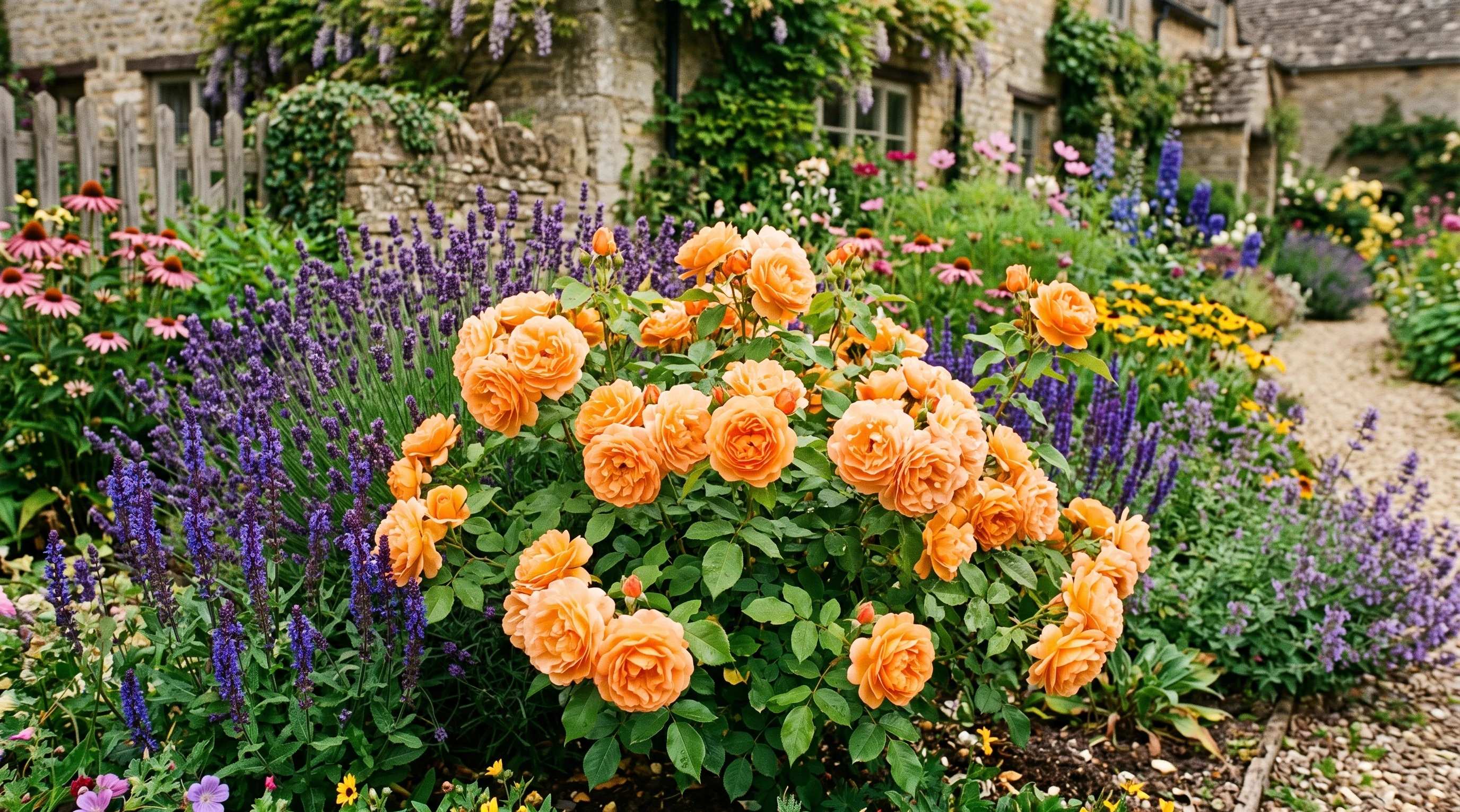
Burst of Joy is a champion repeater, showing new buds as soon as you remove the old clusters.
Expect wave after wave of color with minimal downtime.
This attribute makes it a favorite for those wanting a steady display that lasts from late spring through to the first frost.
In warm climates, you may even get as many as five separate bloom flushes each year.
Flower Longevity
Blooms last about 4 to 6 days on the bush and hold up pretty well to summer sun.
Cooler weather in spring and fall means even longer-lasting blooms—sometimes up to a week—from each floral cluster.
For best results, keep the bush hydrated and pick faded flower clusters promptly to encourage the next flush.
Fragrance Review
- Fragrance Intensity: Light to moderate; mostly noticeable up close
- Fragrance Character: Fresh citrus with subtle hints of fruit and tea
- Strongest Scent: Early morning and on cooler days
- Compared to Other Floribundas: Less powerful than Double Delight but a bit tangier than About Face
If you need a rose that will fill the air with scent, pick something else. Burst of Joy’s fragrance is gentle and best appreciated up close.
It is pleasant, with a fresh quality, and works well as a cut flower in small arrangements—although it would not overwhelm a room.
Growing Burst of Joy Rose in USDA Hardiness Zones 5–9
Zone 5: Surviving Real Winters
Burst of Joy generally holds up well with good winter care in Zone 5.
In exposed spots, add 3 to 4 inches of mulch at the base in the fall to protect the crown and roots.
Do not prune hard until after all frost danger passes in spring.
Where repeated deep freezes are likely, cover with burlap or grow it in a container that can be moved into a garage or protected porch over winter.
Zone 6: Ideal Garden Conditions
This is rose-growing prime territory.
With well-drained soil, steady feeding, and mulch, Burst of Joy delivers vivid color and repeat blooms.
Watch for late frosts after any spring flush and protect new growth if needed—but winter worry is minimal.
Zone 7: Prime Time for Big Blooms
In Zone 7, Burst of Joy really shines.
Long, mild seasons mean non-stop flowering, quick recovery between flushes, and showy color that keeps going into fall.
With regular feeding, plants reach their full size fast and stay lush.
Zone 8: Keeping Cool in the Heat
Heat spells can cause flower color to fade a bit quicker, so keep Burst of Joy well watered and mulched.
Provide afternoon shade where summer sun is intense, and water early in the morning to avoid foliage scorch and cut the risk of disease.
Zone 9: Beat the Heat and Drought
Burst of Joy can handle direct sun but appreciates some extra water and a thick 2 to 3-inch bark mulch during summer.
Dappled afternoon shade helps foliage and blooms stay looking their best.
Do not be afraid to water deeply during long dry stretches—this rose handles brief droughts, but thrives with consistent moisture.
Soil Requirements
- Needs well-drained, fertile soil – soggy roots spell trouble
- Loves organic matter: blend in plenty of compost or aged manure before planting
- Ideal pH: Slightly acidic to neutral (around 6.0–6.5)
- Start with a large planting hole, at least 18 inches wide and deep
- Add fresh mulch every spring to keep roots cool and limit weeds
Loose, crumbly soil means better root growth and healthier blooms.
Add organic matter yearly to keep soil in top shape.
Sunlight Requirements
- Needs full sun – 6 or more hours daily for the best color and repeat bloom
- In the South or areas with harsh summer sun, a touch of afternoon shade extends flower life
- Dense shade limits blooming and increases fungus risk
Do not skimp on the sun! Less light means fewer flowers and weaker plants.
Water Requirements
- Newly Planted: Water deeply twice weekly for 4 to 6 weeks
- Established Roses: One good soaking a week in mild weather; up to two during hot spells
- Direct water at the root zone – avoid wetting leaves to prevent disease
- Handles short droughts better than most roses, but do not let soil get bone dry
Proper watering means great growth, strong blooms, and fewer disease troubles.
Fertilizing Burst of Joy
- Add balanced rose fertilizer when new growth appears in spring
- Feed again after the first flower flush
- For long seasons, do one last (organic) feeding in mid-summer; skip fertilizer after late July in cold regions
- Compost and organic mulch help soil stay healthy for steady growth
- Consistent, not heavy, feeding keeps color rich and leaves glossy
Pruning Guide
- Prune lightly in late winter or very early spring. Remove old or dead wood and thin the center for airflow
- Deadhead faded flowers regularly to encourage repeat blooms
- Trim back weak or crowded stems to get better flowers and keep things tidy
- In coldest regions, do major pruning after last frost
Regular, light pruning keeps plants healthy and blooming at their best. Sharp, clean pruning tools are a big help.
Disease Resistance
- Burst of Joy is solid on disease resistance. Black spot and powdery mildew are rare with sun and airflow
- Rust may show up in wet springs; keep mulch away from stems and avoid overhead watering
- Remove infected leaves quickly and throw them away
- Organic sprays, like neem oil or baking soda, work if issues pop up
Stay proactive with clean practices, and Burst of Joy will usually stay healthy with little fuss.
Is Burst of Joy Rose Good for Containers?
This rose is a top pick for big pots because of its upright, rounded shape and repeat flushes.
Choose a container at least 18 inches across and deep, fill it with high-quality potting compost plus some garden soil and composted manure, and keep it in full sun.
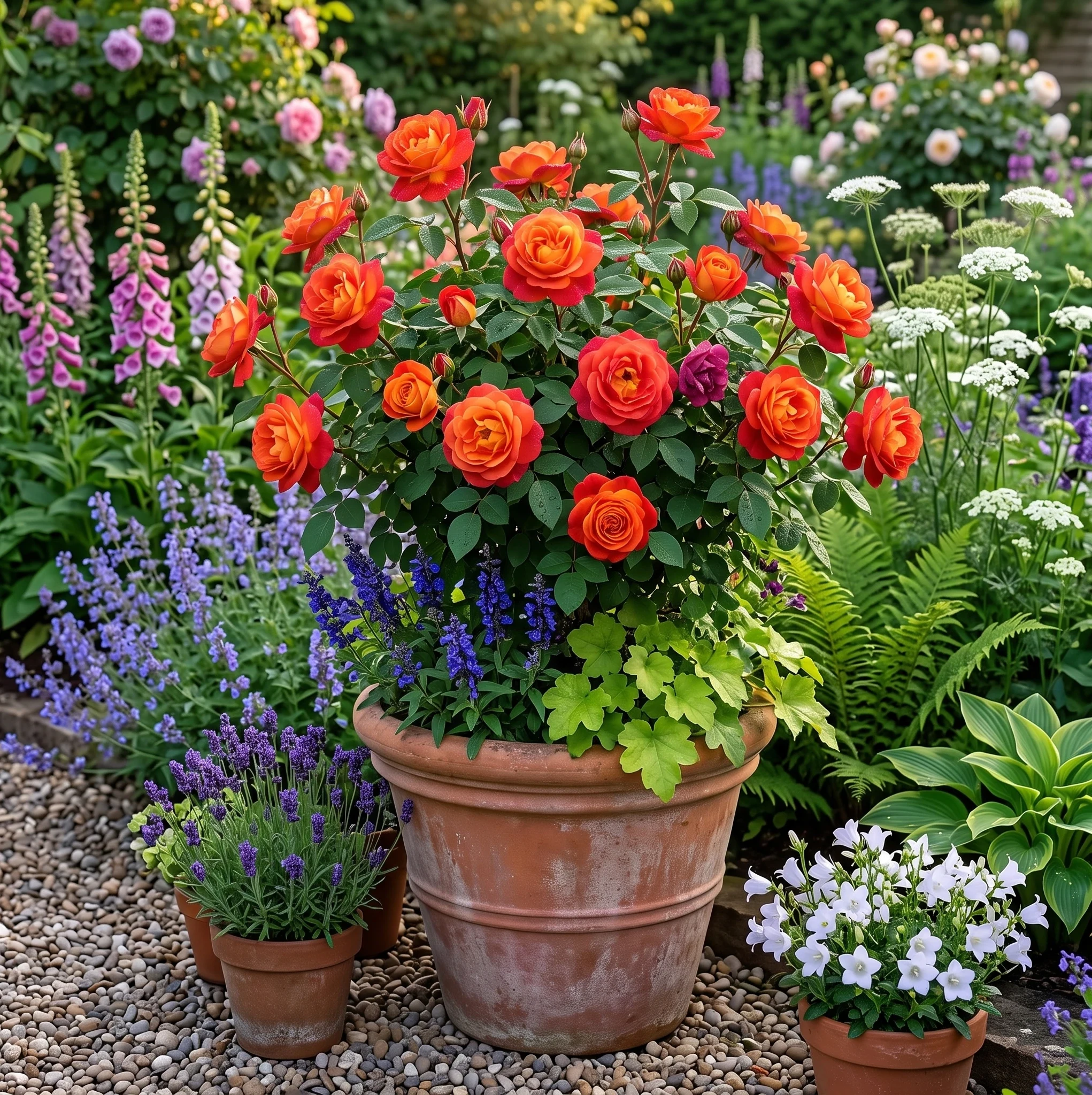
Water thoroughly, but let the top inch dry before the next soak.
A liquid rose fertilizer every few weeks during growing season works great. In cold regions, bring pots into shelters for winter.
Regular care lets potted Burst of Joy roses add rich color to patios, balconies, and decks—even in small spaces.
Garden Design Ideas
- Ideal for cottage gardens, foundation plantings, and small mixed borders
- Super as a bright accent in patio pots
- Excellent for mass planting along paths or walkways
- Attracts pollinators like bees and butterflies to your garden
Cluster a few Burst of Joy bushes near purple or blue companions for instant garden drama, or use single plants as a bold focal point in container arrangements.
Best Companion Plants
Partnering Burst of Joy with cool blues, lush purples, or silvery greens turns up the color even more. Some top picks:
- Lavender and Catmint for a soft, classic cottage effect
- Blue Salvia and Russian Sage to step up pollinator visits
- White Coneflowers for contrast and a calming edge
- Silver Artemisia for neat, drought-proof borders
- Boxwood for a tidy, formal touch along the border’s edge
Mixing these plants with Burst of Joy gives you a vibrant, textured display from spring through fall.
Try different combinations to see which look you love most.
Pros and Cons
Pros
- Bright, joyful color pops all season
- Non-stop flowers from late spring to frost
- Floribunda clusters for maximum garden impact
- Compact, manageable size works just about anywhere
- Strong resistance to common rose diseases
- Forgiving plant for beginners and experienced folks alike
Cons
- Fragrance is on the lighter side—not a heavy perfume rose
- Needs regular deadheading for continuous bloom
- Color may shift a little with temperature swings—not always a catalog match
Who Should Buy Burst of Joy Rose?
This rose is a match for anyone craving vivid color and steady blooms with no high maintenance routine. If you fit into any of these groups, Burst of Joy may suit you perfectly:
- Brand new rose growers and those eager to try their first rose
- Lovers of cottage and informal gardens
- Homeowners with smaller beds, patios or city courtyards
- Container gardeners or those wanting a bright pop on a deck or balcony
- Anyone who wants low-effort, room-filling blooms in Zones 5–9
Those who want exhibition-style roses for shows, or gardeners looking for climbers or super-large blooms, will want to pick a different variety.
If fragrance is your top priority, you might choose a different rose too.
Where to Buy Burst of Joy Rose
Choose a healthy plant for best results.
Garden centers and online nurseries like Nature Hills offer Burst of Joy as both bare-root and potted.
Bareroot roses are usually cheaper and settle in quickly when planted early in the year.
Potted roses cost a bit more, but you can plant them out later in spring or early summer, making them more flexible and hassle free.
Always double-check that your rose is zone appropriate.
Your rose should have firm roots, green stems, and no obvious pests or mildew.
Buying from solid suppliers like Nature Hills means your plant will be true to name and delivered in season, primed for strong growth.
Frequently Asked Questions
Is Burst of Joy Rose fragrant?
Burst of Joy has a light, fresh scent with citrus and fruit notes. It’s pleasant but not super strong.
Does Burst of Joy bloom all season?
Yes, with regular deadheading and care, you’ll get repeat flowers from late spring right through fall.
Which USDA zones are best?
Burst of Joy thrives in Zones 5–9, handling mild cold snaps and hot summers with no problem.
Is it suitable for containers?
Absolutely! Its bushy form and steady blooms look great in large patio pots.
How tall does Burst of Joy grow?
Expect about 3–4 feet high and 3 feet wide when mature.
Is it disease resistant?
Yes, it does well against black spot, powdery mildew, and rust when grown with good airflow and sun.
Does it make a good landscape rose?
It’s one of the best for borders, small beds, and colorful mass plantings.
Is Burst of Joy beginner friendly?
Definitely. It’s easy to grow, forgiving of beginner mistakes, and bounces back from setbacks well.
How much sunlight does it need?
Needs full sun (at least 6 hours a day) for the best color and flower production.
How often should it be pruned?
Give it a light shape-up in late winter or early spring, and deadhead clusters throughout the season.
Final Verdict
Burst of Joy brings a genuine spark to perennial borders, cottage gardens, patios, and front yards with its constant clusters of orange apricot blooms and light fruity fragrance.
It is bushy, compact, and easy to manage, which makes it a hit for both beginners and gardeners who want a reliable, low-maintenance show.
It can take Midwest winters with mulch and keep going through hot Southern summers with a little extra water and shade.
For constant, high impact in beds, borders, and containers, Burst of Joy is tough to beat.
If you want a climber or roses with powerhouse fragrance, though, you’ll want to look elsewhere.
Looking for more unique roses?
Check out my review on Best Unusual Rose Colors for American Gardens: 12 Rare Roses for USDA Zones for more inspiration.
Here’s a little transparency: Our website contains affiliate links. This means if you click and make a purchase, we may receive a small commission. Don’t worry, there’s no extra cost to you. It’s a simple way you can support our mission to bring you quality content.”
Oh my word, every time I visit this website I see the most gorgeous roses, and ones that I have never seen before in real life. And Burst of Joy is such an apt name for this particular hue.
Great to see that it grows easily and keeps flowering with care. I am going to ask our local nursery if Burst of Joy will grow here in the Eastern Cape. I have a feeling the climate is too hot, as normal roses in these parts are not easy to grow and normally survive better in green houses.
I wonder if I cut my dead head roses off if it will encourage them to grow faster, or is this only advice for this particular variant?
Hi Michel,
Thank you so much for your kind comment!
I am delighted to hear you are enjoying the rose reviews. Burst of Joy certainly lives up to its name with its vibrant orange blooms and cheerful appearance.
I hope your local nursery can help you source one.
The Eastern Cape can be challenging for some roses, especially in areas with high temperatures and dry conditions.
However, if you can provide rich, well-drained soil, regular deep watering, a layer of organic mulch, and perhaps some afternoon shade during the hottest months, there is a good chance it could perform well.
Growing it in a greenhouse or tunnel, where conditions can be better managed, is also an excellent option.
To answer your question about deadheading, this is not just specific to Burst of Joy—it is good practice for most repeat-flowering roses, including floribundas, hybrid teas, and many shrub roses.
Removing spent blooms encourages the plant to direct its energy into producing new flowers instead of developing rose hips (seed pods).
While deadheading would not necessarily make the plant grow faster, it will usually result in more blooms over a longer flowering season and keep the bush looking neat and healthy.
Thank you again for your thoughtful comment, Michel.
I hope you are able to find a Burst of Joy rose locally, and I would love to hear how it performs if you decide to grow one.
Happy gardening!