
Unusual rose colors are popping up in American gardens like never before.
Growing something unique in the backyard is not just about showing off; it is about putting a personal touch on your landscape that makes it feel truly yours.
While classic reds and pinks will always have a place, there is been a real move toward rare and offbeat rose tones that turn heads, spark conversation, and anchor garden beds with a sense of wonder.
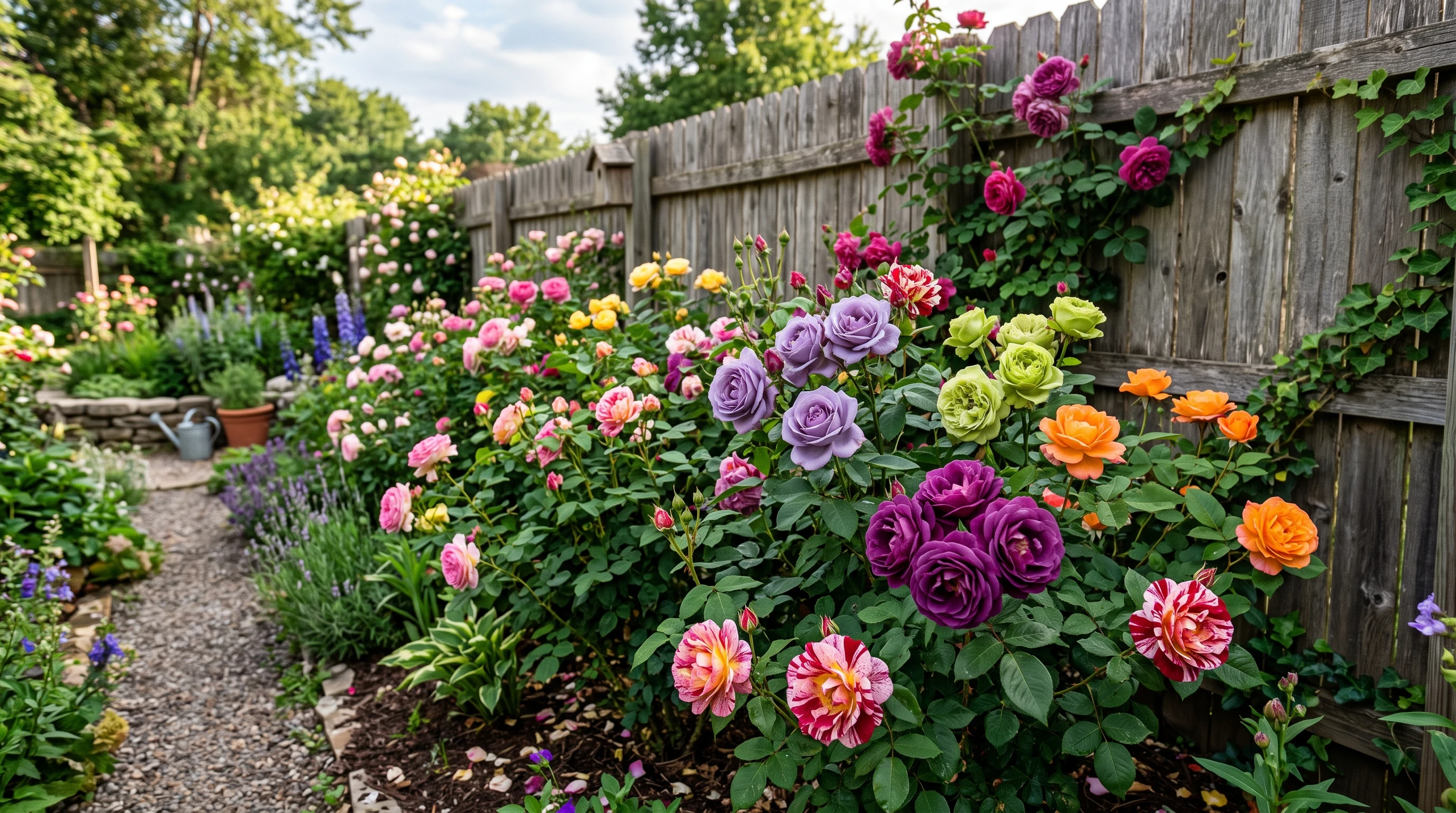
Why Unusual Rose Colors Are Trending in American Gardens
Gardeners across the U.S. are searching for roses that stand out from the crowd.
Unique colors are not just about being different.
They bring bold contrast, set off companion plants, and provide focal points that draw your eye across the yard.
These new varieties also show off the latest in rose breeding and appeal to collectors, hobbyists, and anyone ready to try something beyond the usual.
Selecting the right rose for your garden is about so much more than which color you like best.
Growth habits, bloom times, fragrance, and disease resistance all play a part.
Pick a variety that lines up with your climate and goals, and you will have a rose bush that thrives for years.
USDA Hardiness Zones are the real starting point for finding a rose that works in your area.
This guide spotlights twelve rare rose varieties that are all available from trusted American nurseries like Nature Hills, and are tough enough for zones 4 through 10.
So, you will see something special here whether you are gardening in upstate New York, the Great Plains, or out West.
Table of Contents
- What Makes a Rose Color “Unusual”?
- Understanding USDA Hardiness Zones Before Buying Roses
- How We Selected These Roses
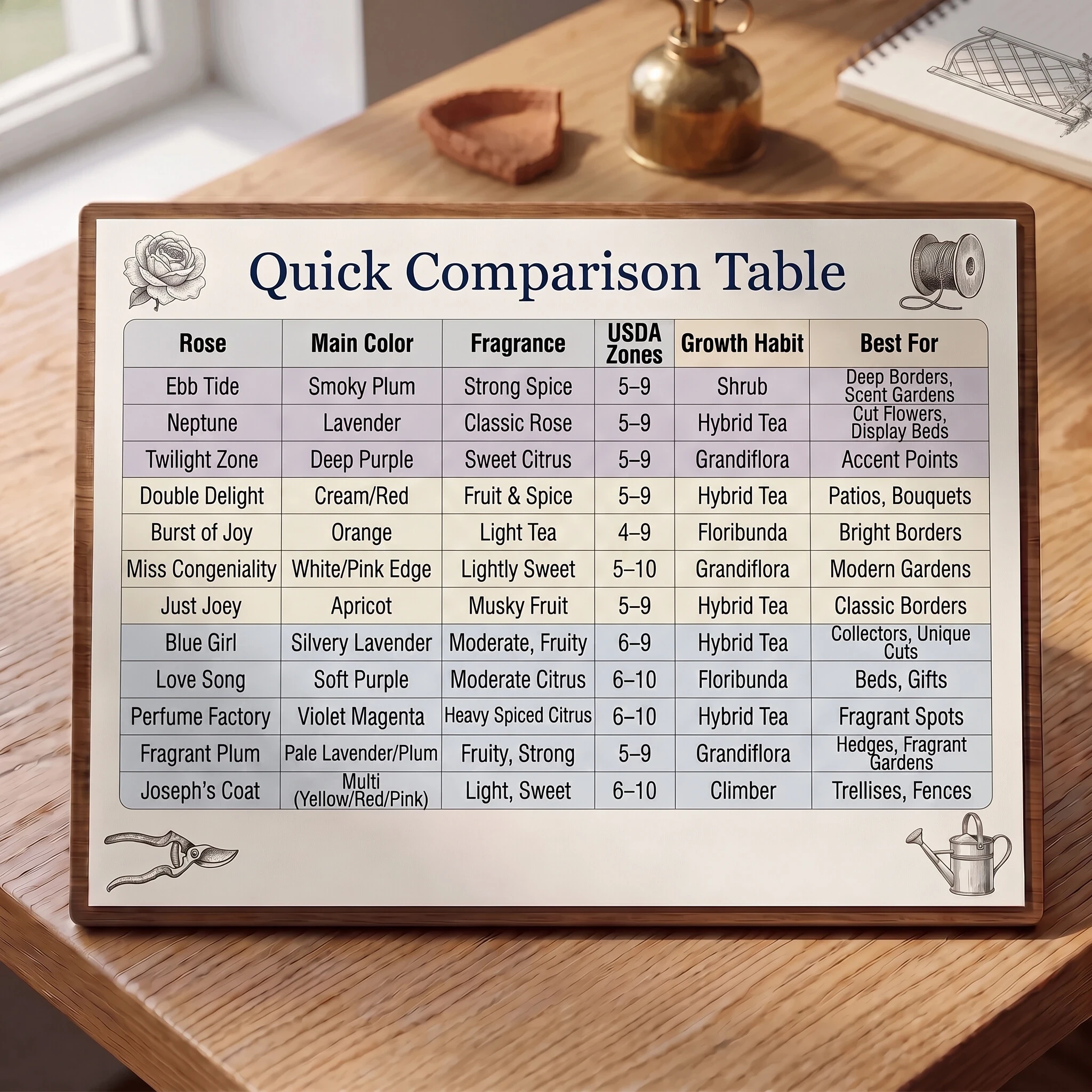
- Quick Comparison Table
- The 12 Best Unusual Rose Colors
- Which Unusual Rose Is Best for Your USDA Zone?
- Best Unusual Roses by Garden Style
- Most Fragrant Unusual Roses
- Which Rose Color Fits Your Garden Personality?
- Buying Guide
- Frequently Asked Questions
- Final Recommendations
- Conclusion
What Makes a Rose Color “Unusual”?
Unusual rose colors do not just appear out of nowhere.
Most are the result of years of careful breeding, along with some cool science around pigments and genetics.
- Genetics: A rose’s color depends a lot on its genes; some species and hybrids naturally have rare pigments that set them apart from typical garden roses.
- Pigment Development: The primary rose pigments are anthocyanins (reds, purples), carotenoids (yellows, oranges), and sometimes rare mutations that let lavenders or smoky tones break through.
- Hybrid Breeding: Modern breeders combine old-fashioned roses with advanced hybrids to coax out colors you just do not see in the wild. This is how striped, smoky, green, and deep purple blooms became possible.
For example, true blue roses do not exist in nature; roses do not produce delphinidin, the pigment responsible for blue flowers in other plants.
That is why roses called “blue” are really shades of lavender, purple, or silvery-mauve.
Multicolored (striped, bicolor) roses come from natural chance mutations and selective hybridization, and green roses come from abnormal petal development rather than pigment.
Smoky purples and elusive colors often change during blooming, with petals switching tones as the flower matures or as temperatures change.
That is part of what makes these roses so special.
They do not just add color, they bring a little science, a dose of horticultural history, and some personality no other plant can match.
Understanding USDA Hardiness Zones Before Buying Roses
Not every rose will survive in every climate.
That is where USDA hardiness zones come in. These zones tell you what minimum temperatures a plant can handle and which roses will bounce back after winter.
When you shop at a reputable nursery like Nature Hills, they will list the zone range right in the description, making it pretty easy to match roses to your region.
- Zone 4( e.g., parts of Minnesota, North Dakota, Wisconsin, Maine, and high elevations in Colorado:-Winters in Zone 4 are long and can drop to -30°F / -34°C. Soil freezes deep and late spring frosts are common, so roses here need to be extra hardy and own-root varieties do best.
- Zone 5 (e.g., parts of Michigan, Colorado, and New York): Winters can get really cold, so roses need to be hardy enough to withstand freezing.
- Zone 6 (e.g., most of Pennsylvania, Missouri): Opens the door to a bigger selection of roses, but cold snaps still happen.
- Zone 7 (e.g., Tennessee, Washington D.C.): Milder winters and longer summers mean more options, including some subtropical varieties.
- Zone 8 (e.g., Texas, North Carolina, coastal Oregon): Long, hot summers favor vigorous, repeat-blooming roses.
- Zone 9 (e.g., California valleys, Florida): Mild winters and nearly year-round growth for heat-tolerant types.
- Zone 10 (e.g., parts of Southern California, South Florida, coastal Texas, and Hawaii ). Zone 10 barely gets frost. Winters are mild with lows of 30°F / -1°C to 40°F / 4°C, so roses do not go fully dormant. The challenge here is heat, humidity, and lack of winter chill, not cold.
Picking roses suited for your zone ensures you spend less time on winter protection and more time enjoying your garden’s rare colors.
How We Selected These Roses
I only included varieties that are not just visually cool; they also perform well for real gardeners.
Here is what I looked for:
- One of a kind or rare flower color not found in standard catalogs.
- Noticeable fragrance for extra garden appeal (when available).
- Consistent garden performance in American climates.
- Toughness against common rose diseases.
- Blooming through much of the season, not just during one week.
- Popularity or positive feedback from U.S. gardeners and collectors.
- Listed as suitable for USDA Zones 4–10.
- Available from trusted nurseries like Nature Hills, Heirloom Roses, or David Austin Roses U.S.
The 12 Best Unusual Rose Colors
1. Ebb Tide Rose
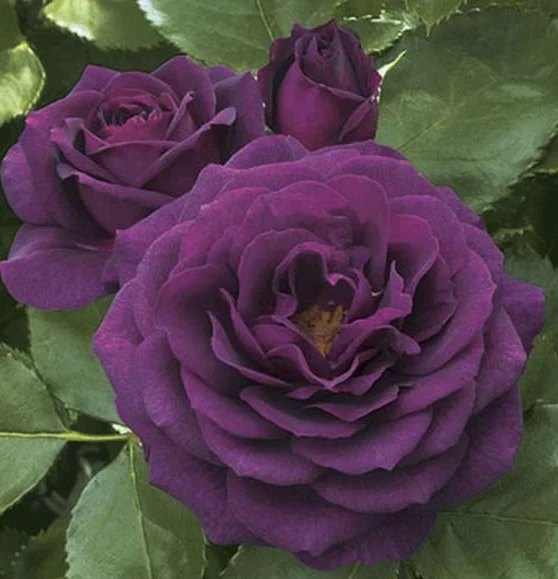
Overview: This shrub rose puts moody, mysterious color right up front, almost like black cherry in bloom.
Why It is Unique: Deep smoky plum petals, sometimes looking nearly black on cool spring mornings.
Flower Color: Smoky, velvety purple with a hint of blue depth.
Fragrance: Spicy clove scent that stands out even at a distance.
Mature Size: 3–4 feet tall and wide.
USDA Zones: 5–9.
Best Garden Uses: Borders, accent plantings, and any garden where you want a dramatic effect.
- Pros: Intense fragrance, very unusual color, repeat bloomer.
- Cons: Can be sensitive to blackspot and downy mildew in humid areas; needs good air circulation.
Best For: Scent driven gardens and focal beds. Read our full Ebb Tide Rose Review →
2. Neptune Rose
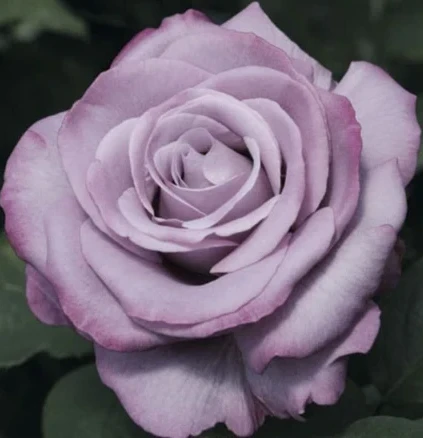
Overview: A standout hybrid tea with big, classic-shaped blooms in a hue rarely seen in classic gardens.
Why It is Unique: Unmistakable lavender petals and long, strong stems.
Flower Color: Soft, clear lavender with a silvery glow.
Fragrance: Clean, sweet rose scent, classic but not overpowering.
Mature Size: 4–5 feet tall.
USDA Zones: 5–9.
Best Garden Uses: Great for cutting gardens due to its long stems.
- Pros: Big blooms, unique color, good disease tolerance in many areas.
- Cons: Sometimes less vigorous in deep southern zones if summer heat persists.
Best For: Cut flower lovers and collectors. Read our full Neptune Rose Review →
3. Twilight Zone Rose
Overview: Grandiflora rose with large, fully double flowers in an extraordinary deep purple shade.
Why It is Unique: Uncommon color and old-fashioned bloom form.
Flower Color: Garnet purple, deepening to near black in cool springs.
Fragrance: Intense spicy-sweet, very noticeable.
Mature Size: 3–4 feet tall, 2–3 feet wide.
USDA Zones: 5–9.
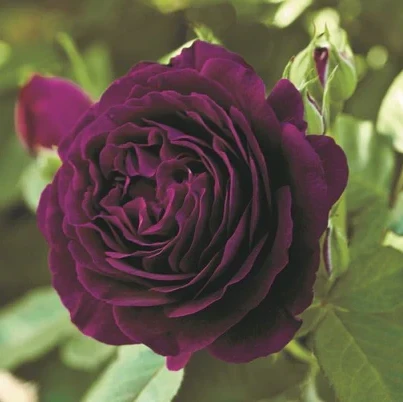
Best Garden Uses: Accent or massed planting, looks especially cool against silver foliage.
- Pros: Robust grower, distinct color, reliable rebloomer.
- Cons: May need extra disease management in high-humidity climates.
Best For: Anyone craving deep purple shades. Read our full Twilight Zone Rose Review →
4. Double Delight Rose
Overview: Hybrid tea with breathtaking two tone blooms that fill the air with spicy fruit fragrance.
Why It is Unique: White petals edged in deep strawberry red, changing with temperature and sun exposure.
Flower Color: Cream to white with variable red borders.
Fragrance: Iconic, rich, fruity, and lingering.
Mature Size: 4–5 feet tall, upright habit.
USDA Zones: 5–9.
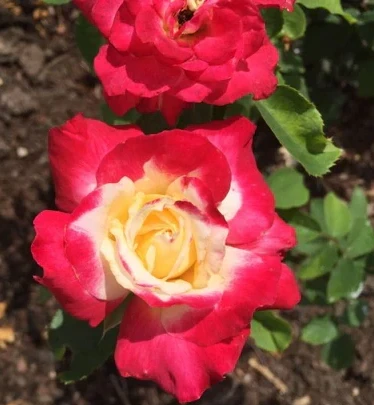
Best Garden Uses: Patios and walkways where the scent can be enjoyed.
- Pros: Striking contrast, showy, highly fragrant.
- Cons: Sometimes sensitive to powdery mildew if crowding is an issue.
Best For: Bold displays and cutting gardens. Read our full Double Delight Review →
5. Burst of Joy Rose
Overview: Floribunda variety with glowing orange petals, perfect for a splash of energy.
Why It is Unique: Vivid, almost neon like orange that does not fade as quickly in hot weather.
Flower Color: True orange, sometimes blending into apricot or gold at the base.
Fragrance: Soft, tea like aroma.
Mature Size: 3–4 feet tall, bushy shape.
USDA Zones: 4–9.
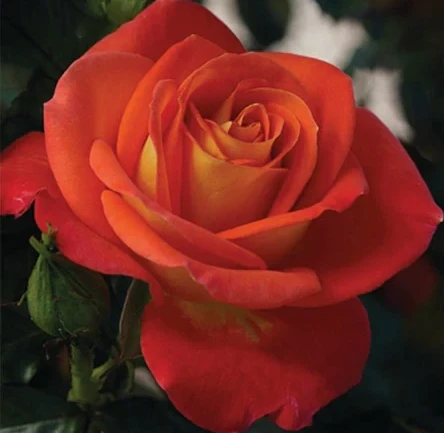
Best Garden Uses: Edges of sunny borders, containers, or for contrast planting.
- Pros: Compact, super colorful, disease resistant.
- Cons: Not very fragrant compared to others listed here.
Best For: Modern landscapes and orange fans. Read our full Burst of Joy Review →
6. Miss Congeniality Rose
Overview: Chic grandiflora that puts a modern spin on the classic white with a bold lipstick pink edge.
Why It is Unique: Super clean white petals with sharp colored edges, especially in cool weather.
Flower Color: Crisp white, with candy pink margins.
Fragrance: Light, subtle sweetness.
Mature Size: 4–5 feet tall.
USDA Zones: 5–10.
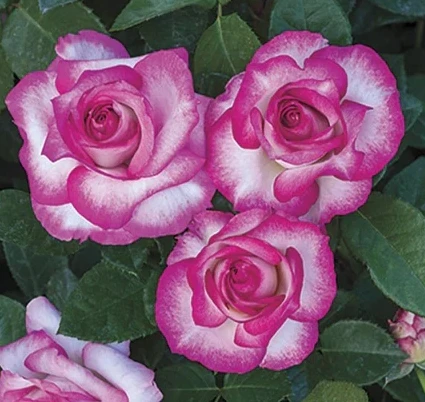
Best Garden Uses: All white bed plantings, or anywhere you want a modern vibe.
- Pros: Disease resistant, eye catching, tidy growth habit.
- Cons: On hot days, pink edge may fade a bit.
Best For: Urban gardens and formal beds. Read our full Miss Congeniality Review →
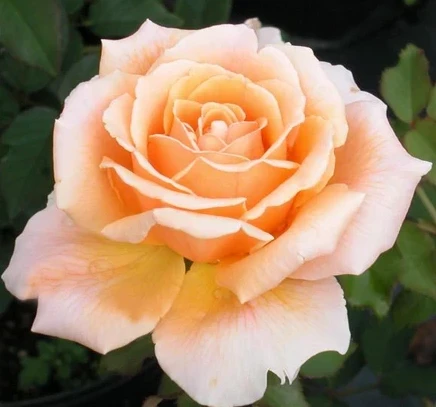
7. Just Joey Rose
Overview: This old school favorite is famous for its oversized, wavy apricot blooms and inviting scent.
Why It Is Unique: Warm, sunlit apricot color and massive blossoms with ruffled petals.
Flower Color: Glowing apricot fading to peach.
Fragrance: Rich and fruity, sometimes described as tropical.
Mature Size: 4–5 feet tall, broad.
USDA Zones: 7–9.
Best Garden Uses: Cottage gardens and traditional settings.
- Pros: Long blooms, unique color, strong scent.
- Cons: Likes a spot protected from wind; big flowers can be heavy.
Best For: Soft garden palettes and fans of large blossoms. Read our full Just Joey Review →
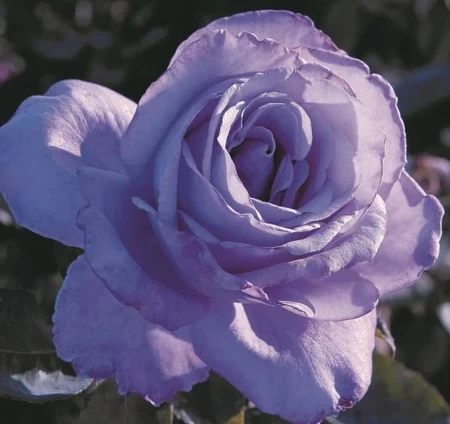
8. Blue Girl Rose
Overview: Hybrid tea rose with silvery lavender blue petals that look different in every light.
Why It Is Unique: The closest thing you will find to a blue rose; pale lavender infused with silver.
Flower Color: Silver lilac, glossy and cool toned.
Fragrance: Lightly sweet and fruity.
Mature Size: 3–4 feet tall.
USDA Zones: 4–9.
Best Garden Uses: Collector gardens and cutting displays.
- Pros: Rare hue, classic form, good for bouquets.
- Cons: May fade in extreme heat; best with some afternoon shade in southern zones.
Best For: Gardeners after novelty and romance. Read our full Blue Girl Review →
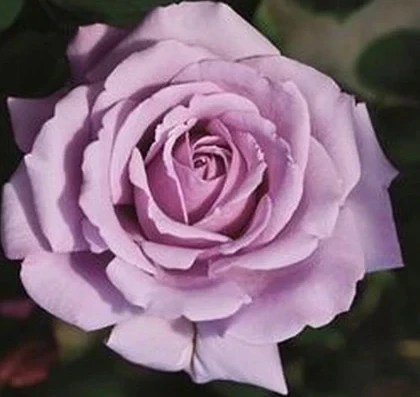
9. Love Song Rose
Overview: Floribunda with clusters of soft purple lavender blooms.
Why It Is Unique: Rounded blooms in a wash of purple that lasts well in a vase and on the bush.
Flower Color: Mauve lilac, shifting with weather and soil.
Fragrance: Moderate, hint of citrus.
Mature Size: 3–4 feet tall.
USDA Zones: 6–10.
Best Garden Uses: Bedding, borders, or anywhere you want quick color repetition.
- Pros: Masses of flowers, softer pastel, long-blooming.
- Cons: Not as heavily scented as other lavenders.
Best For: Gifting or borders with purple perennials. Read our full Love Song Review →
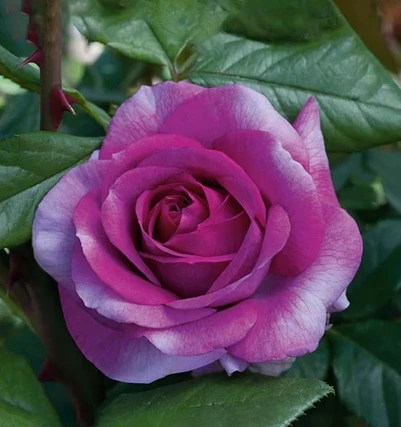
10. Perfume Factory Rose
Overview: Bold, magenta violet blooms packed with a fragrance you can smell yards away.
Why It Is Unique: Luminous, rich magenta color rarely found in hybrid teas and an amazing scent.
Flower Color: Violet rose with fuchsia tones and glowing centers.
Fragrance: Powerful, orange scented spice.
Mature Size: 4–5 feet tall.
USDA Zones: 6–10.
Best Garden Uses: Scented gardens and as a centerpiece rose.
- Pros: Very fragrant, eye catching color.
- Cons: May need deadheading for best repeat blooming.
Best For: Fragrance fans and centerpiece displays. Read our full Perfume Factory Review →
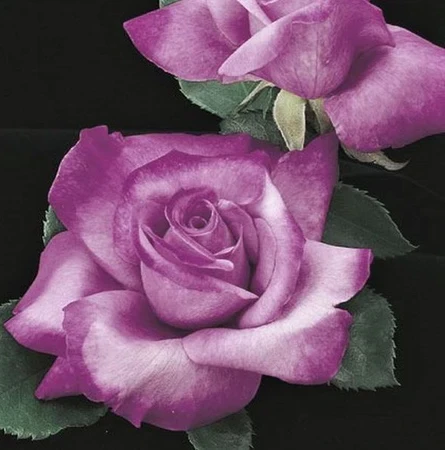
11. Fragrant Plum Rose
Overview: Grandiflora with multicolor lavender to plum tones and a reputation for powerful scent.
Why It Is Unique: Heavy scented lavender blooms that darken to nearly plum purple.
Flower Color: Starts silvery, matures to deep blue purple.
Fragrance: Strong, fruity and spicy.
Mature Size: 4–5 feet tall.
USDA Zones: 5–9.
Best Garden Uses: Hedges, specimen beds, and fragrance collections.
- Pros: Gorgeous transitions, top tier scent, good reblooming.
- Cons: Needs fertilizing for peak color and blooms.
Best For: Multi color borders and fragrant spots. Read our full Fragrant Plum Review →
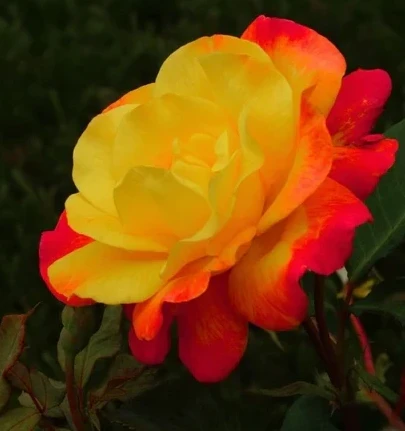
12. Joseph’s Coat Rose
Overview: Climbing rose with clusters of flowers in red, orange, yellow, and pink on the same bush.
Why It Is Unique: Color changes daily and across petals, making it look like a rainbow on a fence.
Flower Color: Fiery yellow to magenta red, striped and blended.
Fragrance: Light and sweet.
Mature Size: 7–10 feet long canes, rambling habit.
USDA Zones: 6–10.
Best Garden Uses: Arches, trellises, fences, anywhere you want a spectacle.
- Pros: Super showy, great for covering spots quickly.
- Cons: Needs sturdy support; bloom color may vary with sunlight.
Best For: Structure coverage and color statement. Read our full Joseph’s Coat Review →
Which Unusual Rose Is Best for Your USDA Zone?
- Zone 4: Burst of Joy
- Zone 5: Ebb Tide, Neptune, Just Joey, Double Delight, Joseph’s Coat, Love Song (with winter mulch)
- Zone 6: Any listed above; all thrive, but extra winter care helps with Blue Girl and Fragrant Plum.
- Zone 7: All twelve flourish; pick based on color and garden design.
- Zone 8: Great for heat lovers like Burst of Joy, Joseph’s Coat, Twilight Zone.
- Zone 9: Excellent conditions for Perfume Factory, Miss Congeniality, and nearly every climber or floribunda here.
- Zone 10 : Joseph`s Coat, Perfume Factory and Love Song
Best Unusual Roses by Garden Style
- Cottage Gardens: Just Joey, Fragrant Plum, Double Delight
- Small Gardens: Miss Congeniality, Burst of Joy, Love Song
- Containers: Blue Girl, Neptune
- Climbing Displays: Joseph’s Coat
- Cut Flower Gardens: Neptune, Perfume Factory, Double Delight
- Pollinator Gardens: Ebb Tide, Just Joey, Love Song
- Modern Landscapes: Twilight Zone, Miss Congeniality, Burst of Joy
Most Fragrant Unusual Roses
- Perfume Factory
- Fragrant Plum
- Ebb Tide
- Neptune
- Double Delight
- Just Joey
Which Rose Color Fits Your Garden Personality?
Pick a rose that matches your garden’s style or your mood:
- Purple – Romantic: Try Twilight Zone or Love Song for a dreamy, whimsical vibe.
- Green – Minimalist: While not listed above, green roses like ‘Green Ice’ can work as accents for simple, clean spaces.
- Orange – Bold: Burst of Joy brings real energy and attention.
- Striped – Creative: Joseph’s Coat puts on a color show that looks different every day.
- Bicolor – Classic with a Twist: Double Delight and Miss Congeniality add a modern touch without straying too far from traditional looks.
Buying Guide
- Bareroot vs Potted Roses: Bareroot roses are shipped dormant and are great if you want to plant in early spring. Potted roses offer instant gratification and can be planted later in the season.
- Choosing Healthy Plants: Look for well branched, disease free canes (stems), especially if purchasing in person. Leaves should be green, with no blackspot or powdery mildew.
- When to Plant: Early spring or fall is best in most climates. Aim for before summer heat really kicks in.
- What to Look for Before Ordering: Double check the USDA zone, mature size, flower color, fragrance, and disease resistance. Reviews from other buyers offer some honest feedback.
- Buying from Reputable Nurseries: Established online nurseries like Nature Hills stand out because they provide accurate info, zone guidance, and ship at the right time for your area. Shopping online can also help you score rare varieties that local stores rarely stock. Plus, these nurseries usually offer plant guarantees and updated info about stock and shipping dates.
Frequently Asked Questions
What is the rarest rose color?
Green is super rare for roses, but clear lavender, deep blue purple, and multi color striped roses are also uncommon in American gardens.
Can you grow unusual roses in containers?
Absolutely! Compact shrub, floribunda, and hybrid tea roses like Neptune and Blue Girl do really well in big pots.
Which unusual rose has the strongest fragrance?
Perfume Factory and Fragrant Plum are known for very strong, pleasant scents.
Are blue roses real?
True blue pigment does not exist in roses. What we call blue is always lavender, lilac, or purple. Some breeders are experimenting with genetic modification, but nothing truly blue is on the market yet.
Which unusual rose blooms the longest?
Burst of Joy and Miss Congeniality are pretty consistent bloomers, keeping color going from spring to frost if you deadhead spent blooms.
Which unusual roses are easiest for beginners?
Miss Congeniality, Burst of Joy, and Love Song are all forgiving and easy to grow.
Which unusual roses are best for cold climates?
Look for ones hardy to zone 5, like Ebb Tide, Neptune, and Joseph’s Coat (with mulch).
Which unusual roses are disease resistant?
Miss Congeniality, Burst of Joy, and Love Song have great reputations for disease resistance.
Final Recommendations
- Best Overall: Double Delight
- Best Purple: Twilight Zone
- Best Lavender: Neptune
- Best Bicolor: Miss Congeniality
- Best Climber: Joseph’s Coat
- Best Fragrance: Perfume Factory
- Best Container Rose: Blue Girl
- Best Beginner Rose: Burst of Joy
- Best Collector’s Rose: Ebb Tide
Wrapping Up
Adding unusual rose colors to the garden brings something truly different; unique tones, big personality, and a story that goes beyond traditional red and pink.
Picking the right variety for your USDA zone and taking the time to source plants from reputable nurseries gives you a better shot at long-lasting success.
Curious to dig even deeper?
Check out my in-depth rose reviews for hands-on growing tips, more photos, and up-to-date purchasing options.
The more you know, the better your garden will thrive.
Happy gardening !!!!!!!!!!!!
Here’s a little transparency: Our website contains affiliate links. This means if you click and make a purchase, we may receive a small commission. Don’t worry, there’s no extra cost to you. It’s a simple way you can support our mission to bring you quality content.”
I’m glad I found this site with so much helpful advice. I’ve learned a lot about rose varieties. This is quite a list of beautiful roses. I think the most experience I’ve had with roses is with climbing varieties. The first one I planted was Joseph’s Coat. I was just a beginner. I remember we had a huge problem with Japanese beetles.
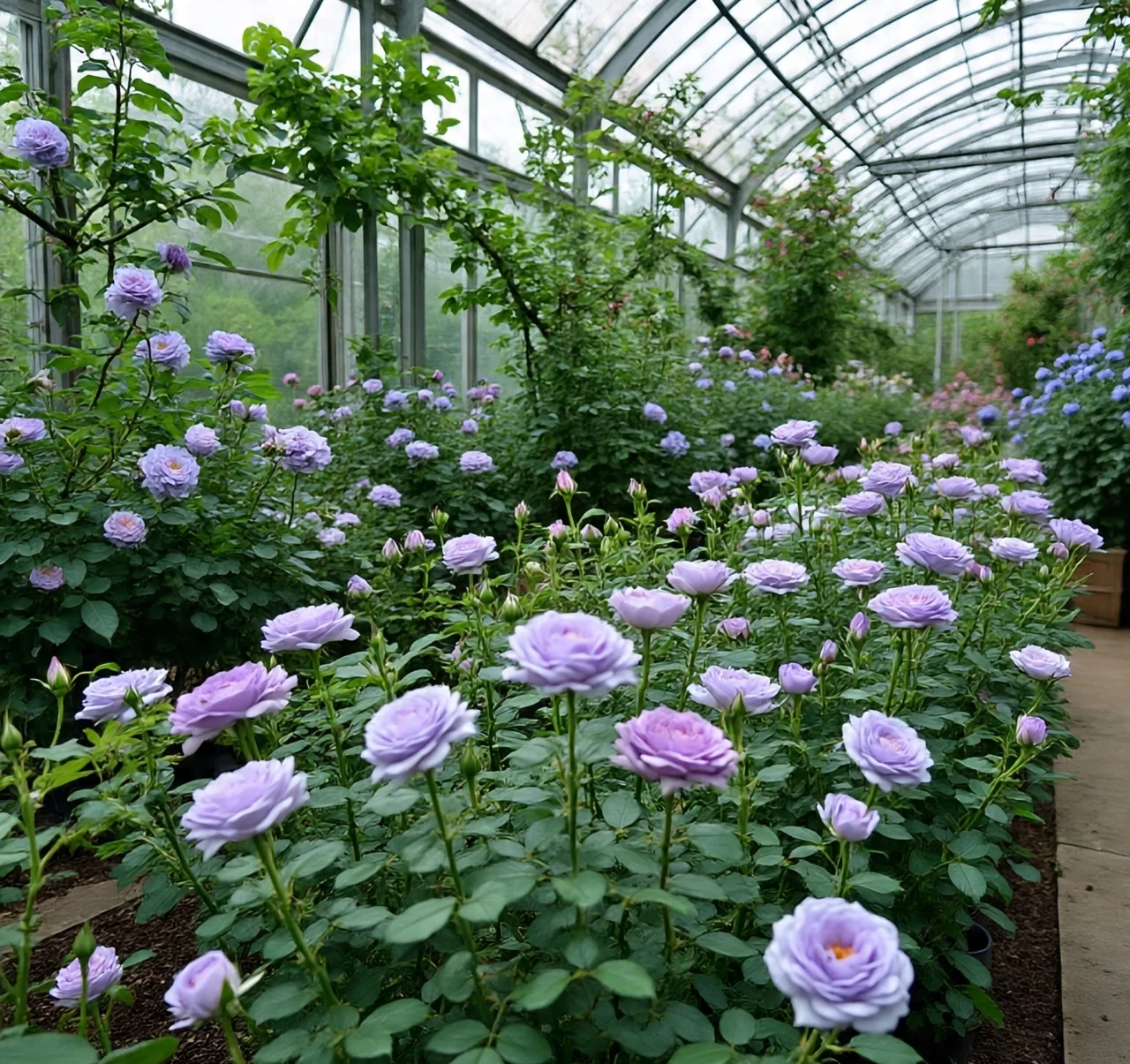
I really liked the pictures here of the different varieties together in the garden. It’s inspired me to look into this more for next year.
When is the best time to plant a rose bush? And the best time to prune? How much should they be pruned each year?
– Scott
Hi Scott,
Thank you for your kind comment!
I am delighted to hear that you found the article helpful and that it is inspired you to explore more rose varieties for next season.
Joseph’s Coat is a wonderful climbing rose, especially for beginners.
Its changing blend of yellow, orange, pink, and red blooms makes it a real showstopper.
Unfortunately, I can certainly relate to your experience with Japanese beetles—they can be one of the biggest challenges for rose growers.
Regular monitoring, hand-picking the beetles early in the morning, and using appropriate biological or organic control methods can help keep their numbers under control.
To answer your questions:
The best time to plant a rose bush depends on the type of rose. Bare-root roses are best planted while they are dormant, typically in late fall through early spring. Container-grown roses are more flexible and can be planted in spring or autumn, provided the ground is not frozen and temperatures are not excessively hot. Also check with your nursery which variety is best suited for your growing zone
The best time to prune is usually in late winter or early spring, just as new buds begin to swell but before vigorous new growth starts. This timing allows you to remove winter damage and encourages healthy new shoots.
How much to prune depends on the rose type, but for most hybrid teas and floribundas, reducing the plant by about one-third to one-half each year is a good general guideline.At the same time, remove any dead, diseased, weak, or crossing stems to improve airflow and encourage stronger flowering. Climbers like Joseph’s Coat require a slightly different approach, with the main framework retained and older flowering side shoots shortened after the main flowering season.
Thanks again for stopping by and sharing your experience.
I wish you all the best with your roses next year, and I hope you will let me know which varieties you decide to add to your garden!
Happy gardening!