
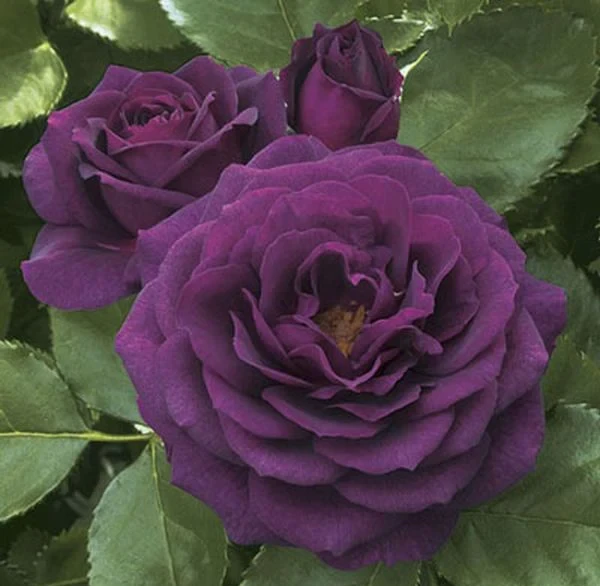
If you are after a rose that will grab attention and keep people guessing, Ebb Tide is probably near the top of your list.
This is one of those purple roses you see in photos and wonder if the colors are even real.
There is a good reason gardeners get almost obsessed with purple roses.
Finding a true, bold purple is not easy.
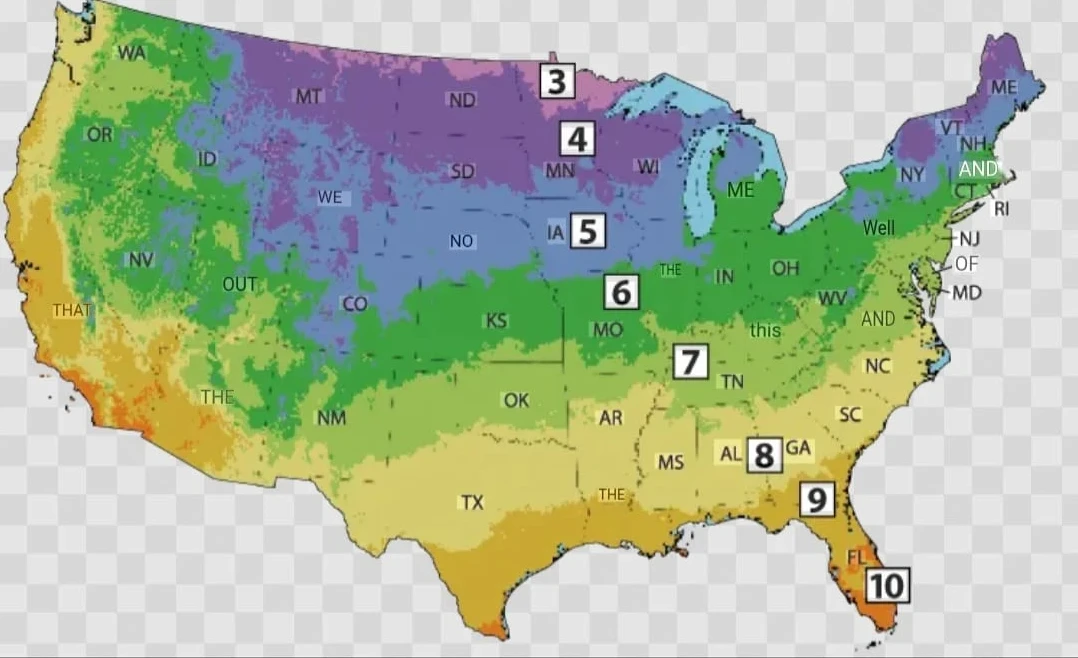
Ebb Tide fits the bill for anyone who wants something moody, fragrant, and manageable in their home garden, especially if you are somewhere in USDA Zones 5 through 9.
I have grown a lot of old-school and modern roses, and Ebb Tide is one that really stands out for collectors and casual gardeners alike.
If you are into unusual colors, enjoy old-fashioned rose shapes, or just want a head turning plant that is not a diva about weather, this review is for you.
I cover the main features, my firsthand growing experience, and practical tips for maximizing success in climates where weather swings are normal.
You will find everything you need to decide if Ebb Tide deserves a spot in your garden beds, borders, or even containers.
Table of Contents
- Quick Verdict
- Ebb Tide Rose at a Glance
- What Makes Ebb Tide Rose Special?
- Flower Color and Bloom Characteristics
- Fragrance Review
- Growing Ebb Tide in USDA Zones 5–9
- Soil Requirements
- Sunlight Requirements
- Water Requirements
- Fertilizing Schedule
- Pruning Guide
- Disease Resistance
- Is Ebb Tide Good for Containers?
- Garden Design Ideas
- Companion Plants
- Pros and Cons
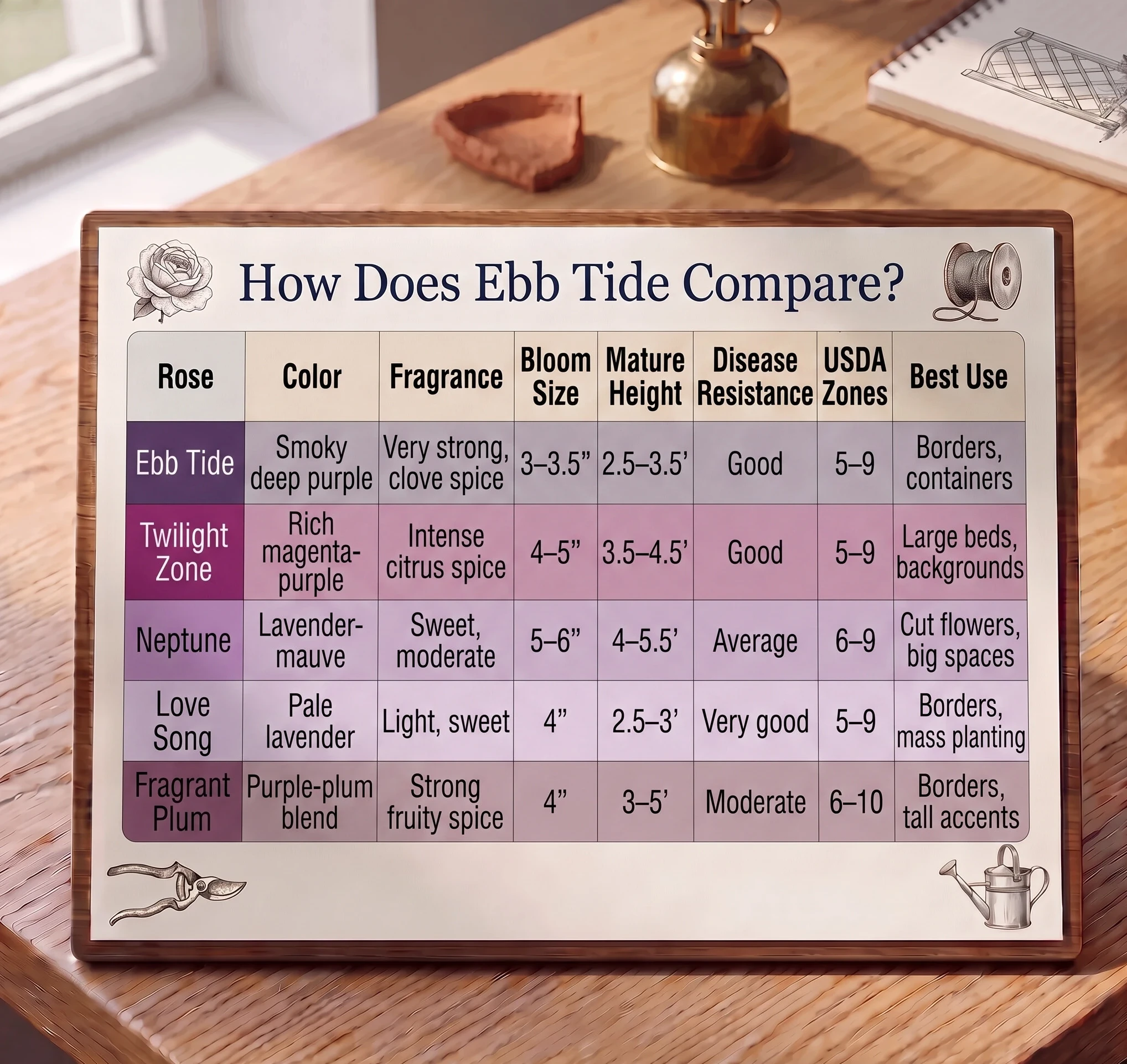
- How Does Ebb Tide Compare?
- Who Should Buy Ebb Tide Rose?
- Where to Buy Ebb Tide Rose
- Frequently Asked Questions
- Final Verdict
- Related Articles
Quick Verdict
Ebb Tide is one of the most unique and reliable purple roses you can grow in USDA Zones 5–9. Its smoky plum color, strong clove fragrance, and repeat blooming habit check nearly every box for collectors and beginners alike. It thrives in borders, containers, and small gardens. With a little care, it stands up to both cold snaps and summer heat.
- Overall Rating: 4.7/5
- Best For: Bold color, fragrance, and container growth in cold or warm climates
- Main Drawbacks: Color tends to fade in extreme heat; prefers consistent feeding and good air circulation
- Top Features: Smoky purple flowers, strong scent, compact size
What Makes Ebb Tide Rose Special?
Ebb Tide brings together a mix of traits that rose lovers look for.
Its smoky purple blooms really pop in the garden, and the old-fashioned, high-petal flower shape offers an elegant feel.
The strong clove scent catches your nose from several feet away, especially on warm afternoons.
It does not just bloom once.
Ebb Tide pumps out clusters from spring through fall, making it a workhorse for continuous color.
The compact growth makes it perfect for containers or garden borders, and it has picked up awards at rose trials, which is pretty rare for a purple rose.
I know a lot of collectors who consider it a musthave, not just because of the color, but for the scent and reliability.
The combination of all these features makes Ebb Tide one of the easiest purple roses to grow at home.
It also stands up well against common garden challenges, making it a solid choice for gardeners at any skill level.
Flower Color and Bloom Characteristics
Buds on Ebb Tide start out nearly black-purple, with a velvety sheen.
As blooms open, you get this deep, smoky plum color that can look almost unreal, especially in morning light.
The color does not stay static, though. Cool nights trigger even deeper purple tones, while intense summer sun can lighten the petals to a richer mauve-plum or even a faded amethyst shade.
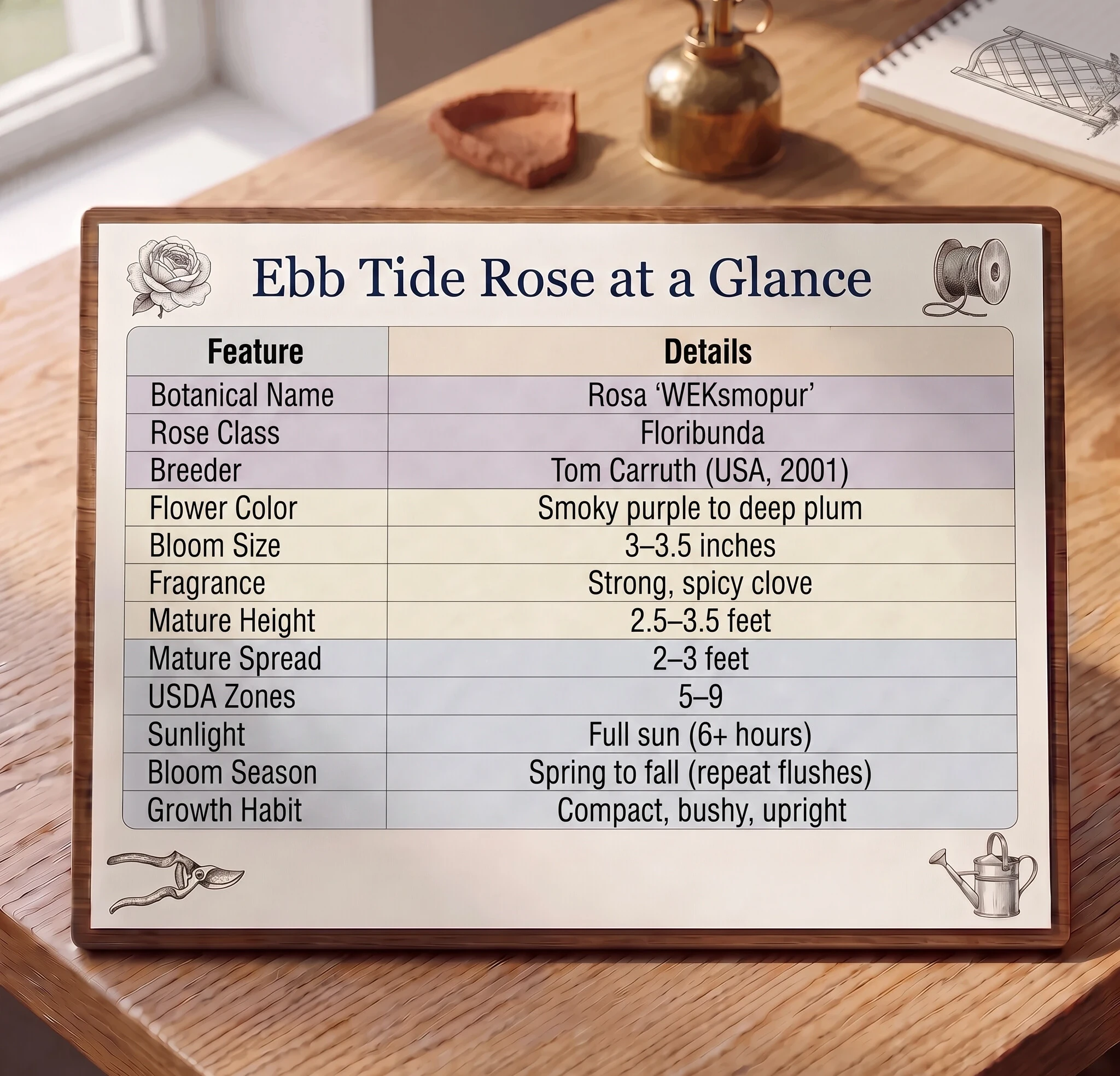
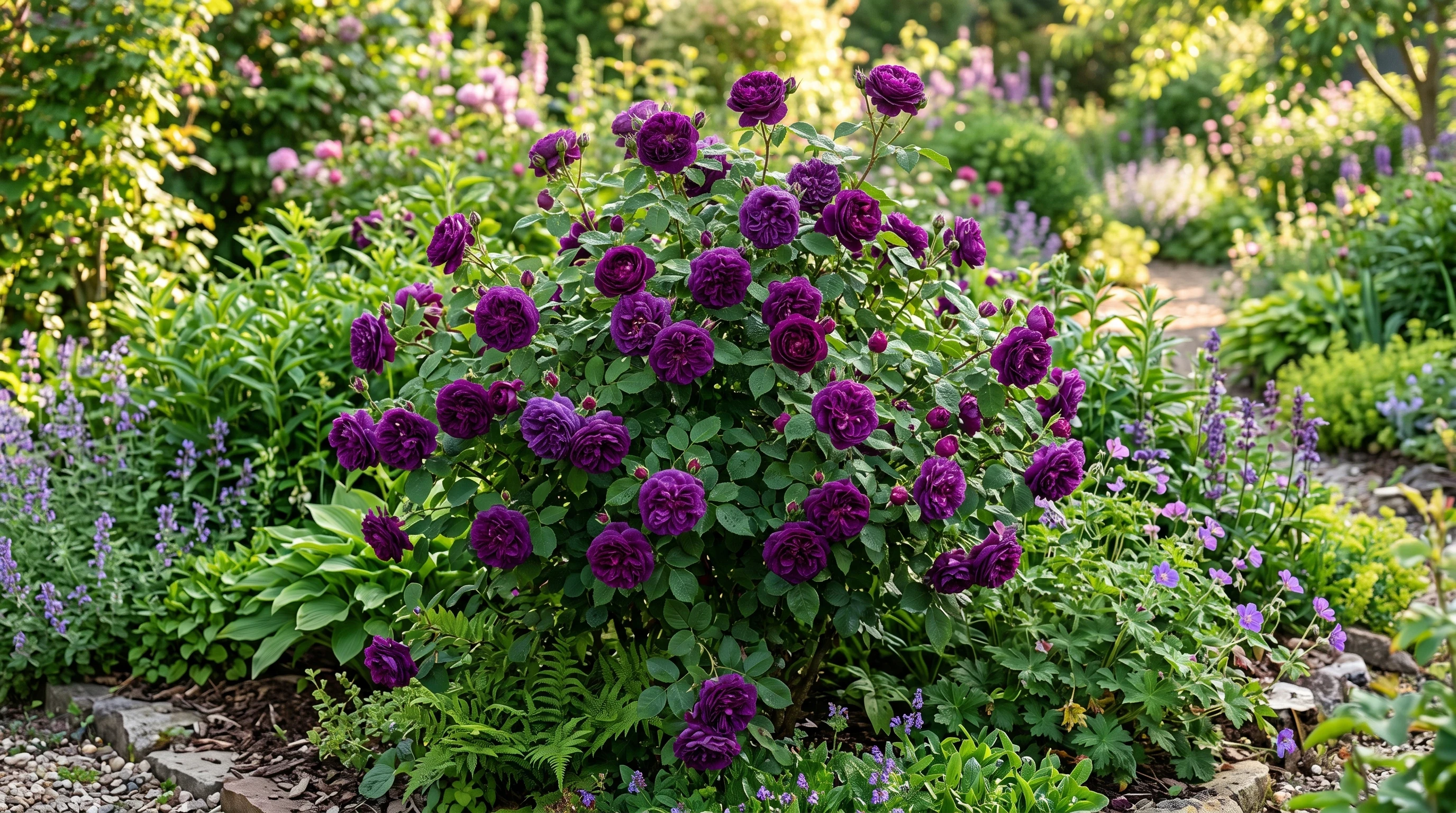
Fully opened blooms measure about 3 to 3.5 inches, with a lush, ruffled shape and about 20–30 petals per flower.
The blooms hold up well to weather, lasting a solid 4–5 days on the bush, and they age gracefully, often fading to antique lavender before dropping cleanly.
Ebb Tide looks stunning against green foliage and stands out in cut flower arrangements.
If you are after that eye-catching twist in your borders or bouquets, this one seriously delivers—few roses come close to its next level cool color impact.
Fragrance Review
The fragrance is a stand- out feature.
On days when the weather hits 70°F and the air is still, the scent wafts across the garden in waves; spicy, clove-like, and full-bodied, almost like antique carnation perfume.
In the early morning, the scent is lighter, but by midafternoon it becomes much more intense, especially after a light rain or watering.
Compared with other fragrant roses, Ebb Tide is firmly in the top tier.
If you like strongsmelling roses (think Fragrant Plum or Double Delight), you will love this one.
- Fragrance Intensity: 5/5 in peak conditions
- Scent Notes: Clove, spice, sweet undertones
- Best Time to Smell: Warm afternoons and evenings
Growing Ebb Tide in USDA Zones 5–9
Adapting Ebb Tide for your zone means tackling a few seasonal challenges tailored to your weather.
Here is a closer look at what works in different USDA zones:
USDA Zone 5
In Zone 5, winter protection pays off.
Ebb Tide survives cold snaps if you mulch heavily with leaves or straw (4 inches deep works for me) after the first frost.
Wrapping the base in burlap or using a rose collar for extra insulation helps as well.
The shrub leafs out faithfully in spring and puts out its best color when daytime temps are mild.
Choosing a slightly sheltered spot, such as near a fence or south-facing wall, gives an extra boost against biting winds.
Keep in mind, late freezes can knock back early growth, so keep mulch in place until consistent spring warmth arrives.
USDA Zone 6
Zone 6 gardeners get an easier ride.
Ebb Tide appreciates basic winter mulching and a quick cleanup in spring.
As long as the soil drains well and you avoid waterlogged areas, blooms come steadily, and the fragrance is strong by early summer.
During those occasional spring temperature swings, check soil moisture after heavy downpours and avoid letting roots sit wet for too long.
Once temperatures stabilize, fresh mulch helps lock in moisture and keeps weeds at bay.
USDA Zone 7
This is prime territory for Ebb Tide.
Winters are rarely too tough, and summers woulg not fade the color much.
Expect near constant bloom cycles from late April into fall if you deadhead regularly and feed it a couple of times during the season.
With a mix of warm days and cooler nights, the purple tones go rich and the bush stays vigorous. In dry spells, a quick mulching session maintains even moisture.
USDA Zone 8
Zone 8 can get hot. Ebb Tide does just fine with morning sun and some afternoon shade.
The trick here is mulching to keep roots cool and watering before the hottest part of the day.
You will notice blooms stay more vibrant with this setup, even during heat-waves. If you garden in a spot prone to reflected heat (near pavement or walls), using taller companion plantings to shield the rose after 2pm gives an edge, keeping those blooms from fading too fast.
USDA Zone 9
In hot southern and western areas, Ebb Tide grows best with dappled afternoon shade, especially from 2 pm onward.
Regular summer mulching keeps things from drying out, and spraying the foliage midmorning (not afternoon) helps the plant bounce back on scorching days.
It is worth keeping a close eye on hydration here.
In pots, shade the roots with extra compost mulch and water more often, since containers dry out faster.
Use a light- colored or glazed pot to help reflect heat, further protecting the roots.
Soil Requirements
Loose, well-draining soil is super important for Ebb Tide. Think sandy loam, not heavy clay.
A slightly acidic pH, between 6.0 and 6.5, supports strong root growth and keeps flower color true.
I add lots of compost or aged manure every spring. If you garden in sandy soil, work in peat moss to hold moisture.
For clay areas, gypsum and bark fines help with drainage.
Regularly amending your soil, especially after heavy rain seasons, will keep nutrients balanced and your rose happy year after year.
Sunlight Requirements
Ebb Tide is at its best in full sun, meaning a minimum of six hours of direct light per day.
In very hot regions (Zones 8–9), afternoon shade stops blooms from bleaching out.
Not enough sunlight leads to fewer flowers and weak stems, so be generous with sun but do not be afraid to shield it in peak summer if you notice blooms shrinking or fading.
For gardens surrounded by tall trees, place your rose where it will get morning and midday sun for the most vibrant color.
Water Requirements
Watering is pretty straightforward for Ebb Tide:
- First Year: Keep soil constantly moist but never soggy. Water at the base about twice a week, adjusting for heavy rains or heat.
- Established Plants: Deep soak once a week, letting the top couple inches of soil dry out before watering again. In hot weather, check twice weekly as needed.
- Drought Tolerance: Ebb Tide is not as drought tough as some shrub roses but bounces back well with consistent hydration and mulch.
Remember, early morning watering keeps foliage from staying wet overnight, which cuts down on disease risk.
Use mulch to lock in moisture and reduce watering frequency during long stretches of dry or windy weather.
For container roses, the soil may dry much faster, so always check with your finger to judge when to add water, adjusting as the season heats up.
Fertilizing Schedule
Feed Ebb Tide as leaves start to push in early spring with a granular rose fertilizer.
Repeat six weeks later and once after the first flush of blooms.
Avoid any fertilizer high in nitrogen—it wll give you leaves but fewer flowers.
Stop feeding six weeks before your usual frost date if you are north of Zone 7. If you prefer organic options, a blend of bone meal, fish emulsion, and alfalfa pellets offers a slow, steady feeding.
Water well after each fertilizing for even uptake, and consider adding a liquid Kel-P feed in midsummer to pump up both bloom count and color intensity.
Pruning Guide
Prune annually in late winter or very early spring, cutting back about one third of the plant to healthy, outwardfacing buds.
Remove any dead or old brown wood, and snip faded blooms through summer to encourage repeat flowering.
For winter, leave the last round of rose hips in place to help the shrub harden off naturally in Zone 5–6.
If you get late frost damage, simply wait for new shoots to emerge, then prune back to healthy growth.
Regular pruning not only shapes the bush but also encourages strong air circulation, making the plant more resilient to problems down the line.
Disease Resistance
Ebb Tide is pretty tough, but like most floribundas, it can get spots or mildew if conditions are rainy and air circulation is poor.
Here Is what I find works:
- Black Spot: Tends to resist it well but will spot if leaves are constantly wet. Plant with space for air movement and avoid overhead evening watering.
- Powdery Mildew: Rare, but shows up during spring cold snaps. Prune the center open and clear out fallen leaves around the base.
- Rust: Seen in damp, chilly weather. Remove any yellowing leaves quickly.
Spray with neem oil or an organic rose fungicide if you notice persistent issues, but Ebb Tide generally bounces back with a good trim and clean-up.
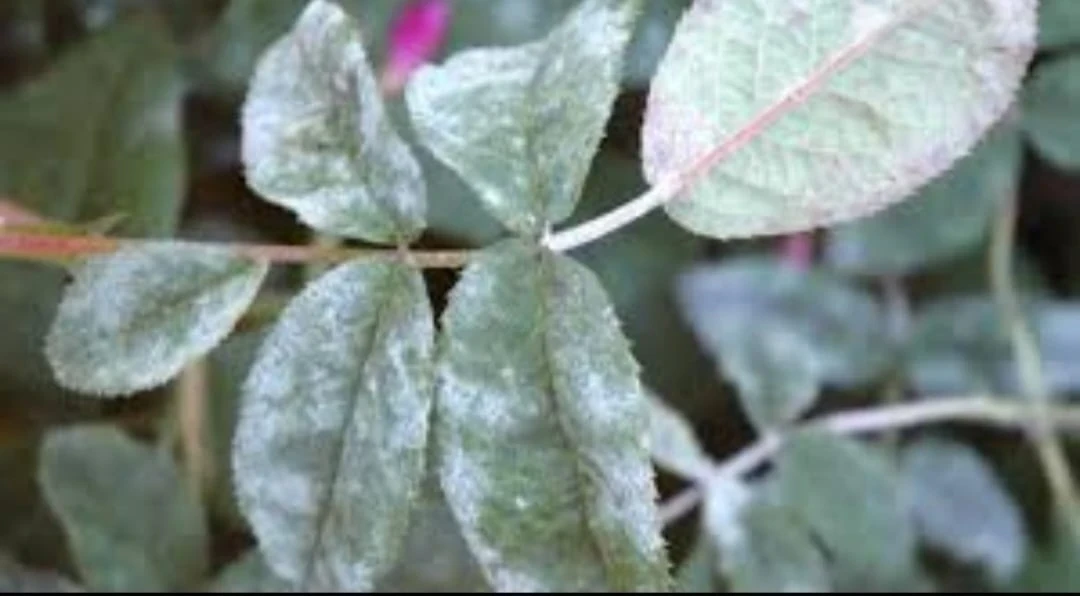
Mulching also helps block soil splash, a common way diseases spread—just remember not to pile mulch right against the stem.
If your climate is especially prone to humid spells, spacing roses a bit farther apart further tones down any trouble.
Is Ebb Tide Good for Containers?
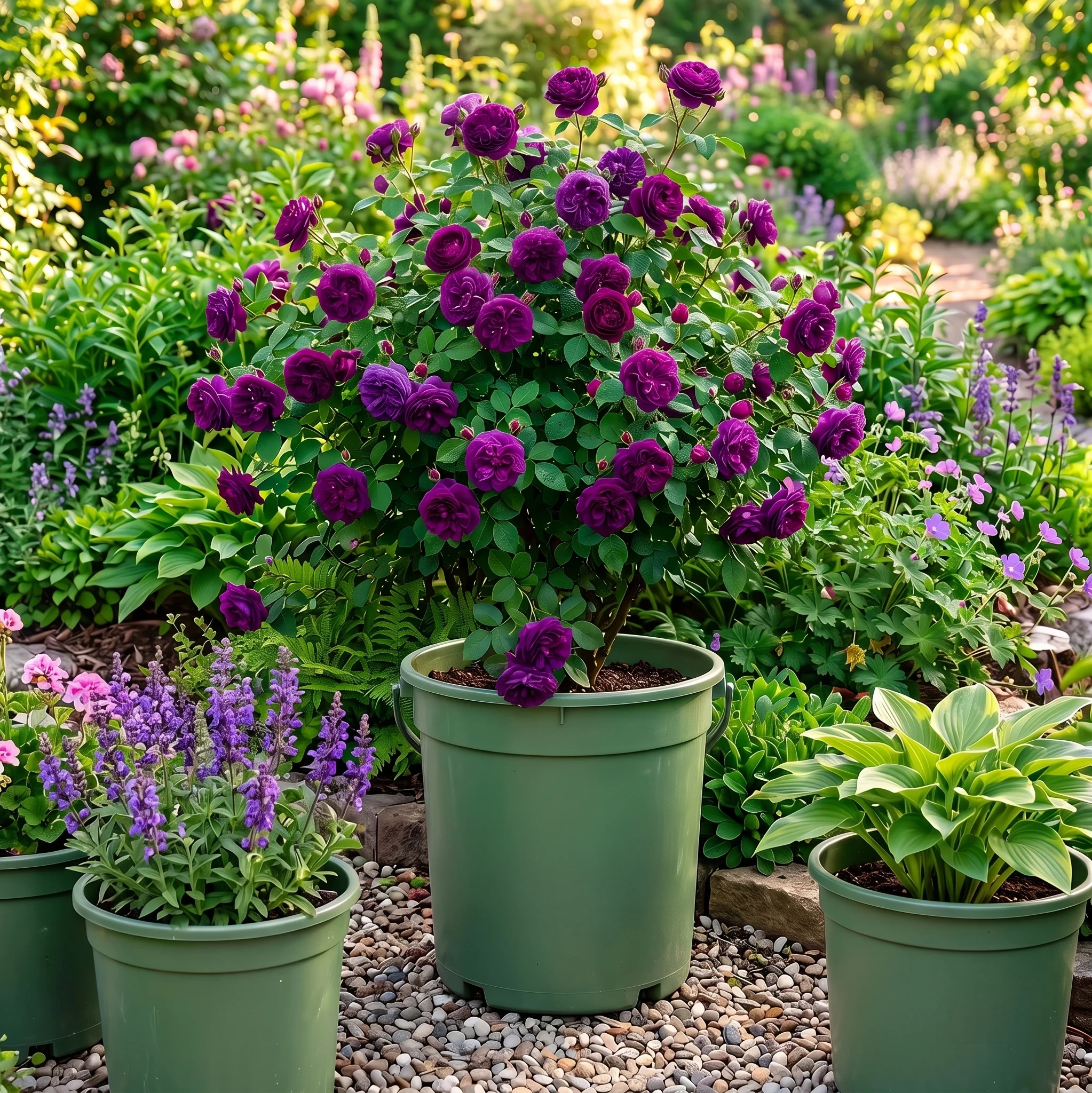
Ebb Tide is one of the best roses for pots or planters.
Go for a container at least 18 inches wide and deep. Use a top-quality potting mix with compost and perlite added for drainage.
Water more frequently in hot weather (every 2–3 days during summer). Feed with a slow-release fertilizer spring and midsummer.
In winter, move the pot to a sheltered spot or cover the base with leaves above the root line if youare in Zones 5–6. Large planters also allow you to combine Ebb Tide with compact companions like creeping thyme or mini iris for bonus color and texture.
If starting with a young plant, remember that containers heat up and cool down faster than ground beds, so monitor closely during seasonal transitions.
Garden Design Ideas
Ebb Tide fits well in almost any garden style.
I have seen it work beautifully in cottage gardens alongside fox gloves, or tucked in mixed borders where its color pops against green.
It is a natural for purple themed layouts and works really well where you want both fragrance and color near patios or entryways.
Clipped as a low hedge, it defines borders.
And if you love homegrown bouquets, cut stems last several days in a vase. For a more unexpected look, pair it with ornamental grasses for movement and a touch of wild structure, or plant a grouping near entry paths so you and visitors get a hit of scent every time you pass by.
If you have got a rooftop or balcony space, Ebb Tide’s compact form and vibrant color let you transform even small spots into a fragrant retreat.
Companion Plants
Pair Ebb Tide with plants that bring out or soften its purple vibe while sharing similar light and soil needs.
Some personal favorites:
- Lavender – matches the purple shades and brings a bonus scent
- Catmint (Nepeta) – softens the base and attracts pollinators
- Salvia – deeper blue spikes amplify the moody color
- White Shasta Daisy – adds a fresh contrast and brightness
- Russian Sage – feathery foliage and silver tones play nicely with the deep blooms
- Boxwood – classic green backdrop or edging for a formal look
- Silver Artemisia – silvery leaves cool down the palette
Incorporating bulbs like allium or tulips can also stretch your garden’s color window, providing early interest before Ebb Tide blooms get going.
For a lush effect, underplant with lowgrowing ground covers like alyssum, which also helps keep weeds in check and soil moist.
Co-ordinating the bloom times and foliage textures of companions will make your Ebb Tide planting look intentional and wellcomposed all season long.
Pros and Cons
Ebb Tide hits a sweet spot for a lot of home gardeners, but like any rose, it comes with a few quirks.
- Pros:
-
- Strong clove fragrance
- Excellent repeat blooming
- Unique, smoky purple flowers
- Compact growth – perfect for small spaces and pots
- Works in both borders and containers
- Cons:
-
- Bloom color can fade in intense heat
- Needs good airflow to prevent disease
- Performs best with regular feeding
While not totally unbeatable, the benefits outweigh the few issues for most gardeners.
A little preparation ensures Ebb Tide shows off its full potential each season without major headaches.
Who Should Buy Ebb Tide Rose?
Ebb Tide is a good fit if you are just starting with roses and want something manageable, or if you are a collector craving a real purple that does not wimp out in tough weather.
It makes sense for people with cottage or small urban gardens, or anyone wanting a big fragrance hit in a smaller space.
If you love growing in containers or want to build a cut flower collection, it is easy to use.
Just be ready to protect it if you are in the coldest parts of Zone 5 or below.
Not a perfect match if you live in an area colder than recommended USDA zones and canot provide winter protection, or if you want classic hybrid tea–sized blooms instead of clustered floribundas.
For those whose gardens get very little morning sun, choose another variety adapted to lowlight—Ebb Tide really shines with ample sunshine.
Where to Buy Ebb Tide Rose
When shopping for Ebb Tide, look for plants with at least three healthy canes, a vibrant root system (not bonedry), and a size that is right for your climate.
Some nurseries ship bare root in early spring for easier transplanting, while others send potted roses later in the season.
Always check that the variety is labeled “Ebb Tide” (not a generic purple rose) and is listed for USDA Zones 5–9.
Buying from established online nurseries like Nature Hills or Heirloom Roses means you will usually get more detailed plant info, helpful customer support, and clear shipping windows for your climate.
I like that these sources provide care sheets and are clear about zone adaptations, especially when shipping long distances.
If you have a local rose society, ask around or check their plant sales—sometimes you can stumble upon Ebb Tide at a bargain or get firsthand advice from rose enthusiasts in your area.
Frequently Asked Questions
Q: Is Ebb Tide really purple?
A: Yes. Ebb Tide’s color leans toward smoky plum, especially in spring and fall. High summer heat sometimes softens the saturation, but it never looks just “red” or “pink” like some so-called purple roses.
Q: How fragrant is Ebb Tide?
A: Super fragrant; think of a blend of cloves, spice, and a little sweetness. You do not have to bend down to smell it.
Q: Does Ebb Tide bloom all summer?
A: Yes. It is a repeat bloomer, putting out waves of flowers from spring to frost with regular deadheading.
Q: Can Ebb Tide grow in containers?
A: Absolutely, it is compact and handles pots great if you water and feed regularly.
Q: How tall does Ebb Tide get?
A: About 2.5 to 3.5 feet tall with similar width, making it easy to fit in most landscapes or patios.
Q: Is Ebb Tide disease resistant?
A: Yes. Generally strong resistance to black spot and mildew with good care.
Q: Is Ebb Tide suitable for beginners?
A: For sure. Just follow some basic rose care routines and you will get great results.
Q: Can Ebb Tide tolerate hot summers?
A: Yes, with afternoon shade and hydration it stays healthy and keeps blooming even in the heat.
Q: What companion plants grow well with Ebb Tide?
A: Try lavender, salvia, or white daisies for an easy, coordinated look that supports pollinators.
Final Verdict
Ebb Tide stands out for its one of a kind smoky purple color, knockout fragrance, and compact size that fits almost any sunny garden spot from Zone 5 up to Zone 9.
With rewarding blooms, manageable care, and decent disease resistance, it is a solid buy whether you are a newbie or a rose collector who’s tired of faded “purple” imposters.
With a little mulch in winter and regular water and feeding, you wll enjoy its color and scent for months every year.
Bottom line: If you want a rose that gets people talking, smells amazing, and is surprisingly easy to manage, Ebb Tide should top your list.
Keep Exploring More Roses
- Best Unusual Rose Colors for American Gardens: 12 Rare Roses for USDA Zones 4–10
- Twilight Zone Rose Review
- Neptune Rose Review
- Fragrant Plum Rose Review
- Love Song Rose Review
Happy gardening!!!!!!!
Here’s a little transparency: Our website contains affiliate links. This means if you click and make a purchase, we may receive a small commission. Don’t worry, there’s no extra cost to you. It’s a simple way you can support our mission to bring you quality content.”
I really enjoyed this review because you went beyond simply describing the rose—you talked about how it performs in the garden, which is what most gardeners really want to know. The color is certainly striking, but I also appreciate that you discussed fragrance and growing conditions. A beautiful bloom isn’t much help if the plant struggles every season.
One thing I’ve learned about gardening is that patience is often rewarded. Plants can take a season or two to really settle in, so it’s encouraging to hear when a variety continues to improve as it becomes established. It makes me more willing to give a plant time before deciding whether it’s a success or not.
My wife really loves purple, so I need to find this rose. I know we have some room for this in our new condo garden. I hope I can find it locally. I’m in zone 6.
– Scott
Hi Scott,
Thank you so much for your kind comment.
I amm really happy you appreciated that I focused on the rose’s garden performance as well as its appearance.
I think that is one of the most important considerations when choosing a rose. A beautiful bloom is wonderful, but it is even better when the plant is healthy, repeat-flowering, and performs reliably year after year.
I could not agree more with your point about patience. Roses often need a season or two to establish a strong root system before they truly show what they are capable of.
Once they are settled, they usually reward gardeners with more vigorous growth, better disease resistance, and an abundance of blooms.
Since you are in USDA Zone 6, Ebb Tide should grow very well in your area with the right care.
Just give it a sunny location with at least six hours of direct sunlight, fertile well-drained soil, and regular watering during dry periods. If your wife loves purple flowers, I think she will be delighted with its rich, smoky-purple blooms and wonderful clove-like fragrance.
If you cannot find it at your local garden center, many reputable online nurseries ship healthy bare-root or potted roses during the planting season.
That may give you a few more options.
I hope you find one for your new condo garden—it would make a beautiful addition!
Thanks again for sharing your thoughts, and I wish you and your wife every success with your new rose garden.
Happy gardening!!!!!!!!