
Polyantha roses, with their rich history and stunning visual appeal, are a true gem for any garden enthusiast looking to add a splash of color and elegance.
Originating in the late 19th century, these roses were bred from hybridized wild Chinese roses and European roses, creating hardy, dense blooms that bring a unique charm to any landscape.
These roses are known for their compact clusters of small flowers that appear like a cloud of vibrant hues, from pinks and reds to whites.
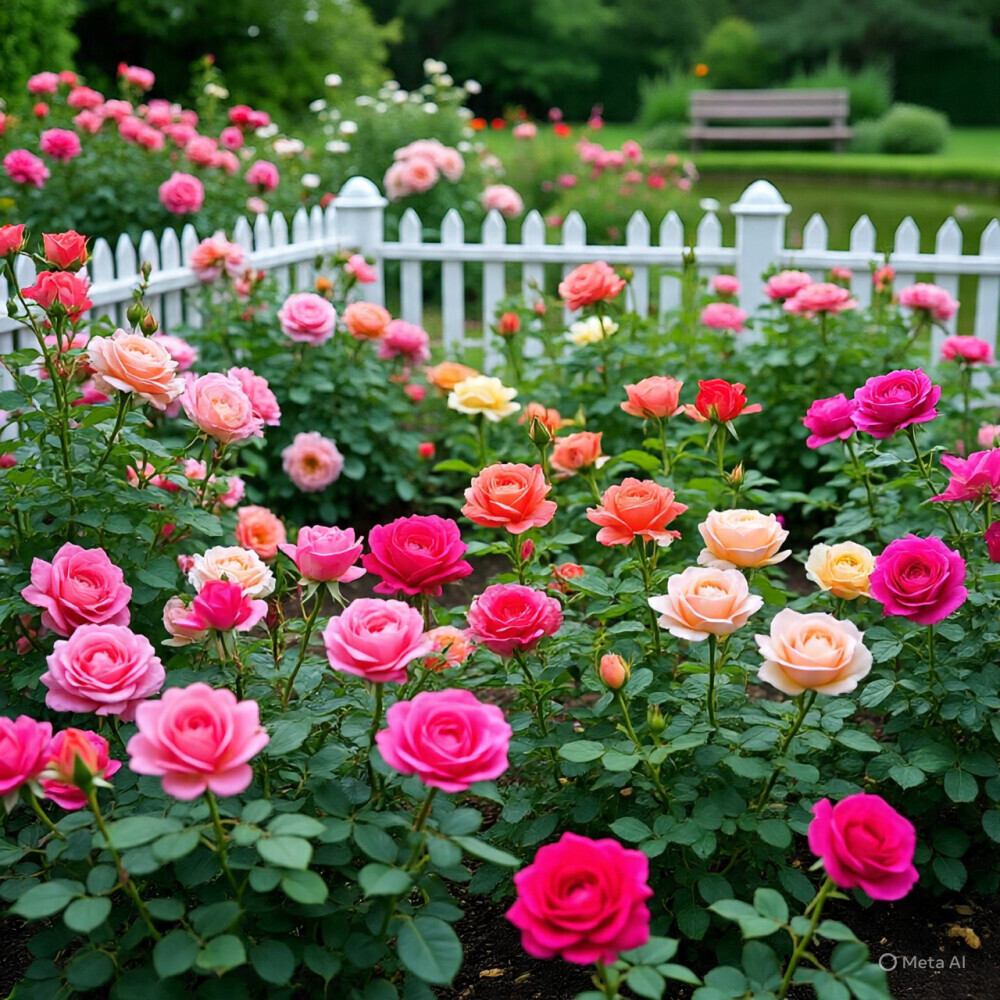
What makes Polyantha roses particularly special is their continuous blooming nature, which means you get long-lasting garden benefits from spring till fall. Their petite size also makes them perfect for various garden applications, from borders to hedges to standalone highlights.
Today, Polyantha roses have found their way into modern garden designs, cherished for their versatility and heartiness.
Whether you’re going for a traditional cottage garden vibe or a more structured landscape design, these roses adapt well to different kinds of layouts. They play well with other plants too, enhancing the overall texture and tone of your garden.
Incorporating Polyantha roses into your garden offers more than just visual appeal. They are low maintenance and have a robust nature, which means less worry and more enjoyment of your outdoor space.
If you’re planning to design a garden that captures attention and offers tranquility, Polyantha roses could just be the cornerstone you need to get started.
Planning Your Garden Layout: Blending Functionality with Aesthetics
When it comes to creating a lush garden that feels both inviting and organized, getting the layout right is crucial.
Start by identifying the sunny spots in your yard, as Polyantha roses love full sun. Pick a location that receives at least six hours of sunlight daily to ensure these beauties thrive.
Once you’ve nailed the spot, think about how you want your Polyantha roses to function in your garden.
Will they act as a vibrant border, or are you going for standout clusters to draw in the eye?
Use them as vibrant borders, with decorative garden edging to define flower beds.
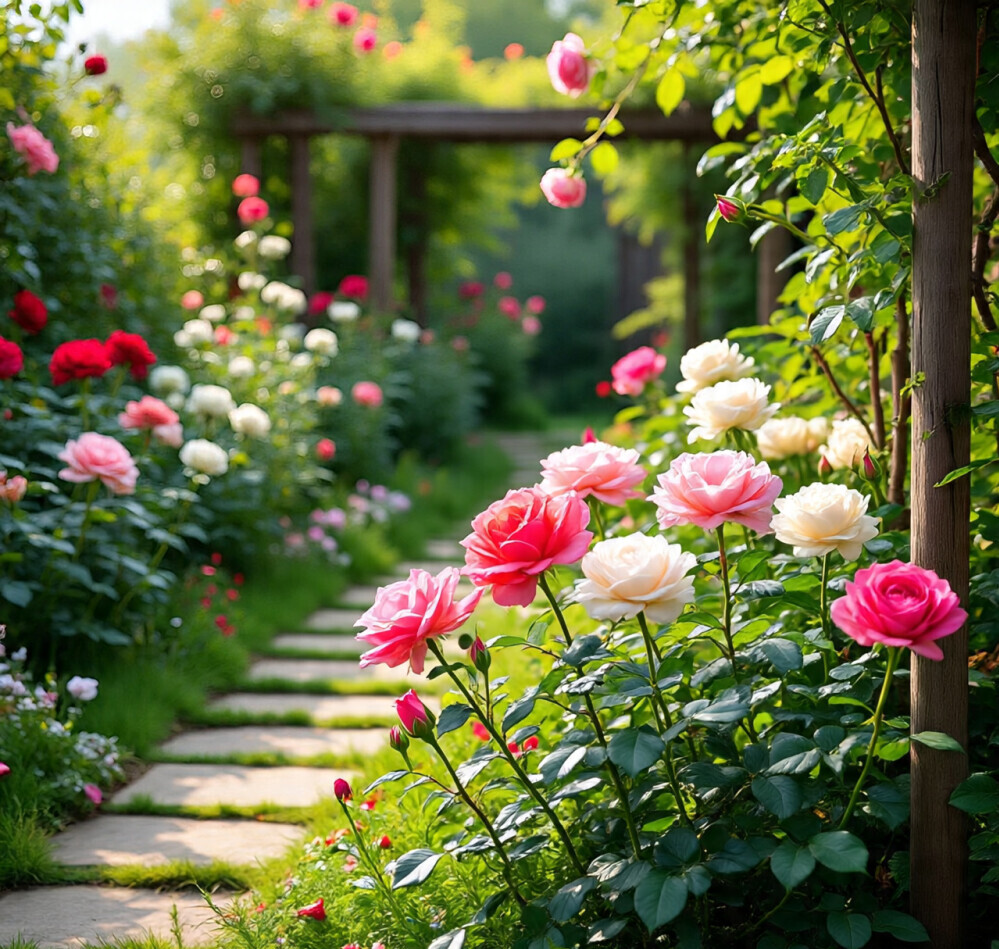
Using them as a backdrop can create depth, while lining a path with them adds symmetry and charm. Arranging them in groups can also form beautiful focal points where you least expect it.
Create focal clusters with Polyanthas planted in decorative planters for patios or entryways.
Good garden design isn’t just about the flowers; it’s about guiding the eye and creating a sense of flow.
Map out pathways that draw people through the garden, using Polyantha roses as guideposts or way markers. Not only do these pathways connect different areas, but they also invite visitors to explore.
Try curving your paths for a sense of mystery, encouraging exploration, while adding a straight path for contrast and structure. Line a path with them, pairing with stone or solar garden pathway lights for symmetry and charm.
Don’t forget balance and proportion. Polyantha roses, with their compact growth, work well alongside taller plants or even other types of roses.
Mixing heights adds interest and avoids that flat, one-dimensional look. Consider alternating rose colors for a more dynamic visual effect—think red and white for a pop or pinks for a softer touch.
Planning also involves thinking about maintenance. Keep spacing in mind to allow easy access for pruning and upkeep.
Make sure the layout allows for comfortable movement so you can enjoy tending your garden without hassle. After all, a well-thought-out design considers both your aesthetic dreams and your practical needs.
Good design is about guiding the eye. Try curving pathways with stepping stones for a sense of mystery, or keep straight lines for structure.
Color and Seasonality: Designing with an Eye for Vibrancy
Polyantha roses are a natural choice for adding a splash of color to your garden no matter the season.
Consider the color palette you want to create throughout the year. Mixing varieties can give that continuous bloom effect, bringing energy and vividness to your outdoor space from early spring to late fall.
Understanding basic color theory can be really useful here. Colors next to each other on the color wheel—like the reds, pinks, and whites of Polyantha roses—usually look harmonious when placed together.
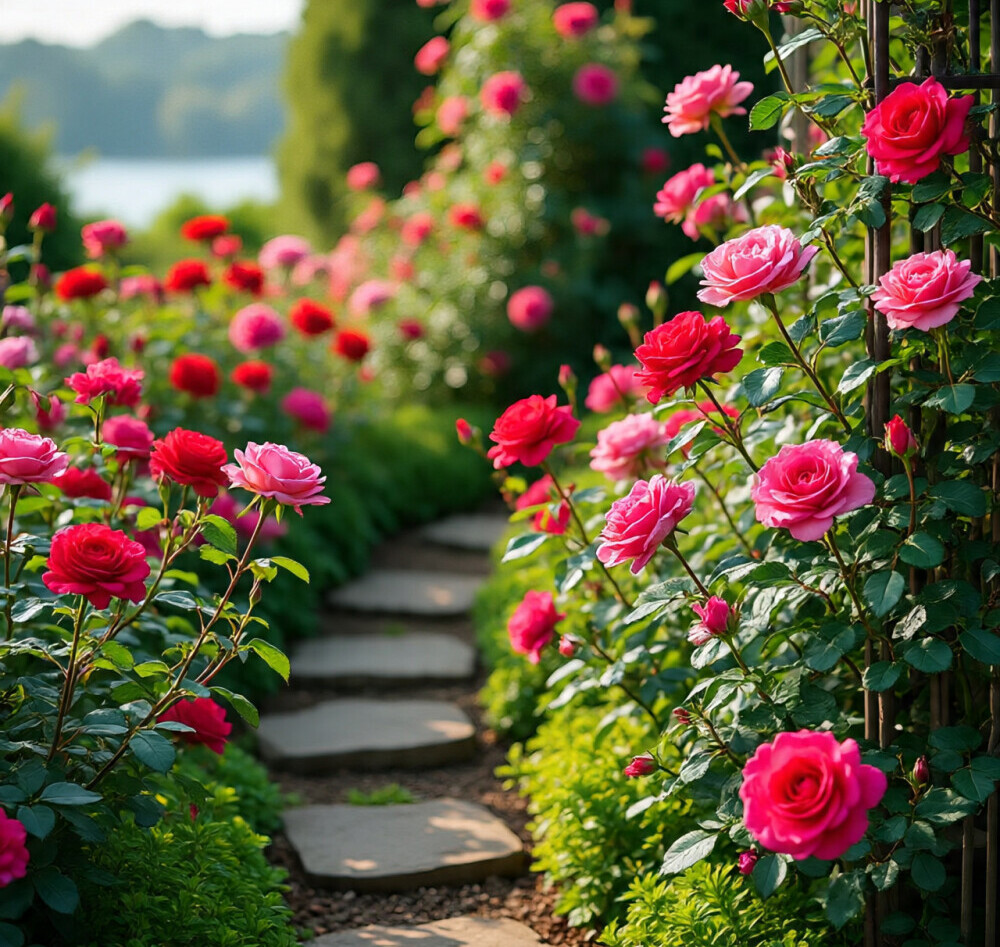
On the flip side, contrasting colors can really make certain plants pop. Pair reddish Polyanthas with white or soft pinks for that classic look, or create drama by mingling them with deep purple or even yellow blooms.
Keep in mind how these color choices will look across the different seasons. In spring, lighter and pastel colors often bring freshness, whereas summer might call for bolder, more vibrant tones. As fall approaches, opting for deeper hues can echo the natural changes in the environment.
Combining Polyantha roses with various perennials and annuals can also spice things up—it’s like creating a living palette where each season ushers in its unique vibe.
Think about blending with flowering shrubs or hardy annuals that complement the roses’ colors and blooming schedule, keeping the action rolling year-round.
Don’t shy away from experimenting a bit, too. If you’ve got a favorite rose that blooms mid-summer, plant it alongside something that peaks just before it to create a seamless transition.
Having that ongoing parade of color will keep your garden lively and exciting, giving you endless pleasure as a result.
Building a Flourishing Ecosystem: The Role of Polyantha Roses
Polyantha roses aren’t just pretty faces; they play a significant role in supporting a thriving garden ecosystem.
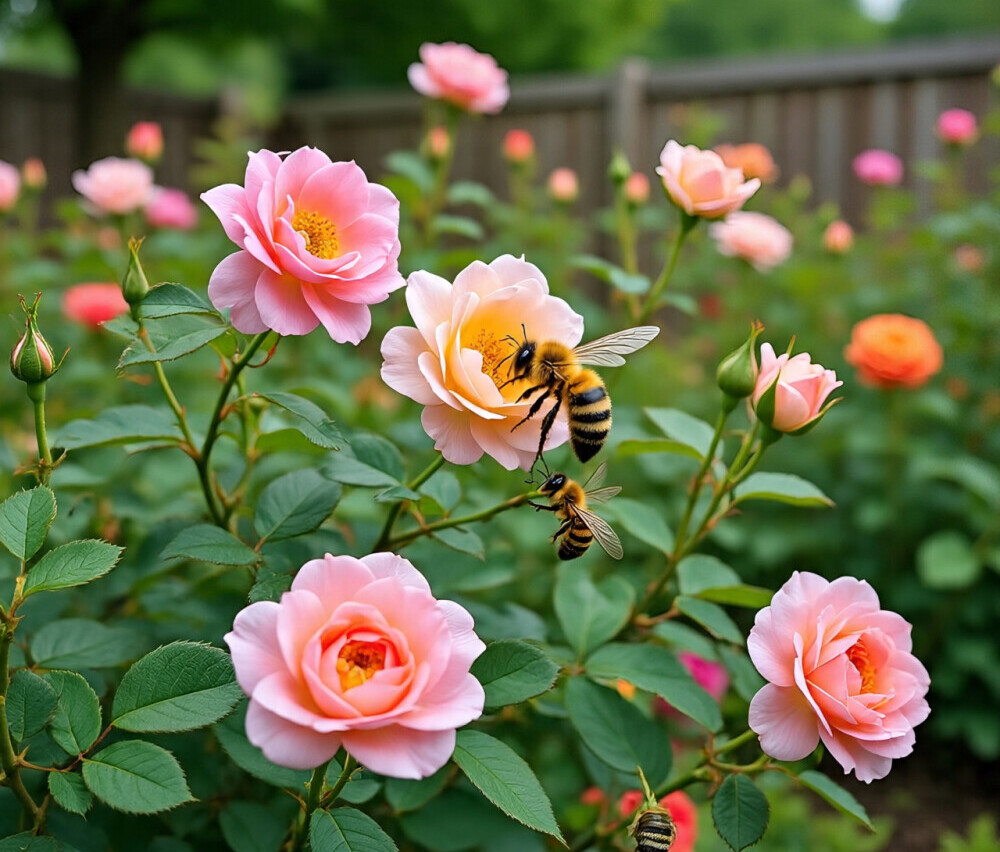
These compact bloomers attract pollinators like bees and butterflies, which are essential for the health of your garden.
By choosing Polyantha roses, you’re adding a durable plant that invites beneficial insects to join the party. Add a bee hotel or butterfly house to encourage pollinators.
Going beyond aesthetics, think about how your roses interact with other plants. Companion planting is a great way to enhance their growth while boosting the overall environment.
Plants like lavender or marigolds not only complement roses with their looks but can also repel pests naturally. This mix doesn’t just look good; it keeps your garden bustling with life without harsh chemicals.
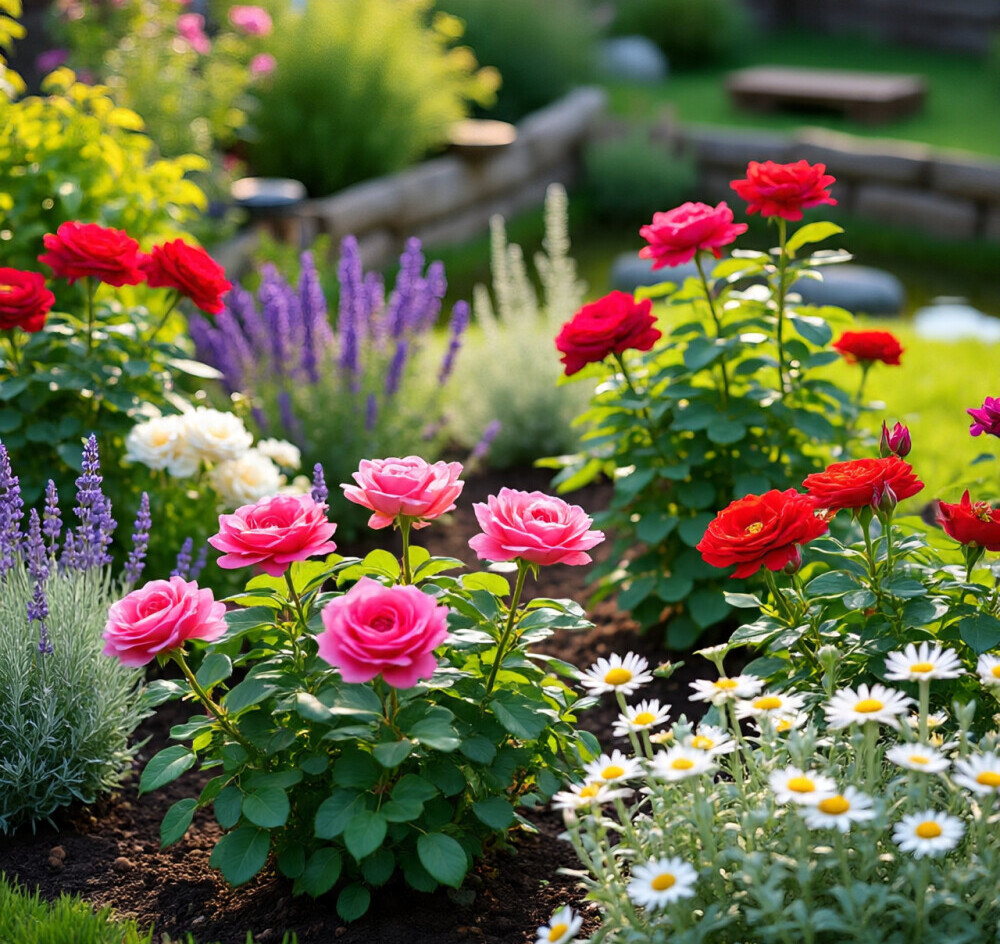
Creating a balanced garden comes down to integrating Polyantha roses with other species that can benefit from shared resources and mutual protection.
Choose neighbors for your roses that have similar needs in sunlight and water to create an integrated watering schedule.
It’s all about finding harmony in diversity, where each plant contributes to the wellbeing of the whole setup.
Consider sustainable garden practices to keep things thriving for the long haul. Mulching around your roses can conserve soil moisture and suppress weeds, making maintenance easier on you.
Plus, organic composting or mulch can enrich the soil, providing those roses and their companions with essential nutrients, aiding growth without synthetic fertilizers.
Embrace the idea of your garden as a mini-ecosystem, where each plant and organism contributes to the vitality and beauty of the space.
As you enjoy the blooms all season, you’ll also know that your garden is working in sync with nature, supporting local wildlife, and enriching the environment for everyone.
This not only boosts rose health but creates a self-sustaining, eco-friendly garden.
Maintenance and Care: Keeping Your Polyantha Roses Thriving
To enjoy the beauty Polyantha roses bring to your garden, a bit of TLC goes a long way.
Regular maintenance is key, starting with watering.
While these roses are relatively hardy, they do need consistent moisture—think deep watering about once a week, especially during those scorching summer months.
It’s best to water them at the base, avoiding wetting the leaves to prevent fungal issues.
Pruning plays a crucial role in keeping your Polyantha roses looking fresh and promoting new growth.
Aim to snip them back in early spring, getting rid of dead wood and spent blooms. This not only clears the way for new growth but also helps shape the plant, keeping it looking its best. Use Fiskars or Felco pruners for sharp and clean cuts
Pest and disease management is also part of the care package. Polyantha roses are tough, but keeping an eye out for aphids, mites, and mildew keeps your plants healthy.
Using insecticidal soap or a strong spray of water can tackle most of these issues without resorting to harsh chemicals.
As seasons change, your care routine will shift too. Feed your roses with an organic rose fertilizer in spring to kickstart their growth, and again in mid-summer to help them through their blooming season.
Adjust your routines as needed—less watering as autumn approaches, for example. Deeply once a week with a watering wand or drip irrigation kit, avoiding wet leaves to prevent disease.
A little attention goes a long way in ensuring your roses not only survive but flourish through the seasons.
By being proactive and thoughtful about maintenance, you’re giving your garden the foundation it needs to stay vibrant and healthy year after year.
Routine TLC ensures Polyanthas remain healthy, colorful, and vibrant through the seasons.
Conclusion: Cultivating Beauty and Tranquility with Polyantha Roses
Polyantha roses, with their unmatched vibrancy and effortless grace, can transform any garden into a soothing oasis.
Integrating these roses into your landscape not only enhances its aesthetic appeal but also supports a healthy garden environment that nurtures pollinators and other beneficial insects.
Reflecting on all their strengths, these roses are a reminder of the joy and fulfillment that gardening brings.
They offer you a canvas to express creativity through color, layout, and seasonal design.
Whether you’re starting out or looking to refine an established garden, Polyantha roses provide the perfect opportunity to refresh and personalize your space.
Embracing the role of roses in your garden encourages a connection to nature while also showcasing your unique artistic flair.
As you revel in the ongoing bloom of your Polyanthas, you’ll find yourself part of a greater narrative—one that celebrates life, growth, and the intricate beauty of our natural world.
For those eager to dig deeper into garden design with these stunning roses, consider exploring gardening communities both online and locally.
Sharing experiences and strategies can open up fresh ideas and offer new inspiration.
Numerous gardening books, YouTube tutorials, and online forums are out there, ready to help you expand your knowledge.
In designing a garden with Polyantha roses, you’re not just planting flowers; you’re creating a living, breathing masterpiece that will captivate you—and anyone who steps into your garden—for years to come.
Our Top Amazon Picks for Designing With Polyantha Roses
Here are some handpicked tools and accessories to help you succeed:
- Felco Classic Pruners – Reliable and sharp for precise pruning.
- Rose Gauntlet Gloves – Protect your hands and arms while tending roses.
- Rose and Flower Mix Fertilizer – Feed your Polyanthas for repeat blooms.
- Decorative Garden Edging – Define borders and pathways with style.
- Lavender Seeds – Perfect companion plant for roses.
- Solar Garden Lights – Highlight pathways and Polyantha borders at night.
- Bee Hotel – Support pollinators and boost garden health.
Happy gardening!!!!!!!!
Here’s a little transparency: Our website contains Amazon affiliate links. This means if you click and make a purchase, we may receive a small commission. Don’t worry, there’s no extra cost to you. It’s a simple way you can support our mission to bring you quality content.”
Polyantha roses always remind me of my grandmother—she swore they were the secret to a cheerful garden and therefore a cheerful life. This guide brought back that memory with a smile. Loved the layout ideas your suggested. Balancing charm with structure. I am always impressed with this level of understanding of how to create peaceful things in our lives.
MarkA
Thank you so much, Mark, for your heartfelt comment.
I’m thrilled to hear that the post brought back fond memories of your grandmother.
Polyantha roses do have a special charm, don’t they? I completely agree that they can add a touch of cheerfulness to any garden.
I’m glad you appreciated the layout ideas – balancing charm with structure is key to creating peaceful outdoor spaces.
Your grandmother’s philosophy on the connection between gardens and life is beautiful; I’d love to hear more about her garden if you’d like to share.