
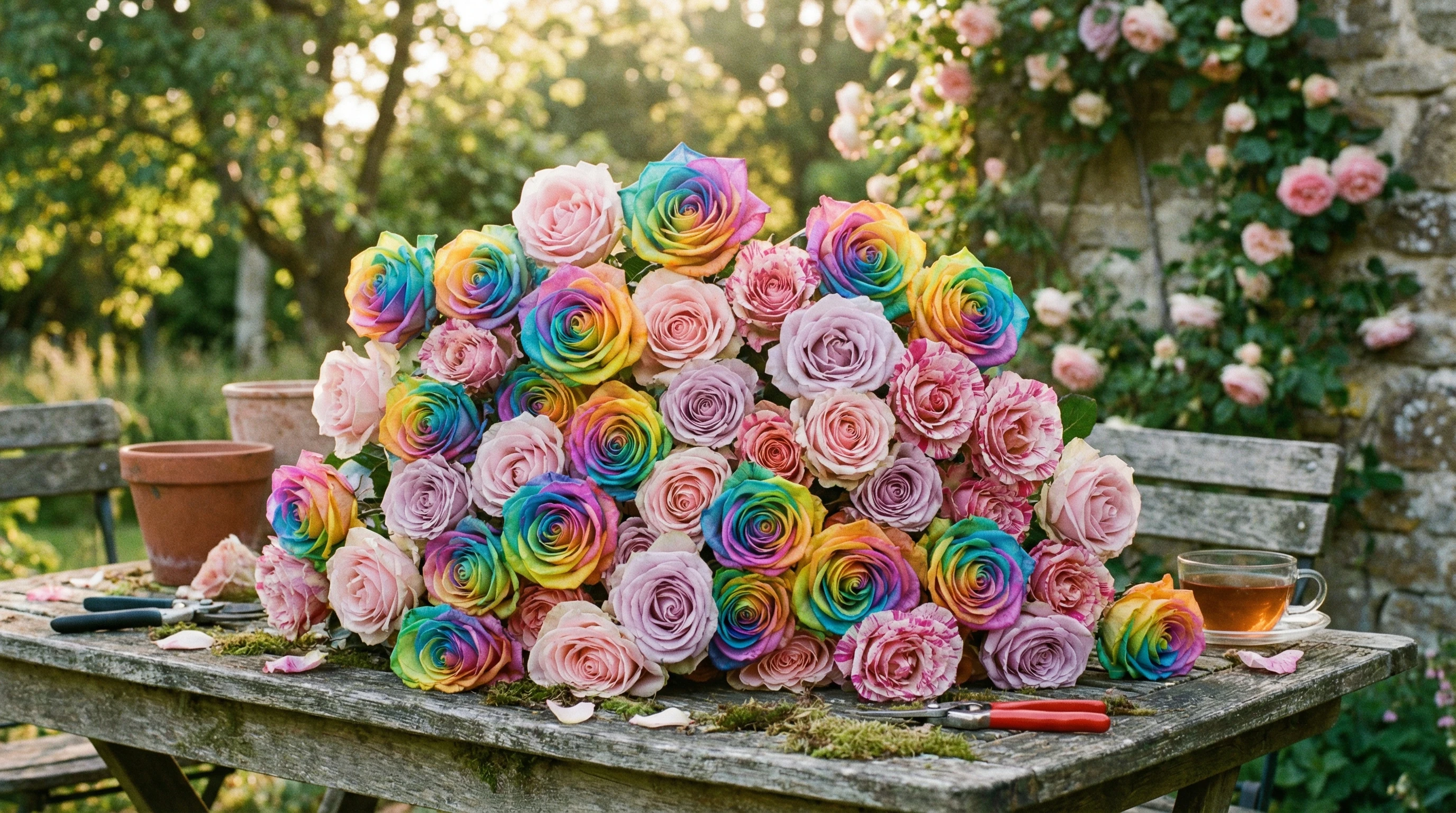
Rainbow roses have taken over social media feeds, wedding bouquets, and even gift shops with their wow-factor colors.
It’s hard to scroll through Instagram or browse Pinterest without catching a glimpse of these eye-catching blooms.
But with their rising popularity, there’s been a lot of confusion about how these roses are made, if they’re natural, and whether it makes sense to try growing them at home.
When you see a rainbow rose, it’s easy to assume it’s some special variety or a product of futuristic plant breeding.
But there’s a big difference between rainbow roses (which get their colors from dyes) and naturally colored roses with unusual shades.
I’ll walk through what makes each type unique, how they measure up in looks and practicality, and if rainbow roses are really worth your time as a gardener or flower lover.
For anyone curious about rare rose colors, I’ve also got helpful posts linked here for more reading: Unusual Rose Colors: A Complete Guide and Striped Roses vs Two-Tone Roses: Which Offers More Visual Drama and Why?.
The Basics: What Are Rainbow Roses?
How Rainbow Roses Are Made
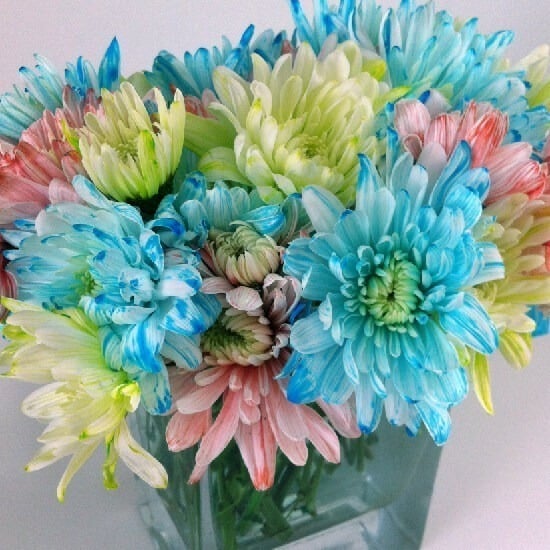
Rainbow roses start out as ordinary white rose varieties, not some secret or rare hybrid.
Florists use a pretty straightforward process to get those colors: they split the rose stem into several sections, and each section is soaked in water mixed with a different food-safe dye.
As the flower drinks up the water, each section pulls a different color up into the petals.
The result?
Every petal ends up with its own unique tint, making the bloom look like a floral tie-dye project.
This process only works with white (or sometimes pale cream) roses, since darker petals don’t really show added dye.
Once it’s dyed, the rose stays that way for just a few days, then fades or wilts like any cut flower.
Are Rainbow Roses Natural, or Genetically Created?
There’s a lot of misinformation online suggesting you can buy “rainbow rose seeds” and grow multicolored blooms in your garden.
This just isn’t true.
The rainbow effect is only the result of dyeing and can’t be passed down by seeds or cuttings.
The genetics of a rose can’t create multiple distinct colors inside a single petal, so breeders haven’t actually cracked this trick yet.
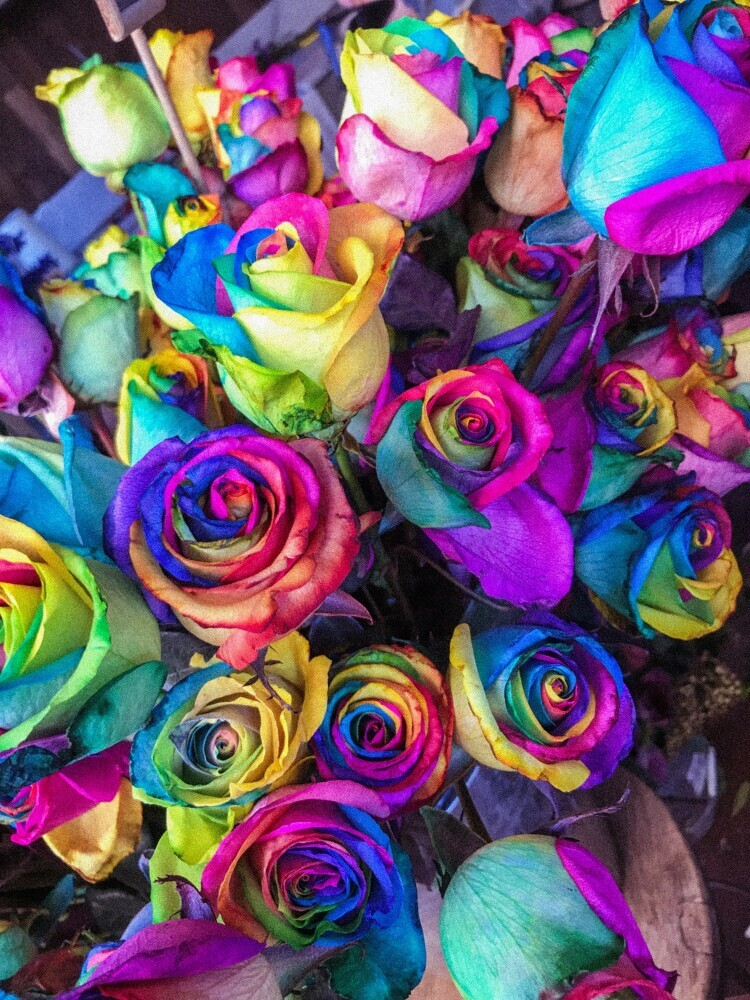
If you come across online listings for “rainbow rose seeds,” you’re basically looking at a scam.
The only way you’ll get that viral rainbow look is by dyeing pre-cut white roses.
Rainbow roses are 100% florist creations—beautiful, but not natural or inheritable.
For more clarity, check my guide on Unusual Rose Colors.
What Counts as a Natural Colored Rose?
How Roses Get Their Colors in Nature
Natural colored roses get their shades from pigments in the petals, mainly anthocyanins (giving reds, purples, and blues) and carotenoids (creating yellows and oranges).
The mix of these pigments is decided by the plant’s DNA, but things like temperature, light, and soil pH can also tweak the exact color you see in the garden.
Over decades, rose breeders have used cross-pollination and natural mutations to unlock new color traits, leading to everything from dreamy purples to sandy browns.
Examples of Standout Natural Rose Colors
- Lavender and Mauve: Varieties like ‘Blue Moon’ and ‘Sterling Silver’ come closest to true purple. They look pretty magical, but their color can fade in hot climates.
- Green: Yes, roses like ‘Green Ice’ exist! Their pale green tint is subtle but definitely real.
- Striped and Two Tone: ‘Candy Stripe’ and ‘Double Delight’ are great picks if you like petals with naturally split colors or patterns.
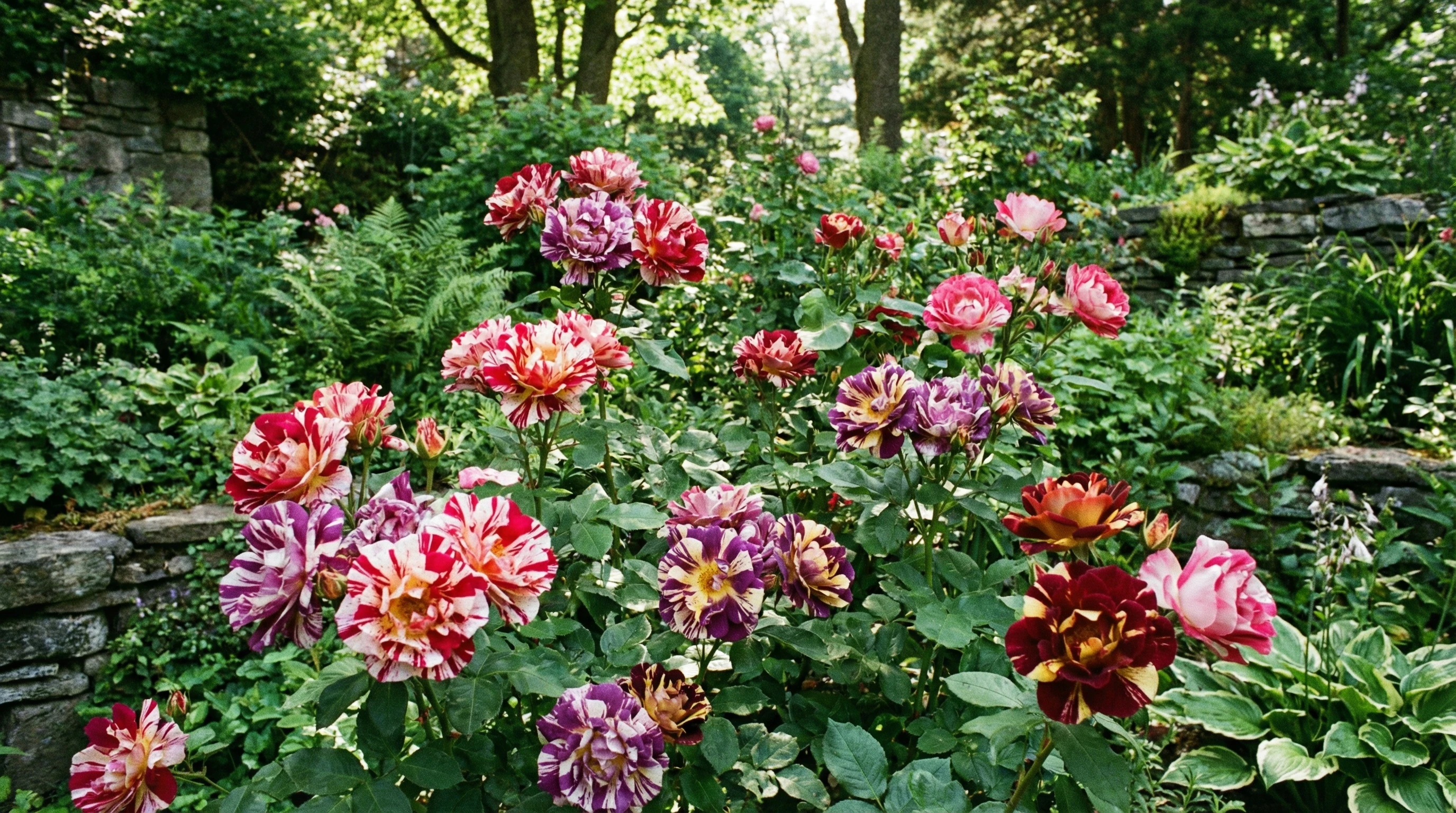
The big difference is that these natural shades come directly from the plant and repeat every time the rose blooms.
No dyes or tricks are needed. Any gardener can grow these at home with the right variety and care.
Visual Impact: Rainbow vs Naturally Colored Roses
Rainbow Roses: Quick Wow Factor
Rainbow roses are flashy and bold, so they’re in demand for big, high-impact displays.
Think weddings, birthday bouquets, and “just because” gifts that are meant to stand out.
They’re built for photographs and Instagram likes.
Their color doesn’t really change over time, but their visual effect only lasts for a few days, until the cut flower fades.
Natural Colored Roses: Classic Garden Charm
Natural roses sometimes surprise you, often with subtle color shifts as the bloom ages or as the weather changes.
A rose that’s a pale pink in spring might deepen in color by fall. This evolving look is something many garden lovers enjoy.
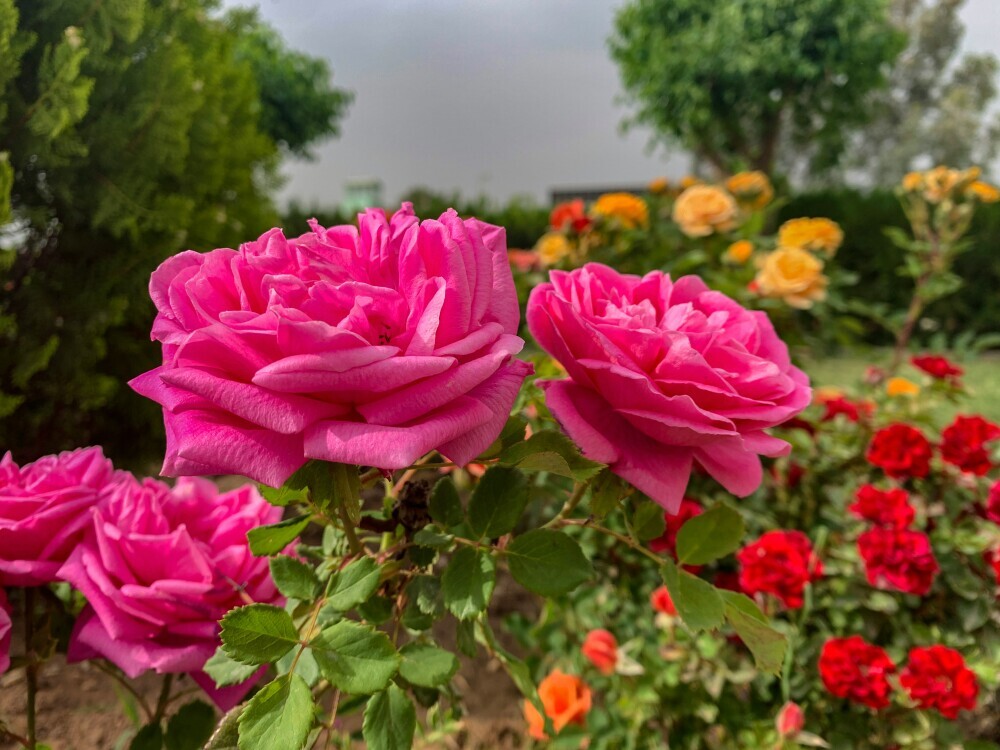
There’s also a real sense of satisfaction when a living plant produces bloom after bloom across the seasons, instead of just making a short-lived bouquet.
Can You Grow Rainbow Roses in Your Garden?
Why Homegrown Rainbow Roses Don’t Exist
I see people ask all the time: “What happens if you plant a rainbow rose stem or root it?”
Unfortunately, the short answer is that you just get a regular white (or cream) rose.
The colors come from dye, not DNA, so the plant can only bloom naturally colored roses, not rainbows.
Even if you buy “rainbow rose seeds” online, they’ll either grow plain old roses or not sprout at all.
If you want rainbow blooms for your garden, you’ll have to get creative with temporary dyeing projects, but there’s no way to grow them as a live, reblooming plant.
DIY Dyeing vs Real Gardening
You can easily try dyeing fresh-cut white roses at home as a fun project.
It’s just important to know this is a short-lived art project, not proper gardening.
Once the flower fades, you’re done. If you want a rose bush that reliably puts out uniquely colored flowers year after year, naturally colored roses are the way to go.
Garden Performance and Ease of Growing
Dyed Rainbow Roses
- Only available as cut flowers, not as living plants
- Colors start fading within a few days
- Can’t rebloom or survive through seasons
- Best for special occasions, not for garden beds
Natural Colored Roses
- Grow and rebloom year after year with basic care
- Available in lots of shades, from deep purple to peach stripe
- Some varieties are bred for disease resistance and climate adaptability
- Work well in gardens, containers, or even small patio pots

Ethical, Environmental, and Gardening Considerations
Rainbow roses bring up some environmental concerns.
The dyeing process involves chemical colorants, plus the cut flowers don’t last, producing more floral waste.
On the flip side, naturally colored roses contribute to garden biodiversity and support pollinators.
They’re a long-term investment in your landscape, and some breeders are working to create stronger and more unique colored varieties that don’t need chemicals to shine.
In today’s world, a lot of gardeners are thinking more about environmental impact.
Choosing naturally colored roses can give your outdoor space a boost in both color and ecology.
Many modern rose varieties combine unique shades with improved disease resistance, meaning less chemical use and healthier gardens in the long run.
Plus, a vibrant rose bush attracts bees, butterflies, and birds, making your garden a small wildlife haven.
Are Dyed Roses Worth Growing or Buying?
Choose Rainbow Roses If:
- You love bold, fast-impact blooms for parties or events
- You only need flowers for a few days, not a season or longer
- You’re after a fun DIY or photographic project
Choose Natural Colored Roses If:
- You want flowering plants that last and rebloom
- You care about sustainability and garden wildlife
- You enjoy investing in your landscape for years to come
- You appreciate colors that evolve with the seasons and conditions
Common Buyer Mistakes to Avoid
- Buying “rainbow rose seeds” and expecting garden rainbows—you’ll just get ordinary roses or none at all
- Thinking dyed stems will sprout colored flowers. Not possible.
- Confusing eyecatching floristry with real home gardening
- Paying high prices for a short-lived novelty without realizing the limitations
Frequently Asked Questions
- Can rainbow roses grow naturally?
Nope. All rainbow roses are made by dyeing white cut roses. - Are rainbow roses genetically modified?
No. Their colors come from dyes, not genetic changes. - Do rainbow roses rebloom in the garden?
No. Only regular, original colored blooms return if you try planting them. - What’s the closest natural alternative to rainbow roses?
Check out modern striped or two tone varieties, or unusual colors like ‘Abracadabra’ for a playful, unique look. See my post: Striped Roses vs Two Tone Roses. - Are dyed roses harmful to plants?
Cut flowers won’t hurt your garden, but the dye process isn’t great for long-term plant health or the environment.
Recommended Products from Amazon for Rose Color Experiments & Healthy Growing

If you’re curious about rainbow roses or want to grow naturally colored roses successfully, the right tools make all the difference. Here are a few practical, beginner-friendly products worth considering from Amazon:
Food-Safe Flower Dyes
If you’d like to try dyeing white roses at home (purely as a short-term art project), food-grade liquid dyes are the safest option. They’re inexpensive, easy to experiment with, and ideal for demonstrations, photography, or special events—without harming your garden plants.
Sharp Floral or Garden Snips
Clean cuts matter. Whether you’re dyeing cut roses or harvesting blooms from your garden, sharp floral snips help stems absorb water better and extend vase life. A good pair also prevents crushing stems, which shortens flower longevity.
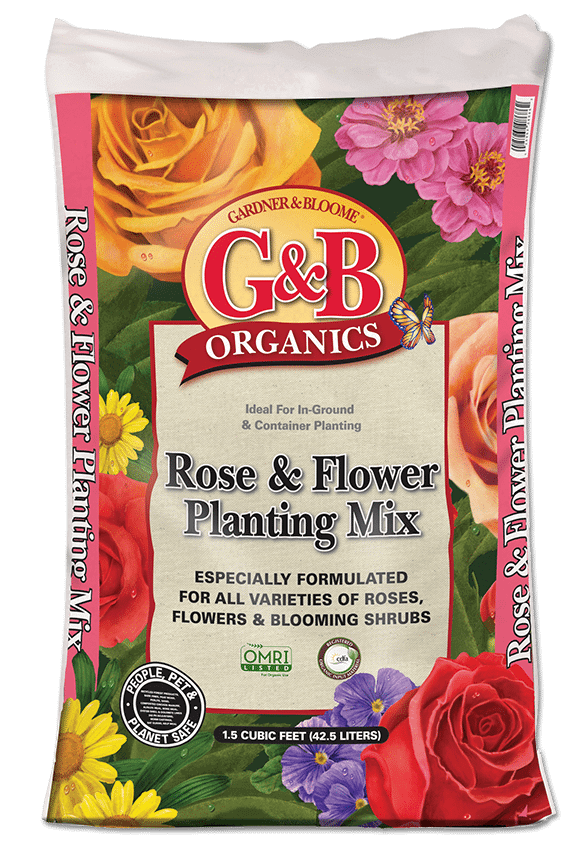
High-Quality Rose Potting Mix
For gardeners choosing natural colored roses, soil quality plays a major role in bloom color, plant vigor, and disease resistance. Look for well-draining potting mixes enriched with organic matter—especially if you’re growing roses in containers or patio pots.
Bypass Pruning Shears for Rose Bushes
Naturally colored roses reward good pruning. Reliable bypass pruners make shaping, deadheading, and seasonal pruning easier, helping plants rebloom with stronger stems and better color expression.
Clear Glass Flower Vases
If you’re experimenting with dyed roses or showcasing unusual natural colors indoors, clear glass vases let you observe water uptake and stem health while highlighting the bloom itself—perfect for learning and photography.
Novelty or Nature: Which Rose Is Right for You?
Rainbow roses work great as a quick shot of color and creativity for special occasions, but they’re more art project than horticulture.
For gardeners who love real, lasting blooms and want to enjoy their roses year after year, naturally colored varieties are the better bet.
If you’d like more ideas, don’t miss: Unusual Rose Colors: A Complete Guide, Blue Roses vs Lavender Roses, Black Roses vs Deep Red Roses, and Green Roses vs White Roses.
If you’re ready to start growing, check out nurseries offering rare or unconventional rose varieties, pick up a pair of sharp garden snips, and consider using soil mixes tailored for rose health.
Those small steps play a big part in keeping your roses colorful and thriving for years to come.
Roses brighten up any room, garden, and make any space more inviting. I planted roses in my garden because they attract pollinators which are important to the environment. Even though rainbow roses attract more attention on Instagram or social media, they cost more. Each rose serves its own purpose; rainbow roses are for events while natural roses are for gardens.
My preference is natural roses because they bloom seasonally and repeatedly.
Hie Godwin, I totally agree with you!
Natural roses have a timeless beauty and supporting pollinators is a big win for the environment . Rainbow roses are definitely eye-catching for special occasions, but there’s something special about nurturing natural blooms season after season.
What’s your favorite rose variety to grow?”