
Roses that flower more than once in a season bring a kind of magic to any garden, and when you have them thriving in a small greenhouse, you get blooms even when the weather outside doesn’t cooperate.
If you love the idea of roses that keep performing for months on end, even in unpredictable climates, you’re in the right place.
Repeat flowering roses, also called remontant roses, are known for their ability to bloom multiple times throughout the growing season.
Growing these in a greenhouse isn’t just about extending the flower show.
It’s also about getting healthier plants, fewer pest headaches, and more control over their growing environment.
Here’s what I’ll cover: picking the best rose varieties for greenhouse growing, prepping your greenhouse setup, creating perfect soil, managing watering and feeding, pruning, fighting off pests, and dialing in the environment for nonstop flowers.
You’ll also learn tips for maximizing blooms, keeping your plants strong, and choosing the best tools for greenhouse rose care.
Let’s jump in and see how you can turn your small greenhouse into a blooming paradise year-round!
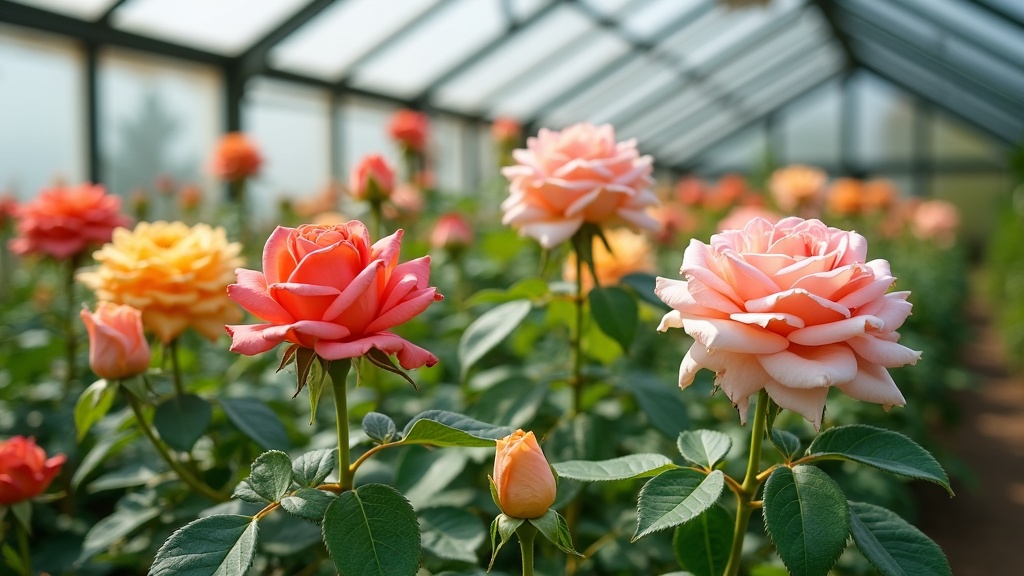
Why Grow Repeat Flowering Roses in a Greenhouse?
Growing roses in the open can be a challenge, especially if you deal with frosts, dry heat, or pounding rain that makes petals fall off just when the blooms hit their peak.
A greenhouse gives you shelter from those unpredictable weather swings.
You can keep spring going longer, protect your plants from chilly nights, break up those sticky heatwaves, and dodge most of the nastier windstorms that snap stems or blow petals away.
With steady temperatures and humidity, you create a rose spa. Perfect for those long, flushes of flowers.
Plus, you get a jumpstart on spring and can even trick the plants into blooming later than usual.
If you’re working in a small space, and especially if you want to grow roses for cut flowers or bouquets, a greenhouse is super handy.
It also keeps the pressure off from pests and diseases since you control who or what gets to visit your roses.
In addition, a greenhouse provides the option to experiment with more delicate varieties you might not be able to grow outdoors, allowing you to track down rare roses or those sensitive to your local conditions.
Selecting the Right Repeat Flowering Roses for Greenhouses
Not all roses play nice in tight spots or under cover. Some want to sprawl, climb, or quickly outgrow their space. For a small greenhouse, you want compact or moderately sized varieties that keep pumping out flowers without taking over.
- Compact Shrub Roses: Roses like ‘The Fairy’, ‘Iceberg’, and ‘Boscobel’ are famous for staying bushy and manageable. You’ll get flush after flush of flowers all season. ‘Iceberg’ is especially known for loads of white blooms, even in partial shade.
- English Roses (David Austin): If you love oldrose looks but want repeat blooms, go for names like ‘Gertrude Jekyll’ and ‘Olivia Rose Austin’. They’re fragrant, not too massive, and ideal for greenhouse benches or raised beds.
- Floribundas: ‘Livin’ Easy’, ‘Julia Child’, and ‘Bonica’ push out clusters of bold flowers and are often more diseaseresistant, which is a major plus for greenhouse life.
- Miniature Roses: Options like ‘Baby Boomer’ or ‘Sweet Dream’ are perfect for shelves and planters. They max out at less than 45 cm and often rebloom quickly.
Stick to bushy types and smaller shrub roses. Vigorous climbers, like ‘New Dawn’ or ‘White Dawn’, can create a mess in a small tunnel or leanto.
Save those for outdoor arches or a bigger glasshouse.
Compact polyantha and patio roses are also great picks if you’re looking to add some extra color in tight quarters, offering plenty of blooms with minimal fuss.
Preparing the Greenhouse Environment
Roses ask for a lot of light.
Aim for 6 hours of direct sun a day, even in winter. If trees or neighboring buildings shade your greenhouse, consider adding LED grow lights with a full spectrum as backup, especially in winter months or if your region gets gloomy weather.

Supplemental lighting can make all the difference when days are short, giving your roses the boost they need to keep blooming.
Keep temperature steady.
Roses bloom best in a range between 18–25°C (65–77°F) during the day. Dropping much below 12°C (54°F) or spiking above 30°C (86°F) stresses the plants.
Set up a basic thermometer and hygrometer so you can adjust your venting and shade as needed.
Most rose diseases love soggy air, so humidity control matters.
Aim for 50–70% humidity.
Too much can invite mold and downy mildew, but too dry can mean crinkly, unhappy leaves. Airflow fixes a lot; clipon fans or simple louvered windows at opposite ends help clear out stagnant air and keep mildew at bay.
If needed, portable dehumidifiers can help on damp days.
Small greenhouses do best with efficient layouts.
Raised beds are a great choice for easy tending and drainage, or set up planters on benches for mini roses or smaller shrubs.
Avoid overcrowding.
Good spacing keeps diseases from spreading and makes pruning easier later on.
Consider using vertical shelving or tiered benches to make the most of limited square footage, and rotate containers to give all plants some quality light.
Soil Preparation and Planting
Soil is a big deal for healthy, repeatflowering roses.
Go for a loamy mix that holds moisture but never stays soggy.
I use two parts loam garden soil, one part wellrotted compost, and one part coco peat or peat moss for extra waterholding capacity.
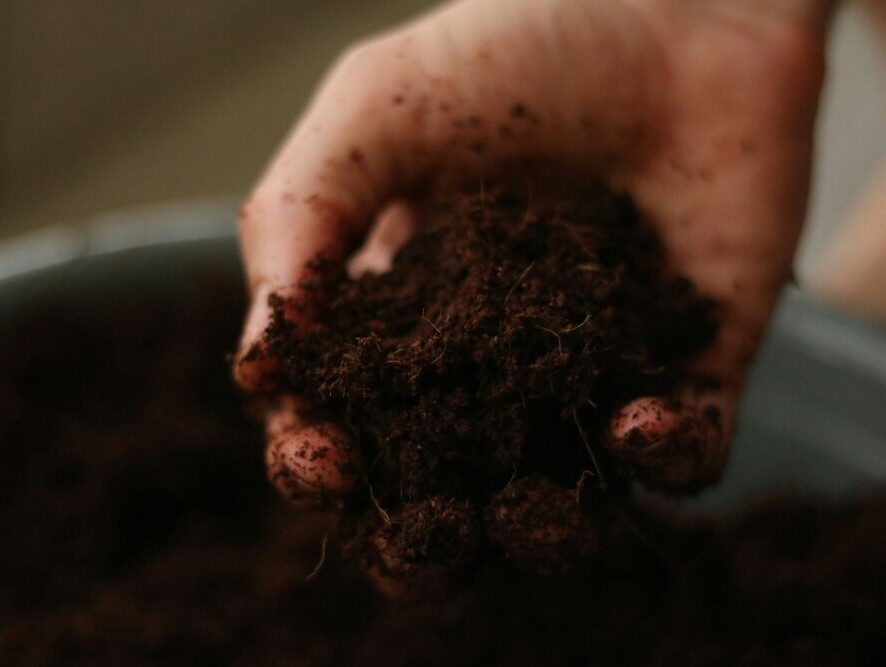
Working in some bone meal gives you a slowrelease boost of phosphorus, which roses love for root strength and flowers. Wellrotted manure is another great addition for that organic kick.
pH matters here.
Roses like it slightly acidic, right between 6.0 and 6.5.
Most storebought potting mixes are already in the right range, but a quick test kit can help if you mix your own.
If you’re planting in containers (especially on benches), be sure drainage holes are solid to keep roots from sitting in water.
Spacing is more important in the greenhouse than you might think. Give each plant 40–45 cm (16–18 inches) of wiggle room on all sides.
This keeps leaves dry and lets you get in for deadheading, feeding, or snipping cut flowers.
Miniatures can go closer if you’re tight on space but still avoid crowding. Adding a little mulch like bark chips on top of the soil helps keep moisture in and smooth the way for root health.
Watering and Fertigation Management
Sticking to a regular watering routine keeps roses healthy and encourages more blooms.
Drip irrigation is a lifesaver.
It keeps moisture steady, delivers water right to the roots, and avoids splashing leaves, which cuts down on fungal problems.
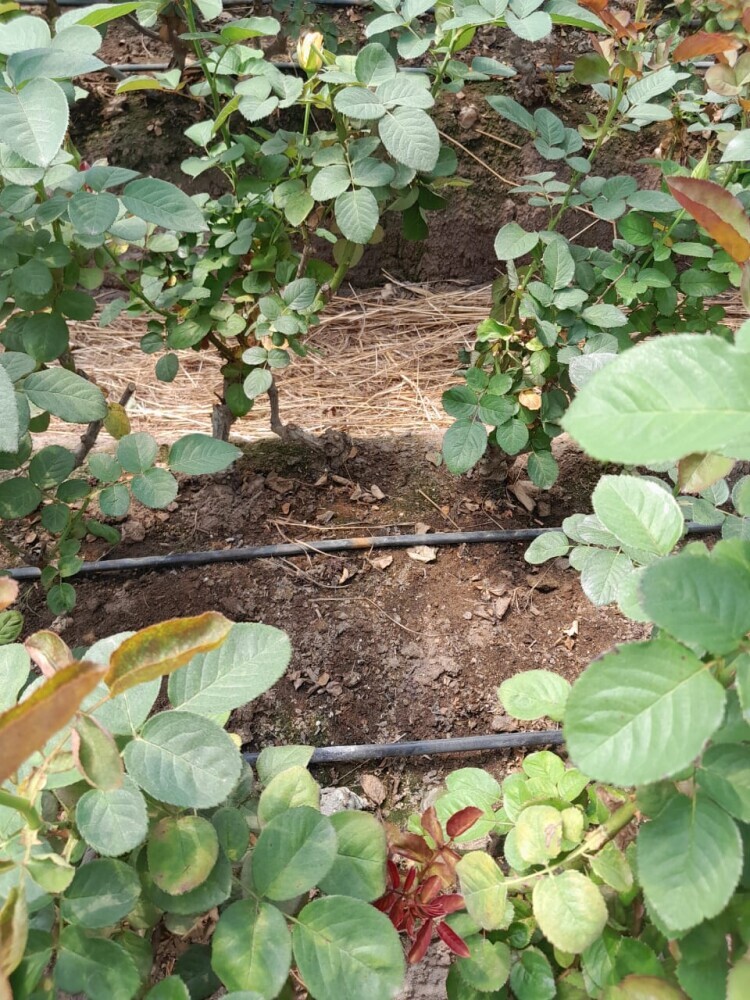
You can pick up a simple drip kit or set up a soaker hose system if you’ve got beds instead of pots.
Greenhouses make feeding really efficient since you can use fertigation (basically, sending nutrients right through your drip system).
Small venturi injectors or a handmixed hydraulic pump make it easy. Stick with this feeding schedule for happy roses:
- Early spring: Use a high nitrogen fertilizer to get lush new shoots going.
- Midseason: Switch to a balanced NPK (like 10-10-10) to support overall growth and upcoming flower spikes.
- During heavy bloom: Go heavy on the potassium (even a tomato feed works) to deepen flower color and scent.
Every couple weeks, mist leaves with a seaweed extract foliar feed for stronger stems and better flowers.
Keep an eye on the soil. Roses like moist (not soaked) roots.
If you notice yellowing, check if the soil is drying out between waterings or if nutrients are running low.
Monitoring the weight of pots and feeling the top inch of soil are quick ways to make sure your roses aren’t getting too much or too little water.
Pruning and Deadheading for Continuous Blooms
Pruning in a greenhouse focuses on keeping plants compact, disease free, and always pushing out new buds.
After each major flush of flowers, snip back just a little to fresh, outwardfacing buds. This keeps new shoots coming and stops the bush from getting leggy.
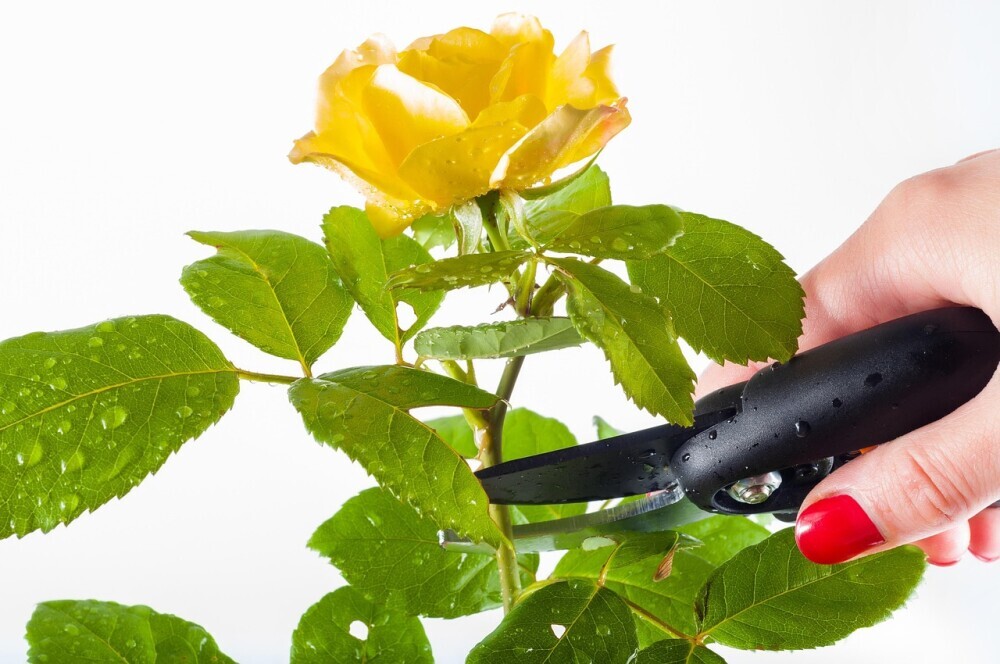
Cut off any dead or blackened wood you spot.
Crossing branches or stems that rub each other should also go. Clean cuts help the plant put energy into sturdy, flowering branches instead of weak, messy growth.
Deadhead spent blooms as soon as petals fall. Make your cut just above a five leaflet leaf node. These are usually stronger than spots with only three leaflets and help trigger better regrowth.
If you prune too hard midseason, the rose will stall out and you’ll wait longer for more blooms.
Light but regular pruning is the way to go inside a greenhouse. Remember to use sharp, clean pruners and sterilize blades between plants to stop the spread of diseases.
Managing Pests and Diseases in a Greenhouse
Even with a greenhouse, roses can attract trouble.
Keep an eye out for aphids (tiny green bugs along stems and buds), spider mites (they love hot, dry air and leave fine webs), powdery mildew (white stuff on leaves), and classic black spot on lower foliage.
A steady breeze and not letting humidity get too high keeps most common fungi in check.

If you spot bugs, neem oil and insecticidal soap are gentle and effective.
Ladybugs and predatory mites are good allies; pick them up online or at the garden center. Try to keep your greenhouse tidy, sweep out old leaves right away and wipe down pots and tools to prevent diseases from lingering.
Rotate plants occasionally to improve airflow and check regularly under leaves—catching pests early helps save your blooms fast.
Extending the Blooming Season
One of the best perks of greenhouse rose growing is tweaking the growing conditions for longer blooming.
Keep night temperatures above 12°C whenever possible; if things get really cold, a simple space heater or heat mat is worth considering (just make sure it’s greenhousesafe).
Too cold at night can stop buds from forming or make them fall off early.
For winter blooms or to keep cycles going late in the season, add an LED grow lamp with a timer.
Roughly 14-16 hours of light a day keeps most repeatbloomers thinking it’s spring or summer.
Mulch with fine bark or shredded leaves for extra moisture retention and to stop weeds from popping up.
If you see pale yellow leaves, it might be a nitrogen shortage; top up nutrients to get things back on track.Some growers find it helpful to gently brush rose foliage in winter to stimulate growth and increase air circulation.
To push your roses for a specific flowering window, like a birthday or party, start trimming and light adjustments 6-8 weeks ahead.
With a little planning, you can get that perfect flush of flowers on demand. Rotating varieties with different bloom cycles adds color waves and keeps something in flower all the time.
Recommended Products
- Compact repeat flowering rose plants: Look for ‘Iceberg’, ‘Gertrude Jekyll’, or ‘Olivia Rose Austin’ from nurseries that ship greenhouseready bushes. Some specialty suppliers offer roses bred specifically for greenhouse production, making it easy to create a nonstop flower display.
- Drip irrigation kits and venturi fertigation systems: Handy for automating watering and feeding; search for small greenhouse kits or bonsai drip systems. Simple timers and adjustable flow settings make daily care handsfree.
- Organic rose fertilizers and compost boosters: A balanced NPK, seaweed foliar sprays, and wellrotted manure all work nicely. You might also try worm castings for a gentle, yearround nutrient supply.
- Greenhouse ventilation fans and humidity meters: These help keep air moving and conditions steady, cutting down on mold and pests. Wireless sensors with Smartphone alerts can keep you posted on climate issues before they become plant problems.
- Rose pruning tools and soil pH testers: Basic bypass pruners, a damp cloth for wiping blades, and a pH meter to keep things in that sweet 6.0–6.5 spot. A sturdy pair of gloves shields your hands from thorns during regular trimming.
Here’s a little transparency: Our website contains Amazon affiliate links. This means if you click and make a purchase, we may receive a small commission. Don’t worry, there’s no extra cost to you. It’s a simple way you can support our mission to bring you quality content.”
FAQs About Greenhouse Repeat Flowering Roses
Can I grow repeat flowering roses all year in a small greenhouse?
With careful temperature and light management and the right varieties, you can get flowers for most of the year. Some slow down in deep winter without extra lighting, but you’ll still see more bloom cycles than outdoors. Tweaking the light schedule and keeping an eye on humidity makes winter flowering much more reliable.
How do I keep greenhouse roses from overheating in summer?
Open vents and run fans on hot days. Use shade cloth or install reflective film to cut down on strong sun. Water in the early morning to help plants cope. Misting pathways also helps keep the overall temperature a bit cooler around your rose bushes.
Do repeat flowering roses need a rest between cycles?
Most varieties perform better if they get a brief rest between hard flower flushes. Just keep up with light feeding and let them recoup for a couple weeks before encouraging the next round. Allow some time for foliage to recover and build up reserves for the next blooming period.
How often should I fertilize greenhouse roses?
Feed every 2-4 weeks during active growth, cutting back in short, cloudy winter days when growth slows. Monitoring leaf color and growth helps you tweak your feeding schedule as needed.
Conclusion
Small greenhouses make it super easy to control every detail your roses need: temperature, humidity, food, light, and airflow.
That’s where the magic of continuous reblooming really gets going.
Start with a couple compact varieties, pay attention to how your plants respond to every switch up, and watch each new flush of buds as the seasons move by.
With a little attention to detail, you can bring the next-level cool of blooming, beautiful roses to your greenhouse any time of year.
If you’re interested in learning more, check out the next article in this series: “Best Repeat Blooming Rose Varieties for Containers.”
There, you’ll track down more ideas for perfecting your rose adventure—whether you’re an experienced grower or just getting started!
Happy gardening!!!!!!!!
What a lovely and informative article! I appreciate how you break down — in a clear and realistic way — what it takes to successfully grow repeat-flowering roses in a small greenhouse: choosing compact varieties like “Iceberg”, “The Fairy” or some of the more manageable Boscobel or Bonica kinds, preparing well-draining, slightly acidic soil, and being disciplined about watering, fertilizing, ventilation and pruning. I also liked how you pointed out that controlling light and temperature — using grow lights and keeping day/night temperatures between roughly 18–25 °C — can extend blooming even during colder months.
I’m curious: have you tried blending rose varieties with different bloom cycles (early-season, mid-season, late-season) inside the same greenhouse to ensure there’s always something flowering? If so — which combinations worked best for you?
Hanna, thanks for the kind comment. I’m glad you found the article helpful.
Yes, blending rose varieties with different bloom cycles is a great way to ensure year-round color in the greenhouse.
I have had success with combinings early-season bloomers like ‘Easter Parade’ with mid-season ones like ‘Iceberg’, and late-season ones like ‘Autumn Sunset’. The contrast in bloom times and colors creates a dynamic display, and it’s amazing to see them all work together.
Temperature control is key, though – some roses are more sensitive than others, so I’ve had to get clever with placement and ventilation to keep them all happy.
Have you got a greenhouse setup you’re working with, Hanna, or are you planning to set one up?