
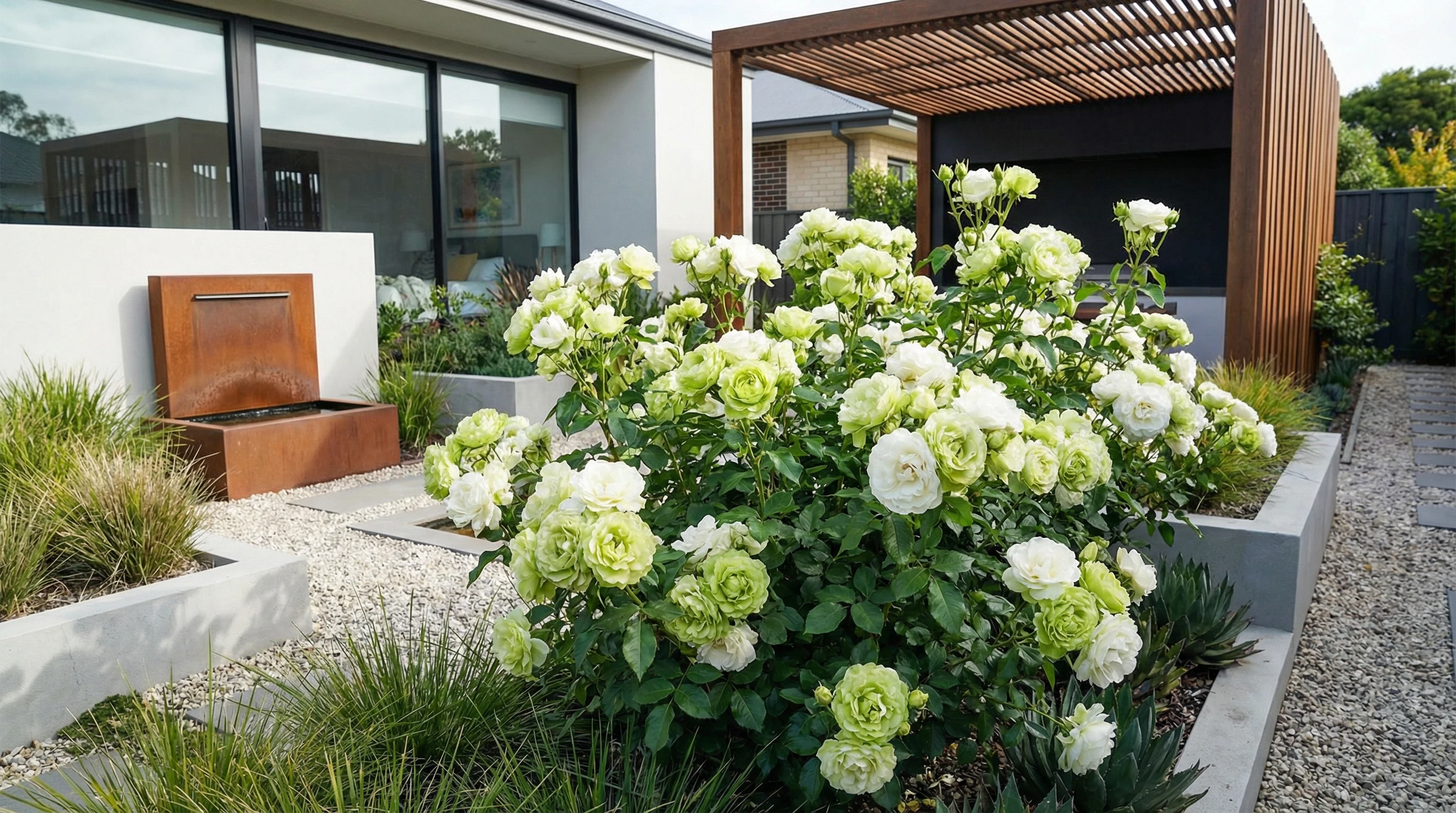
Minimalist gardens are everywhere right now, and that’s not just a passing trend.
People want outdoor spaces that feel calm, organized, and a bit more intentional.
Color choices matter in these gardens because the right flower can either quietly blend or pop as a true showstopper.
Green and white roses are having a big moment in modern garden design for exactly these reasons; they fit into a stripped-back style, but each sends a totally different message.
If you’re torn between green and white roses, you’re not alone. I see this question from gardeners and designers pretty often.
This guide will break down how these unique rose colors play into modern garden design, covering their visual impact, symbolism, growth habits, and the best ways to put them to work in your space.
For anyone curious about rare rose shades, check out Unusual Rose Colors: A Complete Guide and Green Roses: The Hidden Gem of Rose Gardens for deeper dives.
Simplicity, Structure, and the Power of Color in Modern Gardens
Modern gardens focus on structure, shape, and subtle beauty.
Instead of packing borders with clashing blooms, designers now prefer strong lines, open spaces, and a more neutral palette that lets individual plants shine.
Here, every flower has to earn its place, and color becomes one of your most powerful tools.
The bloom you choose can steer the look and feel of your whole garden.
That’s why deciding between green roses and white roses matters more than it might seem at first glance.
Color Psychology: How Green and White Roses Change the Mood
How Flower Color Shapes Modern Design
Color is a shortcut to shaping a garden’s atmosphere.
In a minimalist garden with lots of concrete, wood, or black planters, even a single rose can set the tone.
Green is naturally calming; it’s everywhere in nature and quietly fades into the background.
White, on the other hand, grabs attention. It seems brighter and pops against almost any backdrop, especially at dusk or in moonlight.
Green Roses vs. White Roses in the Design World
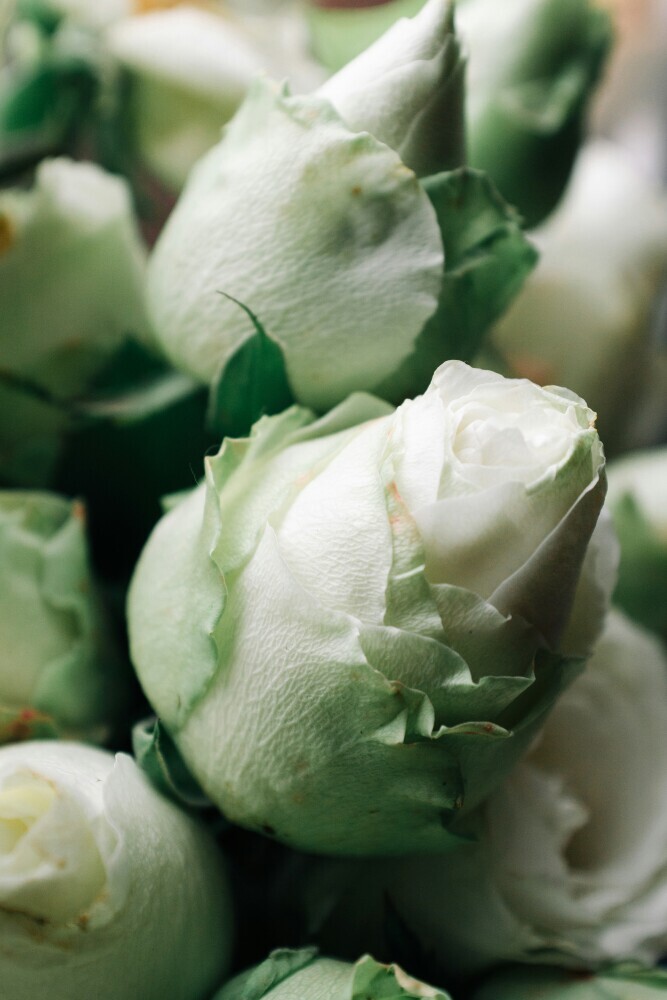
Green roses keep things mellow, blending almost seamlessly with the foliage while adding something unexpected.
White roses, by contrast, deliver instant impact and sharpness.
Designers use green roses for subtlety and elegance, while white roses serve as focus points or to make a garden feel light and open.
A little color theory helps here.
Neutral gardens are trending for a reason; they offer a sense of peace, and too much color can make things feel crowded.
Green roses softly underline the garden’s structure, while white roses act like spotlights.
Green Roses: What Makes Them Special?
How Green Roses Came to Exist
Green roses are a big surprise in the rose world.
Their color is due to a lot of retained chlorophyll, which gives plants their green color.
Some green roses appeared because of genetic mutations, while others are the product of deliberate breeding.
Some growers kept crossing roses until they got these all-green blooms.
They aren’t dyed, and the effect isn’t just a pale yellow or faded bloom; it’s a true green, sometimes edged with cream or a touch of pink, but always distinct from regular foliage.
Popular Green Rose Varieties You’ll See Today
- ‘Viridiflora’: The classic green rose. Small buttonlike blooms with spiky petals. Not much scent, but very reliable.
- ‘Green Ice’: A miniature rose that starts white and then shifts to soft green as the flowers age. Looks great in pots or compact borders.
- ‘Super Green’: Usually seen as a cut rose, this one’s a modern hybrid with soft, palegreen petals and a rounder bloom shape.
Green roses don’t usually give off a strong scent, and some can look a little scruffy up close.
But they’re tough plants, often handling pots, garden beds, or even greenhouse growing, if you want to try something different.
White Roses: Timeless but Never Boring
The Science Behind White Roses
White roses don’t have pigments called anthocyanins, which are responsible for deep flower colors.
A true white rose holds its color without fading to yellow as the season goes on, though some varieties shift slightly with age or in cold weather.
Getting a pure white that doesn’t develop pink or cream edges is more rare than most people expect, which is why some classic varieties are still so popular.
Well-Known White Rose Cultivars
- ‘Iceberg’: Maybe the most-planted white rose of all time. Reliable, long-blooming, and easy to grow, although a little prone to black spot in humid climates.
- ‘White Meidiland’: Very hardy, is a good groundcover rose with clean white flowers and glossy leaves.
- ‘Pope John Paul II’: Big, showy blooms and a powerful scent. If you want a classic white with a standout fragrance, this is worth checking out.
White roses fit into modern, minimalist gardens as well as old cottage borders. They offer many choices, especially for sunny spots where you want maximum impact.
Visual Impact: Subtlety or Wow Factor?
How Green Roses Look in Modern Planting
Green roses are about blending in while still being noticed.
They work best up close, in small groups, or as part of a simple, structured bed.
They don’t overpower other plants and are a nice way to break up texture in a planting scheme.
Because they echo the greens of the leaves, they’re perfect for people who love minimalist garden vibes and want something unique.
Where White Roses Shine
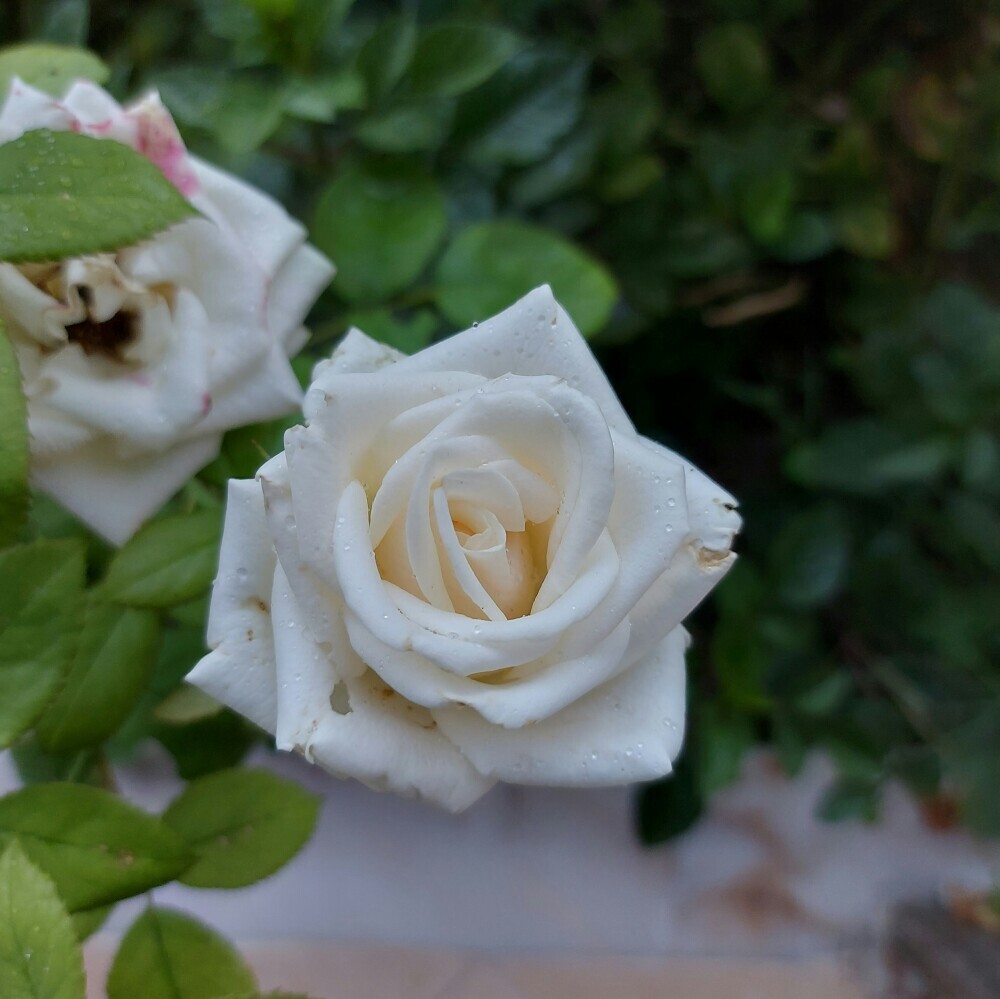
White roses practically glow, especially in evening light.
They draw the eye and work well as accents among darker foliage or architectural materials like slate, metal, or black planters.
In some modern gardens, too many white roses can actually clash and throw off the balance, so designers often use them in small numbers for the biggest effect.
Uniqueness Factor: Which Rose Really Feels Rare?
Are Green Roses Actually Rare?
You’re much more likely to get “what kind of rose is that?” questions about green varieties.
They’re still tough to find in nurseries, and not every garden center knows what they are.
Botanically speaking, green roses used to be a true oddity, occasionally popping up as a quirk, but now grown intentionally for collectors and people who want something different.
Why White Roses Don’t Feel as Exclusive
Even though getting a perfectly white rose is tricky for breeders, white roses can be found almost everywhere.
Their classic look is a safe bet for any garden, but that also means white doesn’t have the same novelty that green roses do.
Rarity is all about perception, and white can sometimes feel ordinary in some design settings.
Growing Experience: How Hard Is It to Keep Each Rose Happy?
Green Rose Care
Green roses are generally as sturdy as their more colorful relatives.
They handle regular garden climates well, shrug off most rose diseases, and don’t drop petals messily.
Some only bloom once each season, but others flower in waves.
In my own experience, green roses usually don’t suffer from sunburn or weather issues, maybe because their color hides minor flaws so well.
White Rose Maintenance
While most white roses are easy for beginners, keep an eye out for a couple of quirks.
Bright sun can sometimes scorch the petals, and heavy rain or wind can leave stains.
Regular pruning and deadheading keeps them looking smart.
Many modern white rose varieties are disease-resistant and reliable—just make sure your preferred type suits your local climate and your willingness to keep up with care.
Symbolism: Meaning Behind the Blooms
Green roses hint at renewal, harmony, and growth.
They give a sense of new starts and quiet confidence. White roses, in comparison, stand for purity, simplicity, and timeless elegance—a blank slate but with a little extra flair.
If you’re picking a color by the message you want your garden to send, this part really matters. Trends might switch up, but meaning tends to stick.
More on this: Symbolism of Unusual Rose Colors for a closer look at what rare hues mean in garden design.
Green or White Roses: Which One Sends the Strongest Message?
Why Green Roses Might Be Right For You
- You love clean lines and repetition, and you don’t want bright colors stealing the atmosphere.
- You enjoy explaining your unusual plant choices to visitors—green roses always spark a conversation.
- You prefer flowers that quietly upgrade your garden’s style without shouting for attention.
Why White Roses Still Rule Certain Spaces
- You need bright spots in a shady or dark garden for some lift.
- You want classic beauty with immediate visual effect.
- You want a low-stress, widely available plant with decades of solid performance behind it.
Mistakes to Avoid When Choosing
- Expecting green roses to make a bold statement from far away—their magic is seen up close, not from the street.
- Planting too many white roses without thinking about background colors or surrounding garden structure; it’s easy to turn a modern garden washed out instead of fresh.
- Ignoring the role of leaves, hard surface, or nearby materials. Roses alone often look out of place—context is everything.
- Focusing only on color, not the kind of maintenance you’re willing to keep up with.
Frequently Asked Questions About Green & White Roses
- Are green roses natural?
Yes, green roses are real. Their color comes from extra chlorophyll and, in most varieties, a mix of mutation and deliberate breeding (see Green Roses: The Hidden Gem of Rose Gardens). - Do green roses stay green all season?
Most green rose varieties keep their color through the bloom’s life. Some fade or shift a little but won’t turn pink or yellow. - Are white roses hard to take care of?
Not really, but they’re more likely to get petal burn or spots in harsh sun or rain. Newer kinds can be tougher than you think. - Which color is better in a small garden?
Green roses work well up close and don’t overpower tiny spaces. White roses add brightness but might look harsh if you use too many. - Will green roses work in pots or containers?
Definitely. ‘Green Ice’ and mini green roses thrive in pots with good drainage and some protection from harsh afternoon sun.
Which Rose Makes the Boldest Impact in a Modern Garden?
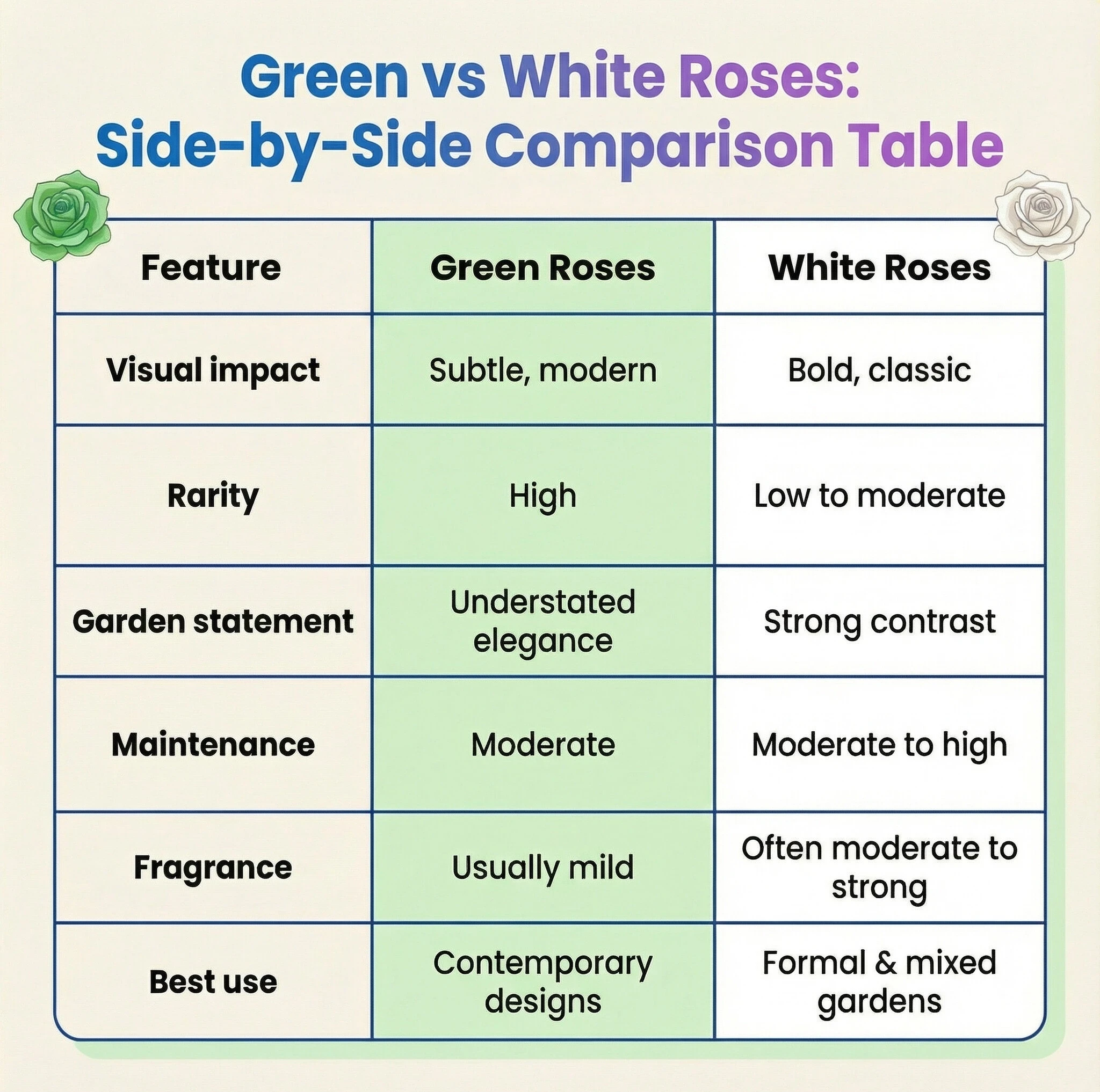
If you’re after a design-forward feel and a touch of exclusivity, green roses are hard to beat.
They’re subtle but always snag attention from garden visitors who look for detail.
White roses, on the other hand, are a clear pick if you love bright highlights, tons of options for shapes and scents, and style that just doesn’t go out of fashion.
The choice depends on what kind of vibe you want your garden to communicate—both options look brilliant when used with intention.
If you want more rare rose matchups, check out Black Roses vs Deep Red Roses, Blue Roses vs Lavender Roses, or the Repeat Flowering Roses series for even more ways different roses perform in modern gardens.
Links, Next Steps, and Useful Resources
Looking for other unique rose colors? Head to Unusual Rose Colors: A Complete Guide for photos and tips.
If you’re shopping for rare roses, lots of nurseries now carry green and white cultivars for modern landscaping, plus soil products made just for pale blooms.
You can also go a bit further by growing these roses in a passive greenhouse using drip irrigation for outstanding blooms.
No matter which rose color you choose, the strongest statement comes down to your style and what makes you smile when you step outside.
Use what fits your personality and your space, and your garden will never feel out of sync.