
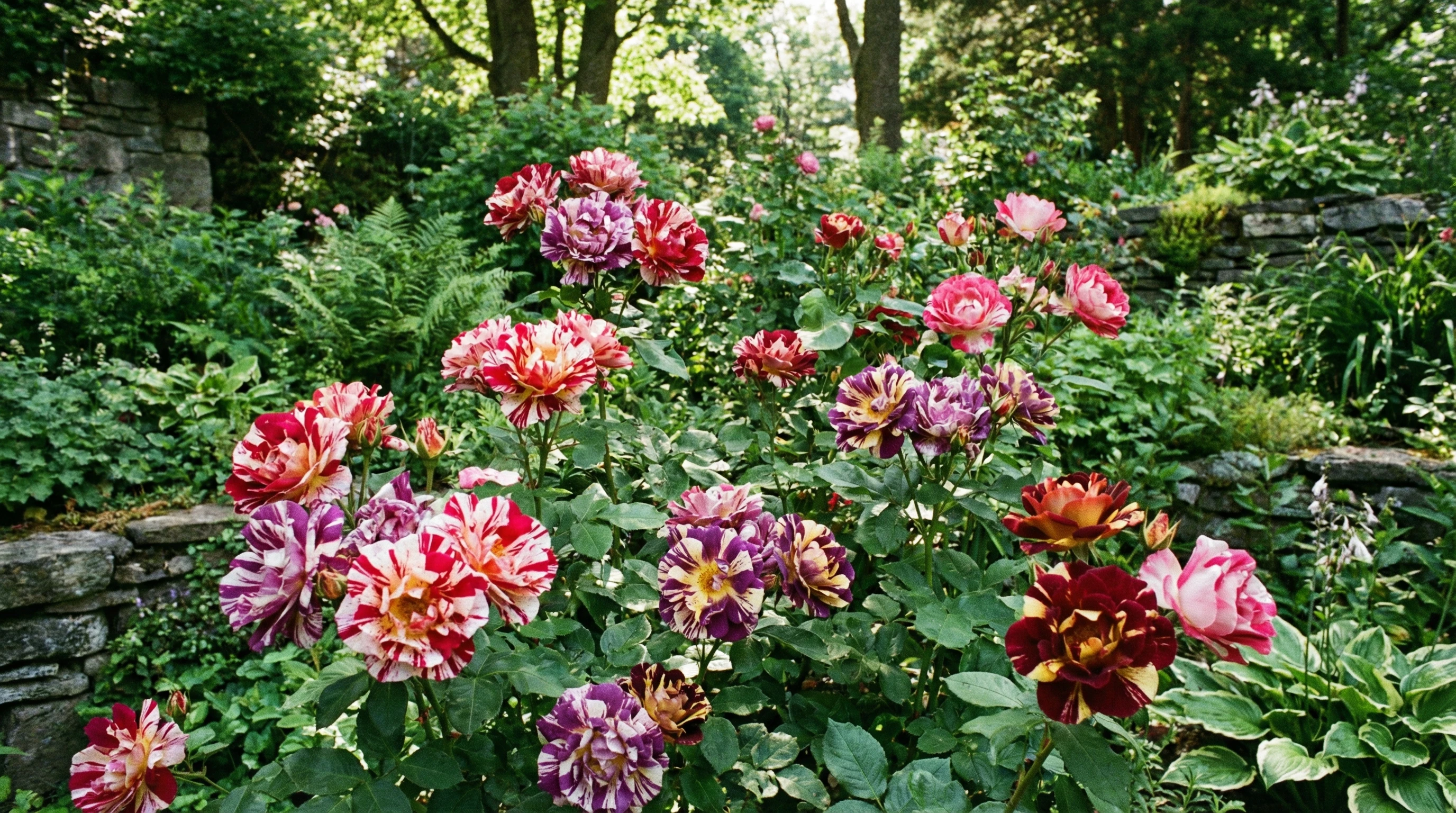
Roses have always had a way of stopping me in my tracks, but striped and two tone roses?
Those are true show stoppers.
Sometimes, these flashy roses are so striking, they barely look real, like nature decided to show off a bit.
Designers, collectors, and gardeners all seem to agree: when you want your garden beds or bouquets to make a statement, you reach for the roses with the boldest color patterns.
I’ve noticed a lot of folks get mixed up about what really counts as a striped rose versus a two tone rose.
Sometimes the lines blur with all the streaks, splotches, blends, and bicolors out there.
So, how do you know which type will actually give your yard (or your flower vases) the biggest splash of drama?
This guide sorts out exactly what makes striped and two tone roses unique, why each type draws the eye in its own way, and which one might fit your style.
I’ll also touch on consistency, garden performance, and those little surprises you get from each type.
For more on rare and head turning roses, check out Unusual Rose Colors: A Complete Guide, Striped Roses. Nature’s Masterpiece in Rose Cultivation, or Two Tone Roses. Stunning Varieties with Dual Colors.
How Striped and Two Tone Roses Actually Differ
Striped Roses: The Wildcard of the Rose World
Striped roses are kind of like the rebels of rose breeding. Each petal shows random streaks, flecks, or splashes, usually in bold, contrasting colors.
This patchwork look comes from interesting genetic quirks (called “sports”) or, sometimes, naturally occurring viruses that shake up pigment expression.
If you find one striped rose you love, don’t expect every flower on the bush to look exactly the same.
Part of the fun is how no two blooms match up perfectly.
Two Tone Roses: Cleanly Split Color Drama
Two tone roses work with a much clearer formula.
You usually get petals with very obvious dual coloring, like red petals with yellow edging or a solid pink bud that opens to reveal creamy white reverse sides.
These bicolor effects come in many setups: margins, gradients, or even just sharply separated layers of color.
Because breeders carefully control pigment placement in these roses, you’ll see a lot more consistency in how they bloom.
Clear visual language makes a big difference here.
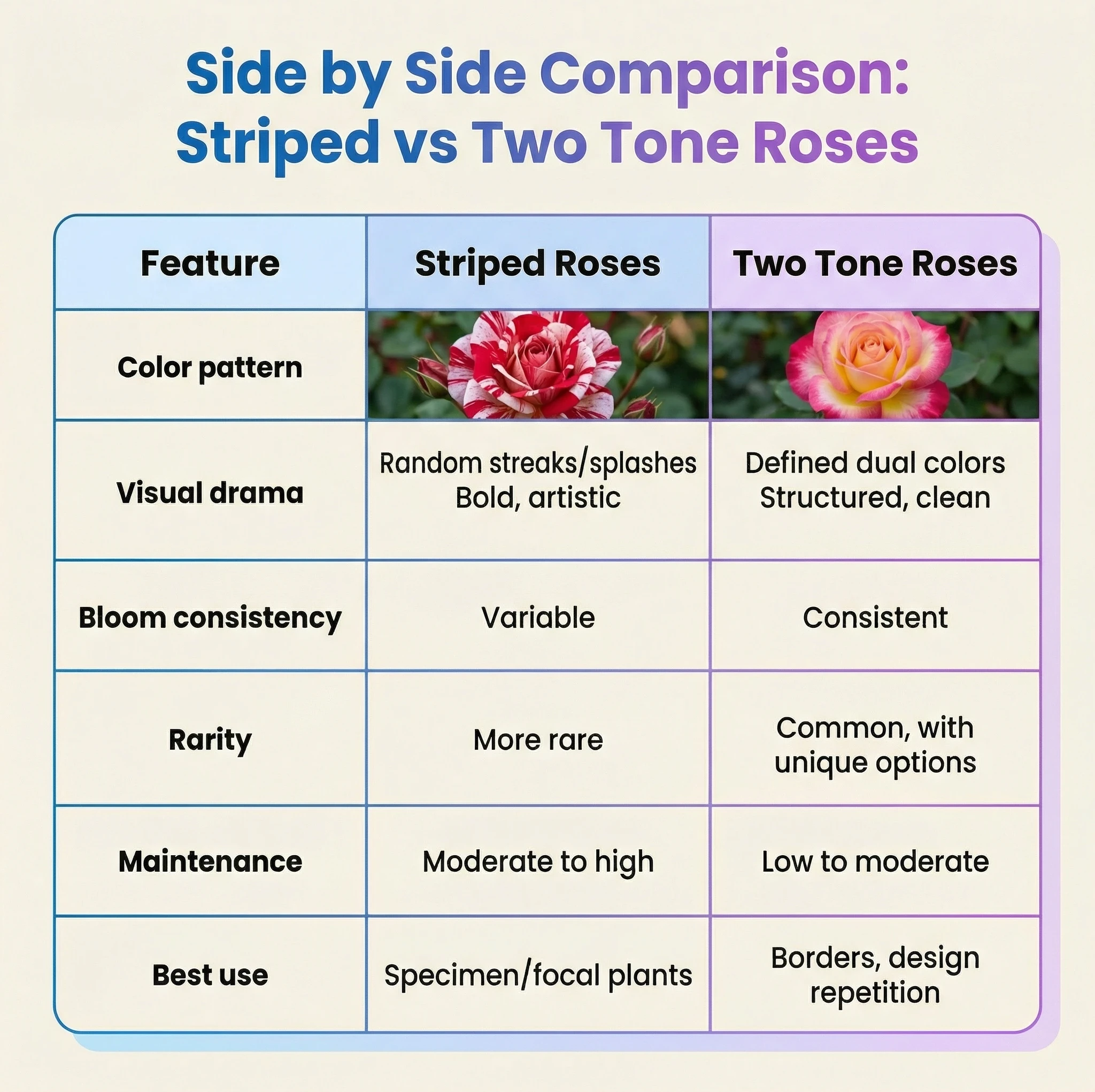
Stripes look accidental or painterly, while two tones play with order and structure.
Once you realize this, it’s so much easier to spot them at the garden center.
The Genetics That Drive These Bold Looks
Striped Genes: Never the Same Twice
If you’ve ever seen a rose with dramatically different stripes from one bloom to the next, you’ve watched rose genetics in action.
The stripes result from sudden mutations or pigment expression quirks.
Sometimes, temperature swings or late frosts can make the stripes bolder or, on the flip side, cause them to fade a bit.
With striped roses, there’s always a slight chance the blooms will switch up back toward solid colors over time. This quirky process is called “reversion.”
Two Tone Reliability: More Predictable Patterns
Breeders have dialed in the formula for two tone roses.
Cross breeding focuses on producing flowers with sharp divisions or smooth color blending that holds true each season.
That means you’ll almost always see the same pattern and color contrast with every flush of blooms.
If you want a rose that stays true to its catalog photo, two tones are a safer bet.
This consistency is one big reason landscape designers love using two tone roses, especially in carefully planned borders or repeating patterns.
Visual Drama in the Garden (or Vase)
Striped Roses: Loud, Artistic, and Eye Grabbing
The stripes on these roses really remind me of abstract art.
They’re unpredictable and usually pretty bold. You’ll see reds splashed onto white petals, gold on deep burgundy, and even hot pink paired with buttercream yellow.
Because every bloom tells its own story, striped roses work best as focal points or statement pieces.
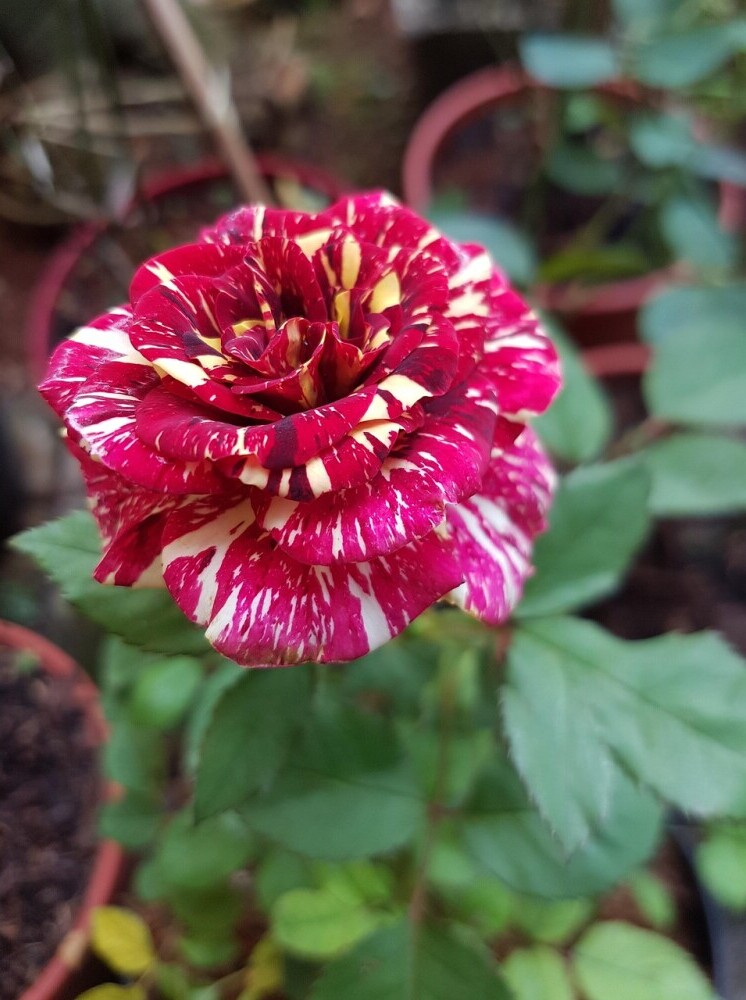
I wouldn’t plant a ton of different stripes together in one bed. Things might get a little too wild, and your visitors may wonder if you’ve started modern art gardening on purpose.
Adding just one or two as specimen plants packs a big punch.
Two Tone Roses: Drama with Order and Class
Contrast and elegance really shine in two tone roses.
Giant creamy petals edged in cherry red, or lavender blooms with a sunny yellow base, carry plenty of visual impact but in a much more controlled way.
These roses click in border plantings, along garden paths, or anywhere you want repeated splashes of color that don’t clash
. The clean lines and repeating drama set a nice rhythm that feels intentional and organized.
Which Feels Rarer (and Why That Matters)
Striped Roses: Curiosity Factor
Most people think of striped roses as rare or hard to find, and in a way, that’s pretty true.
While you can order them online, few nurseries carry a wide selection, and even then, the intensity of the stripes can change from year to year.
That element of “catch it if you can” makes them really appealing for collectors.
Two Tone Roses: More Popular, Still Impressive
Two tone roses are way more common in the trade.
Breeders have pumped out tons of reliable cultivars, so you’ll find everything from old fashioned hybrid teas to cutting edge grandifloras showing off perfect bicolor patterns.
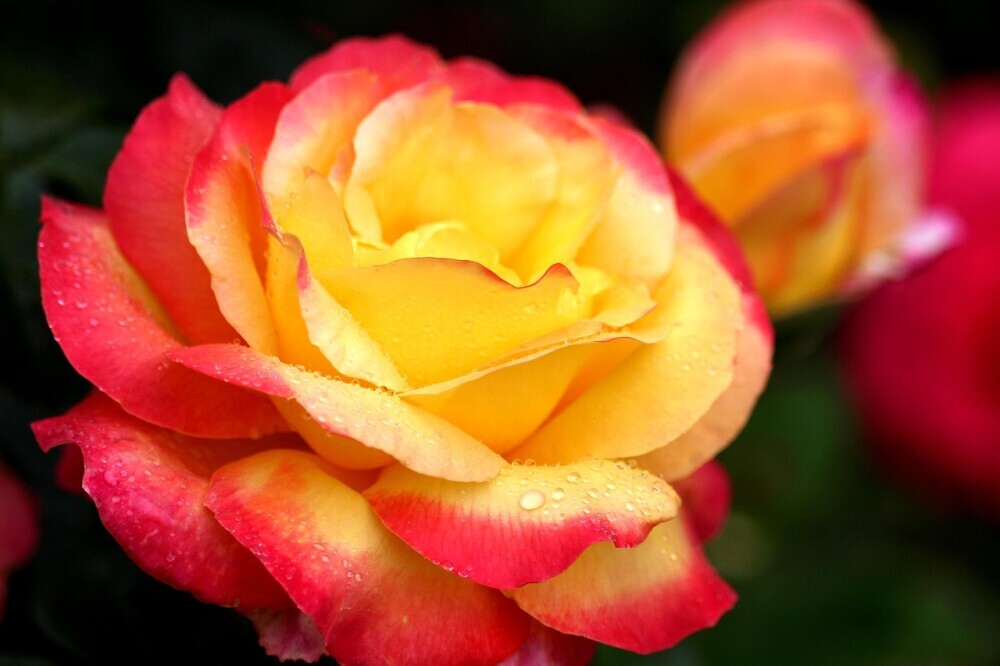
While they might feel a bit less rare, they’re always in demand for celebratory bouquets and formal gardens.
Perceived Rarity Isn’t Always Garden Reality
From what I’ve seen, unpredictable patterns increase how “special” a plant feels.
With striped roses, every surprise bloom counts as a new stumble upon.
On the other hand, if you want matching blooms every time, the consistency of a bold two tone rose stands out in its own way, especially when you want your garden to look tidy all season.
Growing and Maintaining Each Type
Growing Striped Roses
Caring for striped roses takes a little extra patience.
You might see a striped bush send out a side shoot that reverts to just one color.
Pruning off those solid stems helps keep the stripes coming, but be ready for a little extra work.
Also, some older striped varieties seem more prone to disease, so keeping air circulation up with smart spacing and regular pruning pays off.
Each year brings its own surprises with color patterns and plant health.
Watch for powdery mildew and black spot, and take action early so your spectacular flowers keep coming.
Make sure your striped roses get plenty of sunlight, healthy soil, and mulch to retain moisture.
Regular feeding in spring and mid summer helps boost both flower production and the intensity of their patterns.
Growing Two Tone Roses
Most two tone roses are straightforward to grow, especially newer varieties bred for disease resistance.
Their color patterns stick around season after season, and most put out repeat blooms reliably through summer and fall.
If you aren’t into patchy results, you’ll appreciate how two tone roses stick to their script.
Plus, you can find just about every rose shape and fragrance available in two tones, making them great for beginners and collectors alike.
For best results, give your two tone roses regular doses of balanced fertilizer, prune lightly after flushes of blooms, and ensure good drainage to avoid root problems.
Most of these varieties handle heat, humidity, and even some drought, depending on the rootstock and original breeding.
Fragrance and Flower Power
One big question I hear: do super fancy roses still smell good?
Some older striped types don’t have strong fragrance, since they were bred mostly for looks.
However, more breeders are now combining classic scent with these bold patterns, so it’s worth sniffing around at your nursery.
As for two tone roses, many have a rich perfume, and repeat bloomers are easy to find.
For a lineup of extremely fragrant roses, check out Extremely Fragrant Roses: The Ultimate Guide. It’s really worth it if you want flowers that smell as good as they look.
Which Delivers More Drama, and For Whom?
Striped Roses Are Great If:
- You appreciate quirky, one of a kind flowers
- You don’t mind a surprise every season
- You want your garden to make people stop and stare
Two Tone Roses Are Perfect If:
- You like strong color contrast with a cleaner look
- Your garden design leans toward rhythm and structure
- You want showy color without the unpredictability
Common Mistakes with Striped and Two Tone Roses
- Expecting every striped rose bloom to match perfectly
- Planting too many striped varieties in a tight space, which can get visually busy fast
- Thinking all two tone roses are “plain” compared to stripes (some are truly eye catching!)
- Not considering the shape or color of nearby foliage, which changes the drama level
Frequently Asked Questions
- Are striped roses genetically stable? Usually not. Their striking patterns come from mutations or viral influences, so stripes can change or disappear over time.
- Do striped roses ever revert to solid colors? Yes, it happens. Regularly pruning out one tone canes helps keep the stripes showing.
- Are two tone roses easier to grow? Generally, yes. Most are bred for consistency and are less fussy about keeping their pattern year after year.
- Which works better in small gardens? Two tone roses are a bit easier to style in small, coordinated spaces, since their color is more predictable.
- Do striped roses flower less often? Not always, but certain old varieties put a bit more energy into the foliage or can be more sensitive to weather swings.
Bold Colors: Which One Wins?
Striped roses give the wildest, most artistic blooms you can find.
Each flower can be its own mini masterpiece, and that’s what makes them hard to resist.
Two tone roses are easier to work into most garden schemes, delivering dramatic color with a clean, repeated twist that looks polished all year.
Picking the right one just depends on how much chaos or control you want in your outdoor space, or your pick your own bouquet.
Both types have stood the test of time in rose gardens all over the world.
Recommended Products to Maximize Color Drama in Striped & Two Tone Roses
Bold roses deserve the right care to keep their colors crisp, vibrant, and eye-catching. These Amazon-available essentials help striped and two tone roses perform at their best in both gardens and containers:
- Organic Rose & Flower Fertilizer – Supports strong blooms and enhances color intensity without pushing excessive leafy growth that can dull patterns.
- Dr. Earth Total Advantage Rose & Flower Fertilizer – A microbe-rich organic option that improves soil health, helping roses maintain vivid striping and clean bicolor contrast.
- Corona ClassicCUT Bypass Pruners – Clean, precise pruning is essential for striped roses to prevent color reversion and encourage healthy, dramatic blooms.
- Disease & Pest Control – Keeps black spot, mildew, and aphids in check so foliage stays clean and colors remain the main attraction.
- Natural Hardwood or Cocoa Mulch – Helps regulate soil moisture and temperature, which plays a big role in pigment stability and bloom quality.
- Decorative Rose Supports or Trellises – Ideal for taller two tone varieties or striped climbers, allowing blooms to be displayed front and center for maximum visual impact.
Tip: Consistent feeding, smart pruning, and disease prevention go a long way toward keeping bold rose colors sharp instead of muddy or faded.
Extra Rose Resources & Next Steps
If you’re hooked on the idea of unusual roses, make sure you check out Unusual Rose Colors: A Complete Guide (pillar post), Black Roses vs Deep Red Roses, Green Roses vs White Roses, and the Repeat Flowering Roses series to get the inside scoop on varieties and garden performance.
If you’re shopping, look for nurseries that specialize in striped cultivars if you want true variety.
For landscape ready drama, lots of growers offer bundles of two tone roses that do double duty for borders or cutting gardens.
If fungal issues are a worry (especially with stripes), check out disease management products specifically for sensitive rose types before your plants run into trouble.
Consider talking to local gardeners or asking at your nursery for rose types that do well in your area’s climate, since weather can affect both color patterns and health.
Remember, whether you choose striped or two tone roses, you’re signing up for a garden full of next level cool and bold color.
Enjoy watching them bloom and seeing which style becomes your new favorite!
Here’s a little transparency: Our website contains Amazon affiliate links. This means if you click and make a purchase, we may receive a small commission. Don’t worry, there’s no extra cost to you. It’s a simple way you can support our mission to bring you quality content.”