
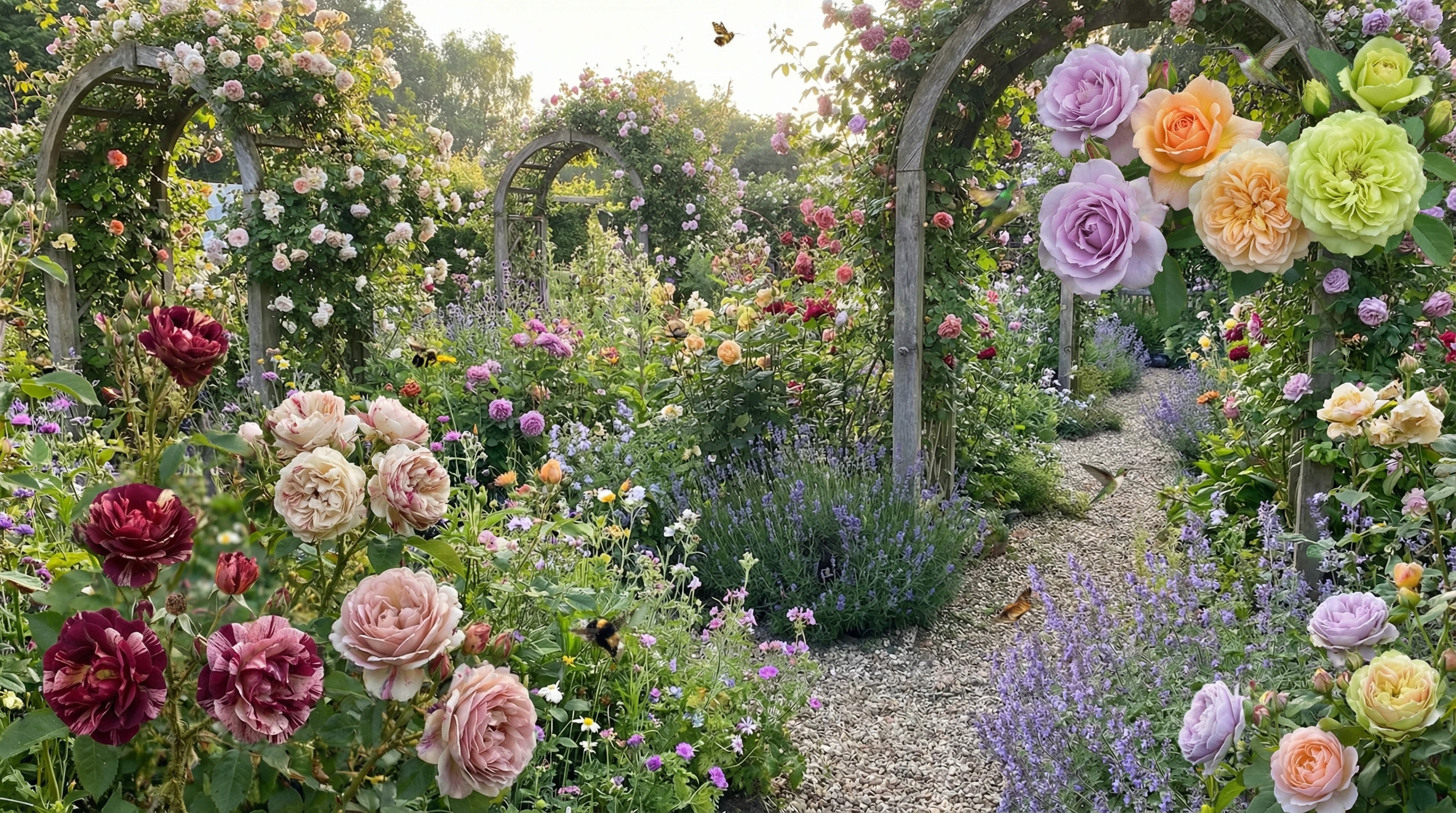
If you care about sustainability and love roses, there’s a choice you’ll probably face: antique unusual roses, with their vintage vibes and quirky traits, or modern rare roses.
These new kids on the block are bred for novelty and unique looks.
With the push toward ecofriendly gardening, people are starting to wonder if the old-fashioned approach is still better for the planet, or if today’s unique roses can offer something fresh without the typical environmental drawbacks.
Sustainability is a big deal for gardeners right now.
Between water issues, pollinator declines, and the push for low-impact growing, picking the right rose goes way beyond just color or petal count.
Antique roses and modern rare breeds both claim to be good for gardens and the wider environment.
But the question is—can either really deliver on the promise of sustainability?
I’ve put both head-to-head and I’ll spell out the differences so you can make the best call for your garden and your climate.
For a deep jump into quirky rose shades, check out Unusual Rose Colors: A Complete Guide. If you’re trying to grow roses in less-than-ideal weather, there’s also my guide to Why Should Rose Growers Consider Energy Efficient Greenhouses?
Sustainability and Roses: Why the Conversation Matters
Roses have long been one of the most popular flowering plants around the world.
But with climate change, water shortages, and switching priorities among gardeners, sustainability is now a big factor when deciding what varieties to plant.
Choosing roses isn’t only about personal aesthetics anymore.
It’s about supporting local biodiversity, reducing waste and chemical use, and building resilient gardens that can thrive with less intervention.
That’s why antique unusual roses and modern rare roses are getting so much attention—because both bring something a bit different to the sustainability conversation.
What Are Antique Unusual Roses?
Defining “Antique” in Rose Growing
When gardeners talk about “antique” roses, they usually mean types bred before 1867.
This includes old garden roses like Gallica, Damask, Bourbon, and Alba roses.
These plants come from a time before the big hybrid tea rose craze, and their style reflects that history: think perfumy blooms, bushy growth, and a reputation for being low maintenance.
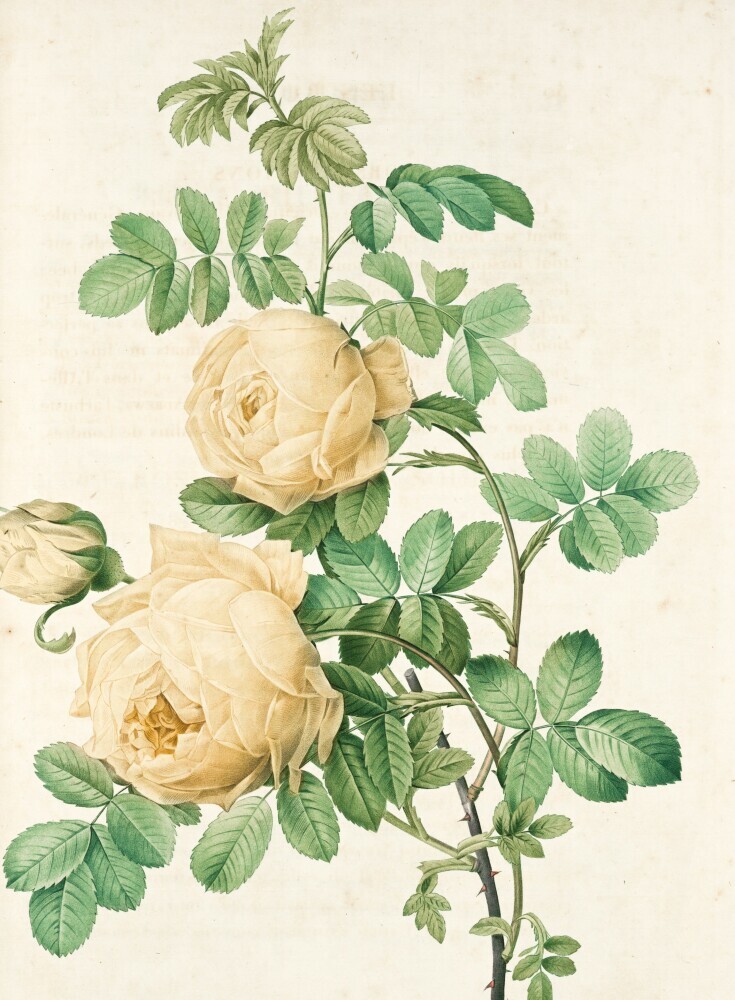
The “unusual” part usually refers to quirky forms, unique fragrances, or colors not seen in modern commercial varieties.
Antique unusual roses might have ruffled or cabbagelike petals, striped or speckled colors, or shapes that feel pretty wild by modern standards.
Their garden habits can also be a bit unpredictable, with sprawling canes or unexpected repeat blooms.
Natural Resilience of Antique Roses
One of the coolest things about antique roses is how tough they can be.
Many have deep root systems (especially if grown on their own roots) that help them survive dry spells and bounce back from tough seasons.
They often show a natural resistance to common rose diseases, which means they need less chemical intervention compared to modern hybrids.
I’ve noticed that many old rose varieties need minimal feeding, thrive in mixed borders, and handle organic garden routines including compost mulch or natural pest control.
Their resilience comes from years, sometimes centuries, of being grown in real gardens, not just laboratory conditions.
What Are Modern Rare Roses?
Defining Modern Rare Roses
Modern rare roses refer to unique or limited edition cultivars bred after 1867.
These are hybrids bred with specific traits in mind such as unexpected colors (like true blue or deep greenish tones), remarkable patterns, or compact forms that work well in small spaces or containers.
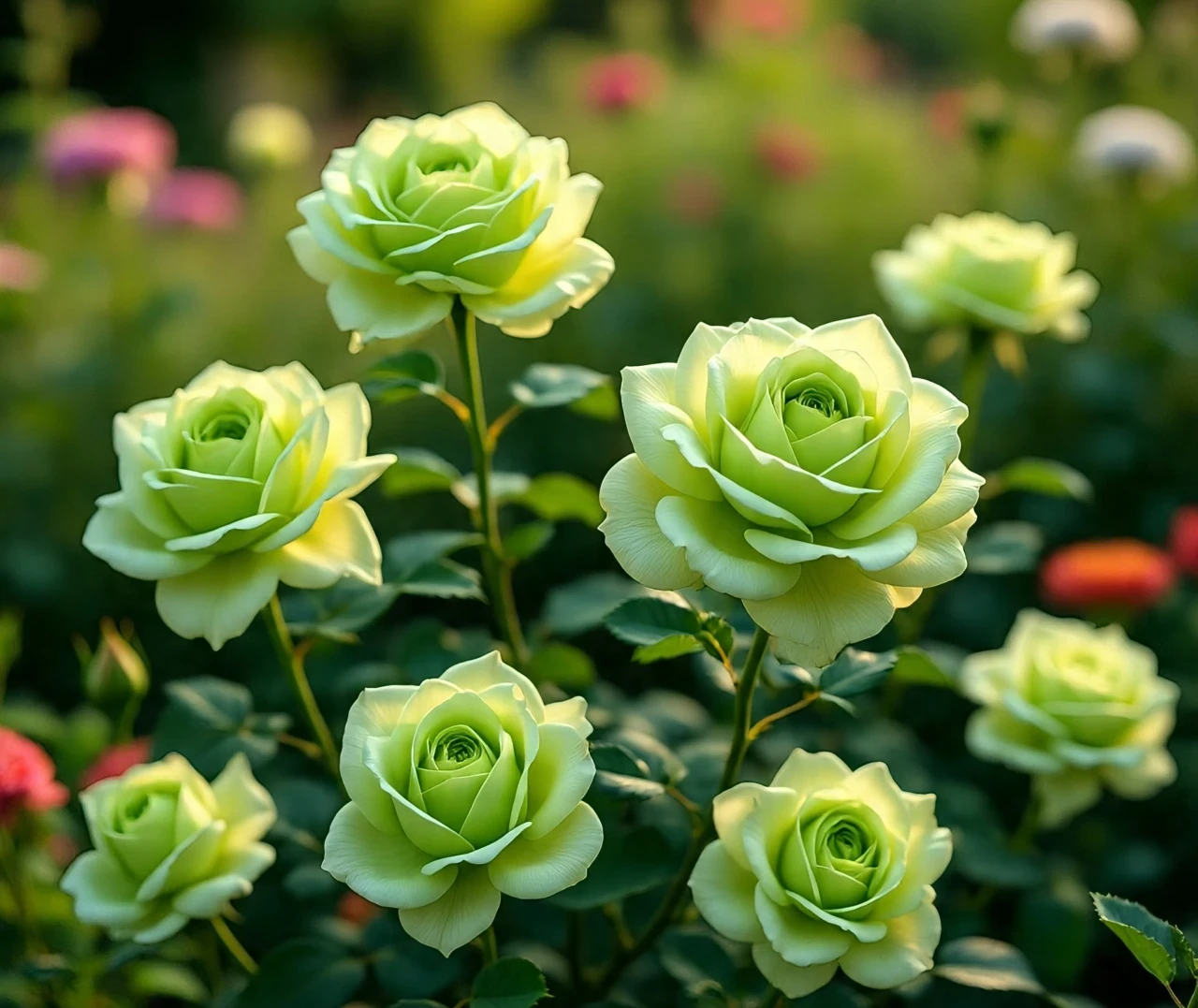
Some are rare because they’re new releases or available only from specialty breeders, while others just never made it to mainstream production.
The “rare” label typically means you won’t find these at the average garden center. Instead, you’ll spot them in niche catalogs, specialty nurseries, or online marketplaces.
Breeding Goals Behind Modern Rare Roses
Modern hybridizers often focus on traits like:
- Repeat flowering (so blooms last through multiple seasons)
- Compact growth for patios or urban gardens
- Novel petal colors, patterns, or shapes that you just don’t see on antiques
But with this focus comes trade-offs. Some rare breeds put more energy into looks than hardiness or chemical independence, which can affect their sustainability profile.
Sustainability Criteria for Comparing Roses
The most meaningful way to compare antique and modern rare roses is to break down their impact in a few key areas:
- Water use and drought resistance
- Vulnerability to disease and chemical inputs
- Soil health and garden ecosystem contributions
- Lifespan (how often you replace them)
- Support for pollinators and biodiversity
I use these same criteria when I choose new roses for my own garden. They cover the full range of environmental impact, from your backyard all the way to greenhouse gas emissions.
Water & Climate Resilience Comparison
Antique Roses and Water Efficiency
Once established, most antique roses handle drought like champions.
Their deep root systems mean they can reach water that many modern roses can’t.
That’s made them popular in dry climates, cottage gardens, and places with unpredictable rainfall.
If you’re looking for a rose that thrives on rainfall alone or only needs an occasional soak, these are a smart pick.
I’ve seen Bourbon and Alba roses continue to grow and bloom well even after weeks without direct watering.
Modern Rare Roses and Water Demand
Some modern cultivars have shallower roots, especially those bred for containers or quick turnover in production.
That can mean they need more frequent watering and have less resilience in heat waves.
While there are drought-tolerant modern roses out there, it takes some research to find cultivars adapted to your climate.
Many modern rare roses also perform best in controlled environments like greenhouses.
If you garden in the open, you might need to keep a careful eye on their moisture levels, especially during dry spells.
Disease Resistance & Chemical Dependency
Antique Roses: Natural Defense Systems
Antique varieties are usually loaded with genetic diversity, which is a fancy way of saying they can shrug off a lot of common rose problems.
Their foliage is often tougher, and their growth habits can help with airflow; both are critical for keeping fungus and insects at bay.
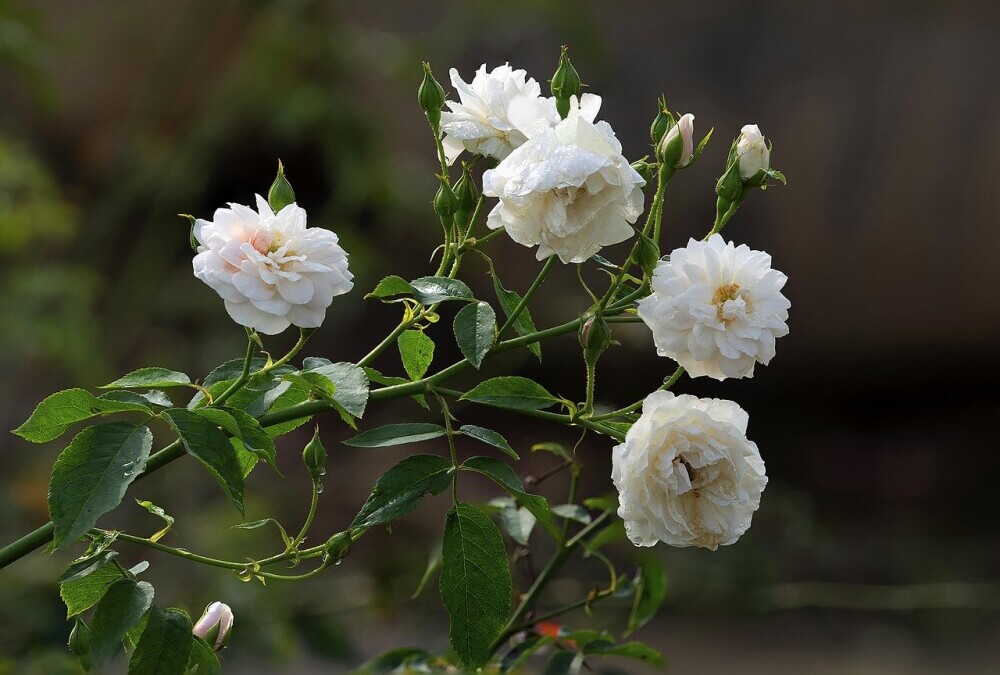
I’ve grown Damask and Gallica roses for years and rarely have to reach for fungicides or pesticides with these types.
This lower need for chemical sprays reduces the environmental load and keeps the garden safer for beneficial insects and birds.
Modern Rare Roses: Breeding Trade-Offs
Some modern rare roses are bred explicitly for disease resistance, but others put visual appeal at the top of the list, sometimes at the expense of hardiness.
For example, those with very complex or double flowers may be more prone to fungal problems because airflow is reduced inside the bloom.
The best breeders are working to change this, but be prepared to pick and choose carefully if avoiding chemicals is high on your priority list.
Soil Health & Ecological Impact
Antique Roses and Soil Regeneration
Antique roses usually fit right into organic or low-input garden systems. They respond well to compost mulches, homemade feeds like comfrey tea, and minimal tilling.
Because you’re not constantly applying synthetic fertilizers or soil amendments, you’re able to support a healthier, more diverse soil ecosystem.
In my experience, these roses help maintain a rich microbial community in the soil, which pays off with healthier plants over time.
Modern Rare Roses and Intensive Growing
Many modern roses are grown in containers, with soil replaced or heavily amended annually.
That means frequent feeding, often with synthetic or liquid fertilizers. If care isn’t taken, salts can build up, reducing soil health.
Container grown rare roses may also depend more on peat based mixes or one time use substrates, which increases their footprint.
Organic management works with some modern cultivars, but others really do best under managed, controlled systems.
Longevity & Replacement Rate
Antique Roses as Long Term Investments
Growers often describe antique roses as “plant it and forget it.” Many live for decades, and some established specimens outlive their owners.
That’s perfect if you’re building a garden for the future, not just this season.
The long lifespan means less waste, fewer replacement plants, and all the embedded energy in propagation and transport is spread out over many years.
Modern Rare Roses as Trend Driven Plants
On the other hand, some modern rares are here for a good time, not a long time.
Because they’re often chosen for a specific color fad or limited edition appeal, there’s a fast replacement cycle as tastes or garden spaces change.
Some also have shorter lives by design, trading vigor for compact size or repeated blooming.
If keeping plants going through generations matters to you, antiques are worth considering.
Biodiversity & Pollinator Support
Garden biodiversity relies on flowers that offer nectar and pollen to bees, butterflies, and other insects.
Antique roses often have single or semi double flowers that make their reproductive parts easy for pollinators to reach.
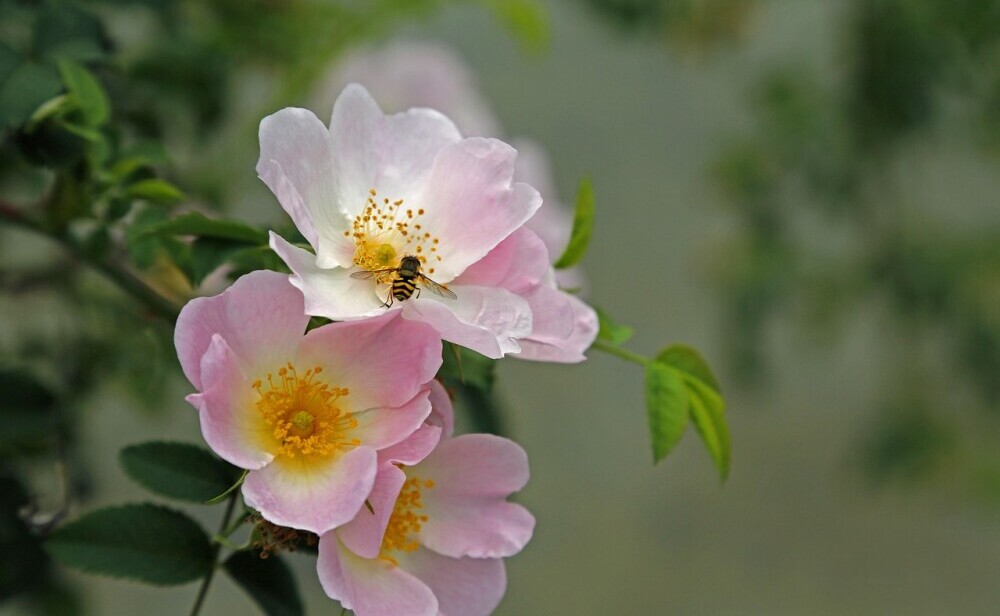
Because they’re less altered from their wild ancestors, many provide useful food for a variety of creatures.
Modern rare roses vary a lot. Some boast pollen rich centers, but many double or novelty forms make it harder for insects to access nectar.
If pollinators are high on your priority list, check flower structure and watch to see which varieties the bees prefer.
Learn more about unusual rose shades and their impact in Unusual Rose Colors: A Complete Guide.
Carbon Footprint & Supply Chain Choices
Locally grown antique roses often have a lower carbon footprint since they can be propagated in your own region and sometimes shared between gardeners.
Imported or patented modern rare roses, however, often travel long distances, sometimes involving refrigerated shipping, tissue culture propagation, or special licensing.
Greenhouse grown roses can add extra energy use, particularly for out of season production.
If minimizing emissions is important for your garden, ask your supplier about propagation and shipping practices.
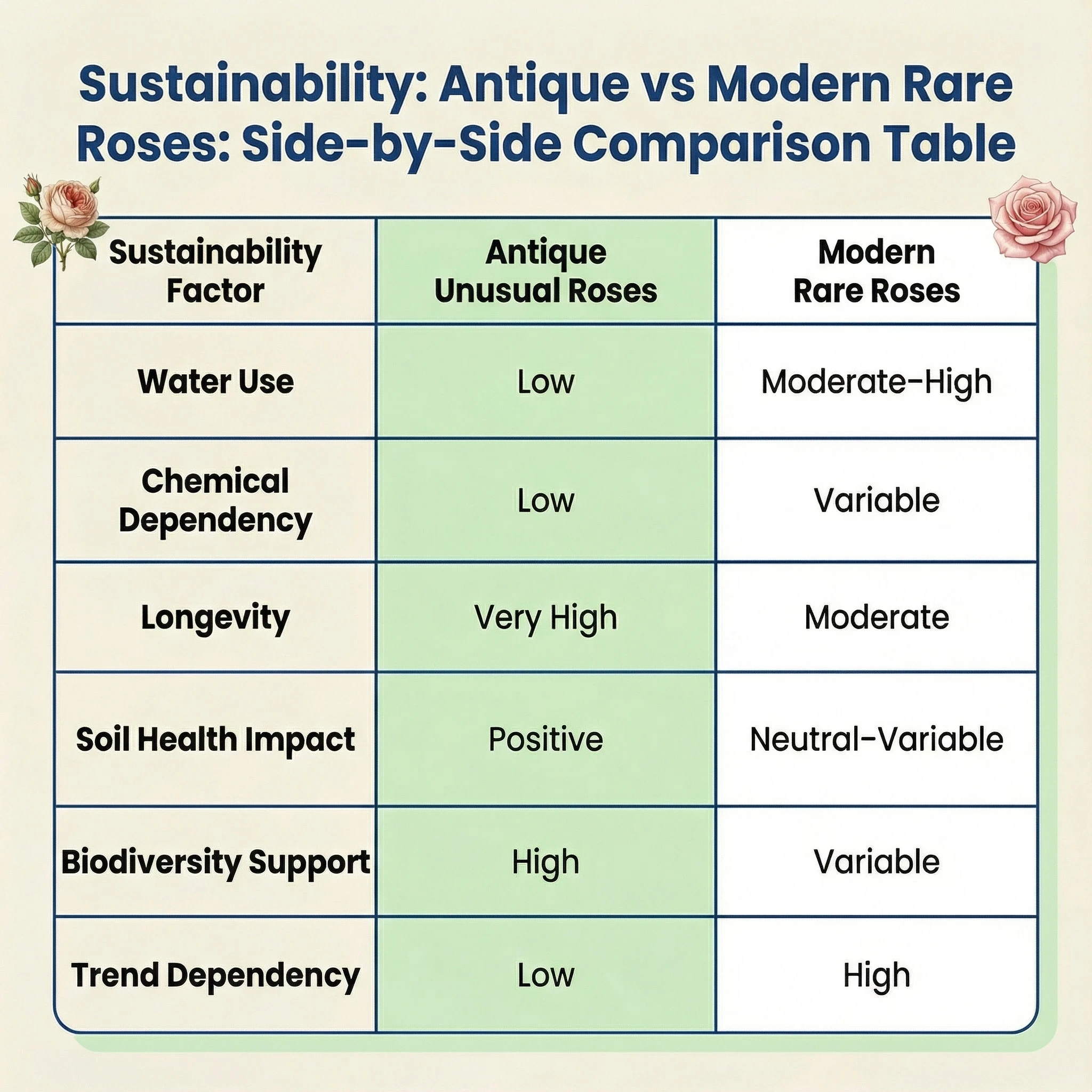
Who Should Choose Which? Matching Roses to Your Sustainability Goals
Antique Unusual Roses Might Be Your Style If:
- You’re after a low input, low maintenance garden
- Organic or regenerative gardening is your thing
- You want a legacy garden that supports biodiversity and lasts for decades
Modern Rare Roses Suit You If:
- You need compact growth for a small or urban garden
- You enjoy growing in greenhouses or controlled spaces
- Next-level cool looks or colors are important, as long as you’re willing to manage inputs responsibly
Common Myths and Sustainability Mix-Ups
- Newer roses aren’t always more ecofriendly; sometimes resilience is lost for visual traits
- “Rare” doesn’t mean hard to grow, but you might need more care with some modern cultivars
- Old roses are far from outdated; many offer sustainability perks that modern roses can’t yet match
- Just because a rose is eye catching, it doesn’t mean it’s better suited for eco conscious gardens
Frequently Asked Questions
- Are antique roses more sustainable than modern roses?
If you want low budget, low maintenance, and low waste gardening, antiques generally work better for sustainability. Some modern roses can be managed sustainably, but many need more input. - Do modern rare roses require more chemicals?
It depends on the cultivar. Some are bred for resistance, but a lot need regular sprays to look their best. - Can antique roses thrive in a modern garden?
Definitely. They handle mixed borders, organic management, and tough conditions just as well as, sometimes better than, modern roses. - Are modern roses bred with sustainability in mind?
That’s happening more now, especially as gardeners request it. But it’s not a given, so always check with the breeder or supplier. - Which roses have the lowest environmental impact?
Locally propagated, naturally robust antique roses, grown organically, tend to have the smallest footprint.
Recommended Sustainable Rose-Growing Tools & Supplies
 5
5
Whether you lean toward resilient antique roses or carefully selected modern rare cultivars, the right tools and inputs can significantly reduce your garden’s environmental footprint.
These practical, sustainability-focused products from Amazon support healthy roses with fewer chemicals and less waste:
Organic Rose Fertilizers & Soil Amendments
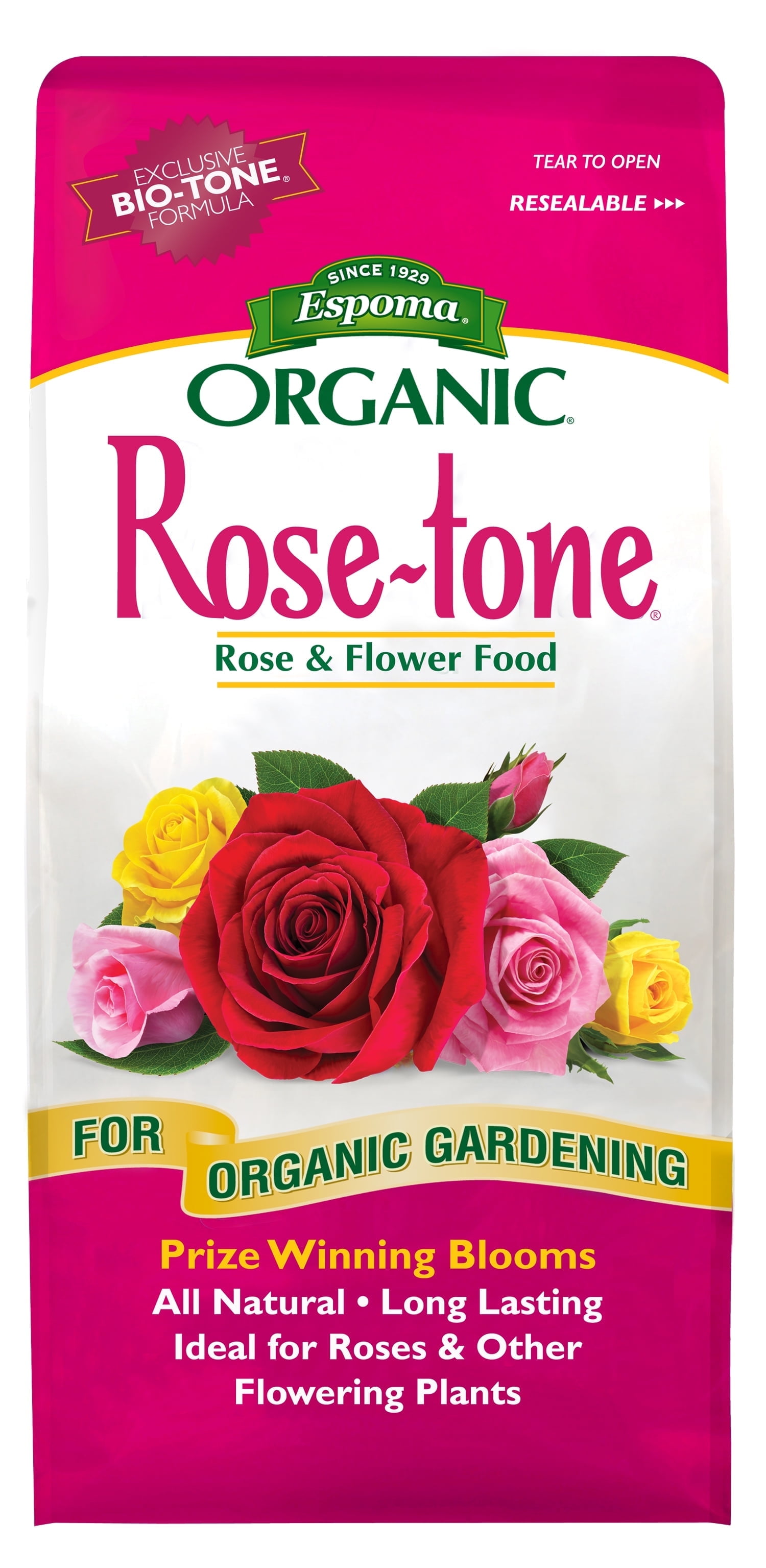
Slow-release organic rose feeds encourage steady growth without salt buildup or nutrient runoff.
They’re especially effective for antique roses and for modern varieties grown in regenerative or low-input systems.
Compost Mulch or Mulching Materials
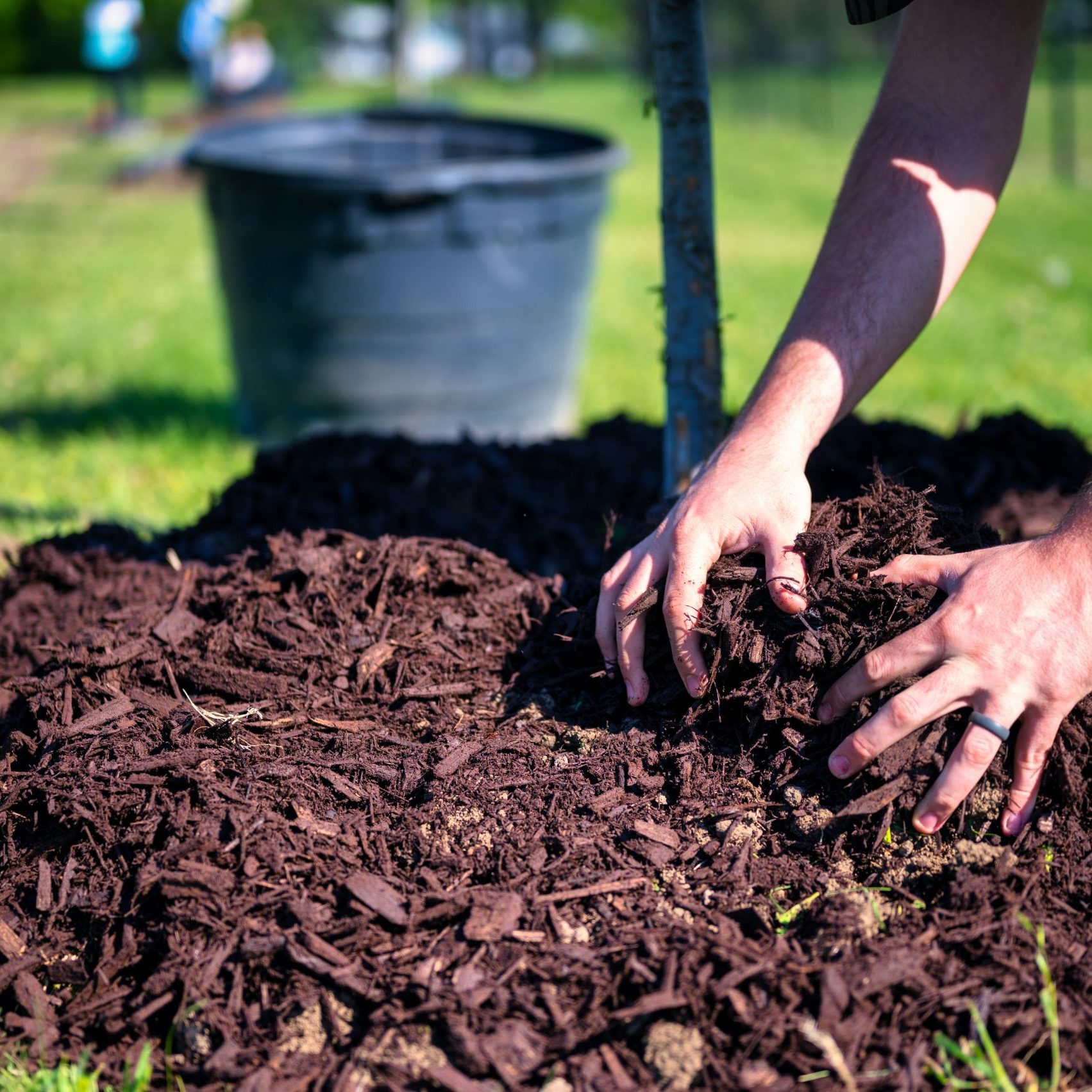
Mulching is one of the most sustainable gardening habits you can adopt.
Organic mulches help regulate soil temperature, reduce evaporation, suppress weeds, and feed beneficial soil microbes—perfect for deep-rooted antique roses and container-grown modern rares alike.
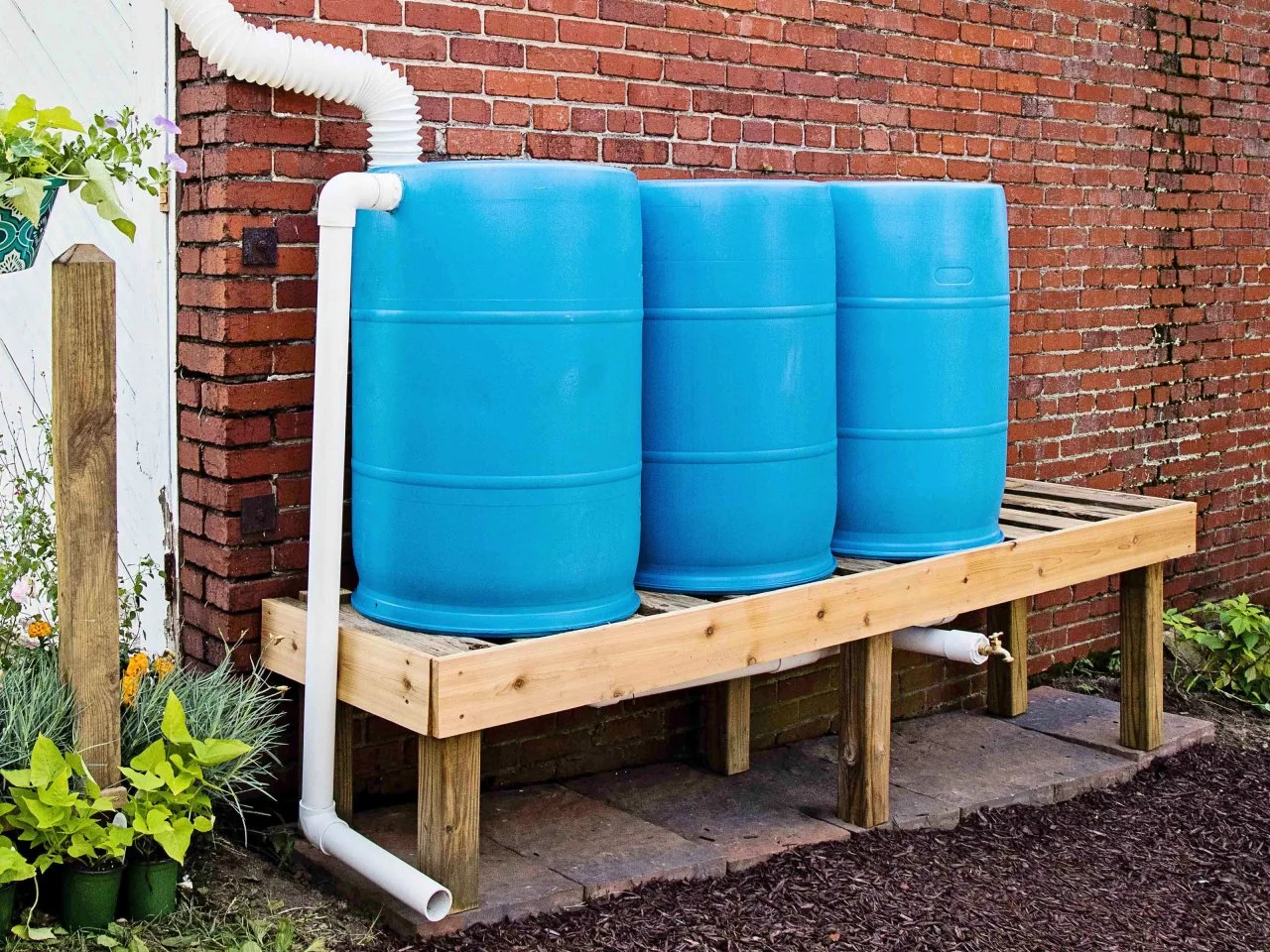
Rainwater Harvesting Barrels
If water conservation matters to you, a simple rain barrel setup can dramatically cut municipal water use.
Collected rainwater is ideal for roses and supports the drought-tolerant strengths of antique varieties while reducing stress on modern cultivars during heat waves.
High-Quality Bypass Pruning Shears
Clean, precise pruning reduces disease risk and minimizes plant stress.
Durable bypass pruners are a one-time investment that supports long-term plant health—especially important when maintaining heritage roses meant to last decades.
Peat-Free or Coco-Coir Based Potting Mixes
For gardeners growing modern rare roses in containers, peat-free or coco-coir mixes offer better sustainability credentials than traditional peat-based soils.
They provide good drainage, support root health, and reduce the environmental cost of soil sourcing.
Further Reading & Internal Links
- Black Roses vs Deep Red Roses
- Green Roses vs White Roses
- Repeat Flowering Roses series
- Eco-Friendly Materials for Constructing Greenhouses
If you’re working toward a more sustainable garden, you might also like resources on rainwater harvesting, organic rose fertilizers, and disease resistant rose cultivars.
I keep my tool lists and supplier guides updated with these in mind.
Blending Heritage With Innovation: My Take
When I think about really sustainable rose gardening, I use a mix of both antique unusual roses and carefully chosen modern rare roses.
Antiques bring long term resilience, great pollinator support, and require less work.
Modern rares are fun to experiment with in pots, greenhouses, or as limited edition features; just be ready for extra care.
Mixing both gets me the best of heritage and fresh thinking, all while supporting my own sustainability goals.
Here’s a little transparency: Our website contains Amazon affiliate links. This means if you click and make a purchase, we may receive a small commission. Don’t worry, there’s no extra cost to you. It’s a simple way you can support our mission to bring you quality content.”